Precision Backup Power & Low-Voltage Systems
Direct manufacturer supplies for tier-classified data hubs, heavy processing plants, and critical substations.
-
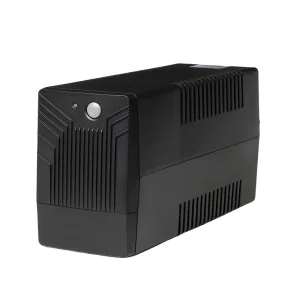
Wholesale MCEX/MCTA Series Standby UPS Power Supply Supplier, Manufacturers
-
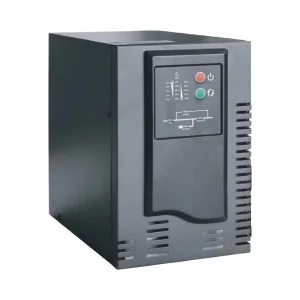
High-Quality MCHF Series High Frequency UPS Power Supply Manufacturer, Companies
-
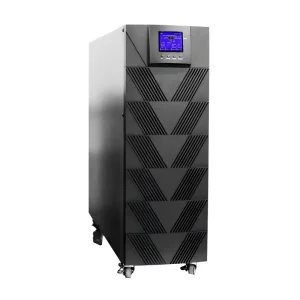
ODM MCL31 Series Low Frequency UPS Technical Supplier, Factories
-
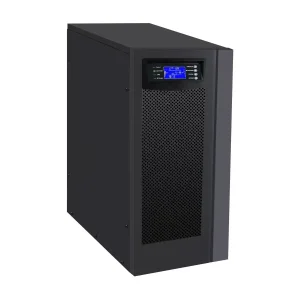
High-Quality MCL33 Series Industrial Frequency Online UPS Technical Manufacturer, Factories
-
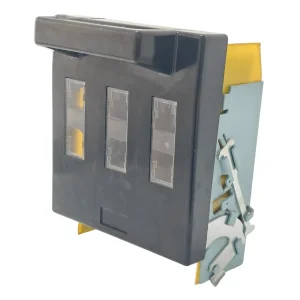
OEM HR5 Fused Disconnect Switch with Visible Contacts Supplier, Factory
-
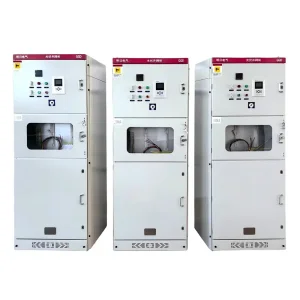
OEM GGD AC Low Voltage Distribution Cabinet for Industrial Power Factories, Factory
-
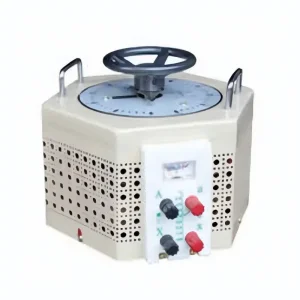
China TDGC2J Series Single Phase Variac Transformer Manufacturer, Factories
-
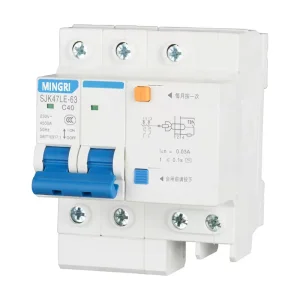
The Crucial Role of Modern UPS Systems in Industrial Transformation
In modern industrial facilities and modern computational platforms, voltage instability, micro-interruptions, and harmonics account for more than 78% of unbudgeted equipment degradation and unscheduled downtime. Selecting qualified UPS systems factories and companies is not solely a component procurement choice; it is an architectural decision underpinning enterprise resilience.
Contemporary factory infrastructures necessitate a balanced integration of both online double-conversion systems (VFI-SS-111 compliant) and rugged low-frequency isolation topologies capable of absorbing high inrush inductive loads, common-mode noise, and severe line transients.
- Complete Galvanic Isolation: Heavy-duty low-frequency architectures safeguard downstream industrial PLCs and robotics against catastrophic ground-loop potentials.
- Silicon Carbide (SiC) Efficiency: High-frequency designs delivering up to 96.5% real-mode efficiency with unity power factor (PF=1.0).
- Smart Microgrid Synchronization: Native BMS integration handling dynamic cycling alongside solar arrays, diesel generators, and dynamic load banks.
| Topological Metric | High Frequency (e.g., MCHF) | Low Frequency (e.g., MCL33) |
|---|---|---|
| Primary Switching Tech | IGBT / SiC MOSFETs | Phase-Controlled Thyristors + XFMR |
| Galvanic Isolation | Optional External | Built-In Heavy-Duty Copper Coil |
| Footprint & Power Density | High (>25 kW/m²) | Moderate (Rugged Enclosure) |
| Surge & Inrush Tolerance | Standard (150% for 60s) | Superior (>300% Inrush Absorbed) |
| Target Deployment | Data Rooms, Edge Nodes, IT | Refineries, Mining, Rail, Heavy Plants |
Localized Engineering Application Scenarios
How specialized UPS architectures preserve business continuity across distinct operating environments worldwide.
Hyperscale & Edge Data Centers
Rapid deployment of modular, high-frequency transformerless UPS units. Integrated with Lithium Iron Phosphate (LiFePO4) storage, achieving ultra-compact footprint, reduced cooling overhead, and zero transfer degradation.
Industrial Automation & Robotics
Demanding plants encounter massive inductive kicks and voltage drops. Industrial-frequency units provide robust surge buffering and physical isolation to keep PLCs, servomotors, and CNC machines humming without logic faults.
Healthcare & Life Support Units
Zero-tolerance environments requiring compliance with stringent IEC 60364-7-710 medical standards. Uncompromising standby power ensures non-stop diagnostic imaging, surgical suites, and intensive monitoring devices.
Transportation & Marine Infrastructure
Conformal-coated circuit boards, anti-vibration chassis, and high operating ambient ratings (up to 50°C) tailored for marine switchboards, railway signaling networks, and harsh offshore energy substations.
Why Tier-1 Chinese Factories Drive Global Competitiveness
Combining the electric capital ecosystem of Yueqing with automated precision engineering and vertically consolidated supply networks.
Vertical Cluster Synergies
Operating in key electrical manufacturing clusters provides instantaneous access to precision magnetics, core laminations, sheet metal fabrication, and semiconductor assembly, cutting NPI (New Product Introduction) cycles by over 50%.
Stringent Automated QA/QC
Modern factories run continuous automated burn-in testing, load-step analysis (0% to 100% to 0%), thermal camera hotspot inspection, and insulation resistance checks under full galvanic stress before product dispatch.
Agile OEM/ODM Modularization
Direct collaborative relationships allow overseas EPCs and brand owners to quickly specify custom input/output voltages (110V/208V/380V/415V), frequency adaptations (50/60 Hz), dry-contact monitoring, and tailor-made ingress protection.
Next-Generation UPS Innovations & Roadmap
The convergence of wide-bandgap semiconductors, AI predictive monitoring, and grid-interactive power buffering.
Wide-Bandgap (SiC & GaN)
Silicon Carbide components drastically reduce switching losses and thermal dissipation, empowering smaller magnetics, cooler runs, and sustained 98%+ efficiency across extended loading curves.
AI Predictive Health Maintenance
Integrated neural sensor arrays track ripple current degradation, electrolytic capacitor aging, and internal thermal shifts, predicting component failure up to 90 days before physical fault occurrence.
Grid-Interactive UPS (UPSaaS)
Transitioning from idle assets to revenue-generating mechanisms. Smart bidirectional power supplies now support Fast Frequency Response (FFR) to sell excess battery energy back during peak grid stress.
International Certifications & Regional Compliance Guarantees
Selecting the right UPS systems manufacturer requires rigorous verification of safety standards, electromagnetic compliance, and grid interconnect rules applicable across North America, Europe, Asia-Pacific, and the Middle East.
Key Harmonized Standards Met:
- IEC/EN 62040-1: General and safety requirements for electrical operating personnel in operator-accessible areas.
- IEC/EN 62040-2: Electromagnetic compatibility (EMC) emission and immunity criteria (Category C1 to C3).
- IEC/EN 62040-3: Method of specifying performance, dynamic transient response, and rigorous load-drop testing.
- UL 1778 / CE Marking: Complete electrical safety verifications for North American and European industrial installations.
Localized Technical Support
To bridge the distance between Chinese manufacturing hubs and global project locations, factory-backed service frameworks provide comprehensive operational guarantees:
Comprehensive FAT (Factory Acceptance Test): Live high-definition video-streamed testing covering rated step-loads, thermal saturation, and short-circuit protection behavior.
Critical Spares Provisioning: Pre-packaged maintenance kits comprising matched IGBT sets, logic boards, and bypass contactors shipped directly with main equipment.
24/7 Field Engineering Access: Multilingual engineering teams standing by for real-time remote telemetry diagnostics and commissioning guidance.
Complementary Distribution & Circuit Protection Systems
Complete your electrical switchroom topology with high-voltage and low-voltage protection units engineered in tandem with our UPS portfolio.
-
-
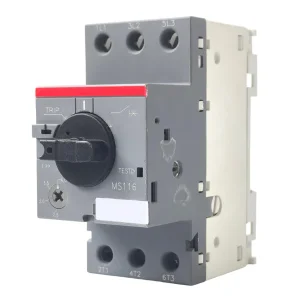
ODM MS116 Low Voltage Motor Protection Circuit Breaker Supplier, Companies
-
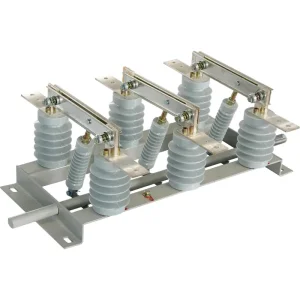
High-Quality GN19-12 Indoor High-Voltage Isolating Switch Factory, Companies
-
Wholesale MCEX/MCTA Series Standby UPS Power Supply Supplier, Manufacturers
-
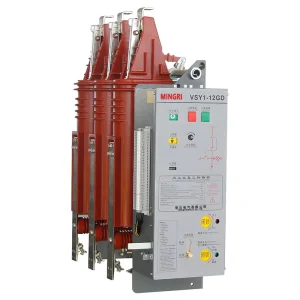
Wholesale VSY1-12GD Mounted Vacuum Circuit Current Breaker VCB Suppliers, Factories
-
-
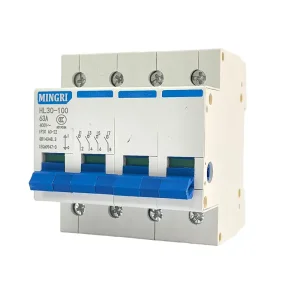
High-Quality High-Performance HL30-100 Miniature Disconnect Switch 1-4P 6-100A Suppliers, Supplier
-
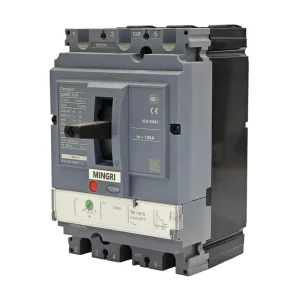
High-Quality SJKM5 Industrial MCCB Breaker for Short-Circuit Protection Manufacturers, Manufacturer
Frequently Asked Questions on Industrial UPS Systems
Expert answers addressing electrical topology selection, OEM integration, and lifetime operational continuity.