Featured OEM Medium & Low Voltage Equipment
Engineered to international IEC and IEEE benchmarks. Explore our high-performance transformers, intelligent contactors, and integrated medium-to-low voltage switchgear engineered for uninterrupted power stability.
-
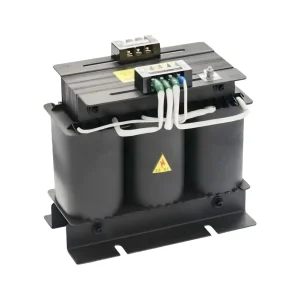
Wholesale JSG Series Three-phase Dry-type Transformer (Servo Transformer) Supplier, Manufacturers
-
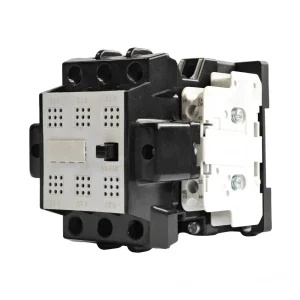
OEM CJX1 (3TB) Series AC Contactors 9-400A 380V AC-3 Factories, Company
-
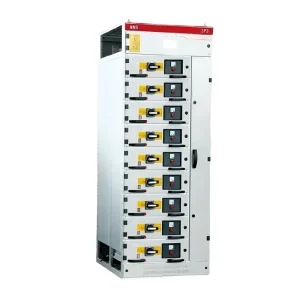
-
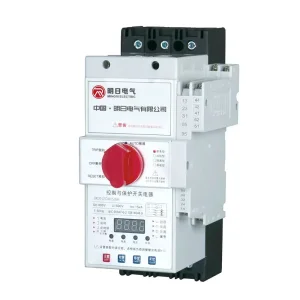
High-Quality SJKCPS Control and Protective Switching device Suppliers, Companies
-
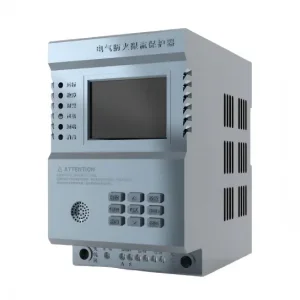
Wholesale Single phase current limiting protector 20-80A 220VAC Manufacturer, Company
-
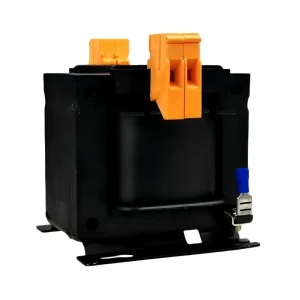
High-Quality JBK5 Series Machine Tool Control Transformer Factories, Companies
-
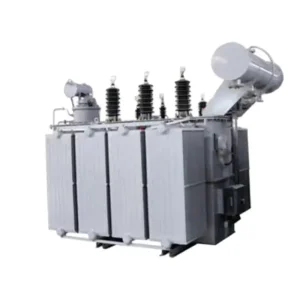
Wholesale S11 Type 35kV Series Distribution Transformer Factories, Factory
-
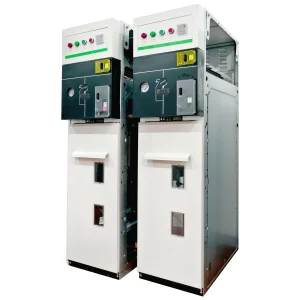
Technical Authority: The Evolution of Gas-Insulated Switchgear (GIS)
In modern high-density urban power grids, harsh coastal zones, and mission-critical renewable plants, conventional Air-Insulated Switchgear (AIS) frequently falls short due to environmental vulnerability and spatial limitations. Gas-Insulated Switchgear and Ring Main Units (RMU) solve these engineering bottlenecks through superior dielectric containment.
Dielectric Physics & Compactness
Sulfur hexafluoride (SF6) offers a dielectric strength approximately 2.5 to 3 times greater than atmospheric air at identical pressure, and up to 100 times better arc-quenching capability. This allows OEM manufacturers to reduce clearance distances significantly, achieving up to an 80% reduction in total footprint compared to conventional air-insulated installations.
- High thermal conductivity for accelerated arc-cooling
- Compact phase-to-phase and phase-to-ground spacing
- Stainless steel tanks robotic laser-welded to IP67 criteria
Environmental Immunity
All active medium-voltage components—including vacuum circuit breakers, disconnector switches, and busbar arrangements—are completely sealed within a hermetic enclosure. This guarantees full immunity against atmospheric contaminants, extreme ambient humidity, salt spray, flooding, chemical vapors, and high-altitude insulation degradation.
- Immune to coastal saline atmospheric corrosion
- Maintenance-free primary electrical circuit for 30+ years
- Zero operational degradation up to 3000m+ above sea level
Operational Safety & Arc Containment
Personnel safety is prioritized through rigorous Internal Arc Classification (IAC AFLR up to 20kA/1s or 25kA/1s). Dedicated pressure relief channels vent instantaneous arc fault expansion away from the front, lateral, and rear operating corridors, protecting maintenance personnel during live network switching operations.
- Comprehensive mechanical interlocks preventing maloperation
- Integrated capacitive voltage indication systems (VPIS)
- Earthing switches with rated short-circuit making capacity
Procurement Intelligence: Total Cost of Ownership (TCO) Framework
Global procurement teams evaluating primary and secondary switchgear must balance Initial Capital Expenditure (CAPEX) with long-term Operational Expenditure (OPEX). While GIS equipment commands a marginal equipment premium, its lifetime financial metrics consistently outperform AIS across demanding operating profiles.
| Evaluation Parameter | Air-Insulated Switchgear (AIS) | Gas-Insulated Switchgear (GIS) | Solid-Insulated Switchgear (SIS) |
|---|---|---|---|
| Civil Footprint & Land Cost | Baseline (100% area). Demands substantial indoor electrical room space or land acquisition. | Optimal (-70% to -85% area). Highly compact footprint allows major savings on civil excavation and construction. | Moderate (-50% to -65% area). Compact modular design, slightly larger than multi-functional gas tanks. |
| Routine Maintenance Overhead | High: Regular contact cleaning, busbar dusting, torque checks, and humidity control checks required every 1-2 years. | Near Zero: Primary tank is hermetically sealed for life. Only low-voltage mechanism lubricating required every 5-10 years. | Low: Sealed vacuum/epoxy poles, requires periodic dielectric surface inspections in moist environments. |
| Harsh Environment Resilience | Poor to Moderate: Rapidly oxidizes in coastal, chemical, or mining sites without dedicated HVAC systems. | Maximum (IP67): Completely impervious to saline fog, airborne dust, vermin intrusion, and partial submersion. | High: Epoxy resin shielding prevents gas leaks, but surface creepage can occur in severe condensation. |
| Eco & Regulatory Compliance | Zero direct greenhouse gas emissions. Requires no specialized recovery instrumentation. | Requires F-gas tracking and recovery protocols (SF6). OEM modern lines offer alternative eco-gas mixtures. | 100% SF6-Free. Fully compliant with stringent EU F-gas phase-outs without handling permits. |
| Overall 30-Year Lifecycle Cost | Higher: Ongoing maintenance, larger real estate lease, and potential outage penalties escalate lifetime TCO. | Lowest Lifecycle Cost: Extreme uptime, minimal maintenance, and low civil requirements offset initial purchase cost. | Competitive: Excellent TCO in regions imposing carbon levies or hazardous substance restrictions. |
Macro-Industry Solutions & Deployment Architectures
As an experienced OEM manufacturing partner, we customize medium-voltage gas-insulated architectures to satisfy strict grid interconnection codes, seismic parameters, and space constraints across diverse operating landscapes.
Urban Substations & Underground Vaults
Metropolitan power distributors face escalating commercial land costs and zoning constraints. Compact modular GIS units (such as RM6 and SafeRing topologies) fit into narrow basements, compact kiosk housing, and underground modular substations without compromising system safety or short-circuit withstand.
- Front-accessible cable terminations for reduced maintenance aisle space
- Plug-in separable outer-cone and inner-cone connector compatibility
- Hermetically isolated design prevents transformer room dust ignition
Renewable Step-Up (Wind & Solar PV)
Utility-scale photovoltaic fields and offshore wind turbines demand switchgear resilient to high temperature variations, solar radiation, and extreme salinity. Our specialized integrated kiosk and tower-base GIS solutions integrate seamlessly with step-up distribution transformers.
- Direct integration into prefabricated European & American box-type substations
- Rapid vacuum circuit breaker protection against downstream inverter faults
- SCADA-ready RTU communication via Modbus, DNP3, and IEC 61850
Heavy Industry, Mining & Marine Operations
Chemical processing plants, deep-shaft mining installations, and commercial shipping docks generate aggressive atmospheres laden with hydrogen sulfide, sulfur dioxide, and fine conductive dust. Gas insulation shields all live conductive contacts from catalytic arc degradation.
- High mechanical endurance rating (M2-class mechanisms exceeding 10,000 cycles)
- Heavy-duty motorized charging mechanisms for remote automation
- Resistant to seismic acceleration and vibration per IEEE 693 standards
Quality Engineering, International Standards & OEM Flexibility
Our Yueqing smart manufacturing campus operates fully certified quality and environmental management systems. Every piece of equipment leaving the factory is subjected to full-spectrum type testing and rigorous routine factory acceptance testing (FAT).
Strict Standard Compliance
All switchgear units and medium-voltage components are fully certified according to IEC 62271-200, IEC 62271-100, IEC 62271-102, and equivalent GB/IEEE parameters, ensuring compliance with global utility interconnection tenders.
Automated Laser Tank Welding
Tanks are manufactured using premium 3mm to 4mm 304/316 grade stainless steel. Multi-axis robotic laser welding ensures seam integrity, followed by automated vacuum helium mass spectrometry leak testing to guarantee leakage rates below 0.1% per year.
Customized OEM/ODM Schemes
We provide full structural and schematic tailoring: C-module (cable switch), F-module (switch-fuse combination), V-module (vacuum circuit breaker), M-module (metering), and D-module (direct busbar connection), with modular extendability on both busbar flanks.
Overseas EPC Field Support
Global customers receive multi-channel technical support: high-definition remote video-assisted FAT witnessing, bilingual engineering schematics, rapid CAD/BIM drawing turnover, and comprehensive on-site installation and commissioning manuals.
Technology Roadmap: Next-Gen Eco-Gas & Digital Substation Integration
As global environmental regulations tighten and grid automation shifts to edge intelligence, our engineering team is actively advancing zero-carbon dielectric alternatives and sensor-dense digital switchgear architectures.
SF6-Free Eco-Gas Transition
To align with European Union F-gas regulations and corporate Net-Zero carbon mandates, we offer advanced non-SF6 gas alternatives. By deploying technical dry air, synthetic air (N2/O2 mixes), and fluoronitrile-based gas mixtures (such as C4-FN mixtures), we provide solutions that lower Global Warming Potential (GWP) by over 99% while maintaining compact tank footprints.
Smart IoT Diagnostics & Telemetry
Modern GIS installations incorporate intelligent sensor arrays: ultra-high frequency (UHF) partial discharge sensors, non-intrusive infrared contact temperature detectors, and digital SF6 gas density transducers with temperature compensation. Data is processed locally by intelligent electronic devices (IEDs) to enable predictive maintenance.
Native IEC 61850 Process Bus
Transition from bulky copper hardwiring to high-speed optical fiber communications. Our digital medium-voltage switchgear integrates Rogowski coil current sensors and low-power capacitive divider voltage sensors (LPITs) interfacing directly with Merging Units to provide Goose and SV messaging directly to network SCADA centers.
Frequently Asked Questions (Technical & Procurement FAQ)
Key technical considerations addressed by our senior switchgear application engineering team.
Q1: How does Gas-Insulated Switchgear handle internal arc faults compared to AIS?
In Gas-Insulated Switchgear, internal arc energy is tightly confined within heavy-gauge stainless steel gas tanks. Should an internal arc fault occur, the resulting pressure wave is directed into dedicated pressure relief ducts equipped with calibrated burst discs. These blow-out flaps channel hot gases downwards or towards the switchgear rear, preventing hazardous blowouts towards operating staff in accordance with IEC 62271-200 IAC AFLR classifications.
Q2: What are the fundamental differences between solid-insulated (SIS) and gas-insulated (GIS) RMUs?
Gas-Insulated Switchgear utilizes SF6 or eco-gas pressurized within a welded metal enclosure to insulate bare busbars and switching contacts. Solid-Insulated Switchgear (SIS, such as GXGN-12) encases each phase conductor, vacuum bottle, and disconnector switch in solid epoxy resin or silicone shielding. SIS eliminates pressurized gas handling entirely, making it ideal for subzero environments where gas liquefaction could occur, while GIS provides higher dielectric tolerance at 24kV and 40.5kV levels.
Q3: Can modular GIS switchgear panels be extended after field installation?
Yes. Our modular Gas-Insulated Ring Main Units offer both compact non-extensible configurations and side-extensible modular designs. Extensible units utilize screened silicone rubber busbar connectors with internal stress cones. This allows EPC contractors to expand substations by coupling additional circuit breaker or load-break switch panels directly on-site without opening or de-gassing the existing sealed tanks.
Q4: What routine quality inspections are performed prior to dispatch?
Every switchgear unit undergoes comprehensive routine factory testing under ISO 9001 quality controls. This includes: power frequency withstand voltage testing on the main circuit and auxiliary circuits, contact resistance measurement (micro-ohm testing), mechanical endurance operational timing tests, high-precision vacuum helium leakage rate testing on tanks, and functional verification of all interlocking and protection relays.
Comprehensive Power Equipment Portfolio
Complete your electrical grid infrastructure with our high-voltage transformers, withdrawable metal-enclosed gear, automatic transfer switches, and solid-insulated secondary distribution equipment.
-
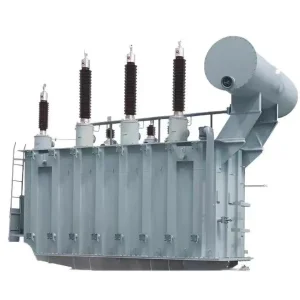
Wholesale 110kV Series Power Transformer with On-Load Tap Changer Suppliers, Factory
-
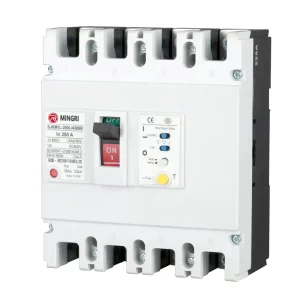
China SJKM1L Earth Leakage Circuit Breaker ELCB for Industrial Safety Factory, Companies
-
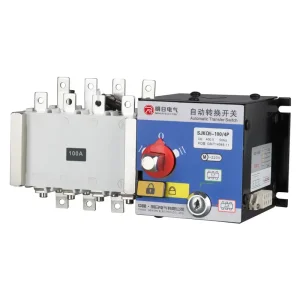
Wholesale SJKQ5 ATS Dual Power Automatic Transfer Switch Supplier, Manufacturers
-
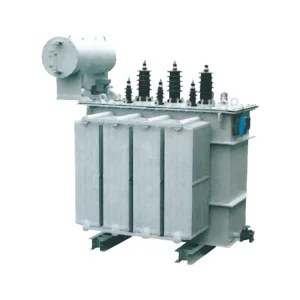
China S11 Type 35kV/6-10kV Series Power Transformer Factories, Company
-
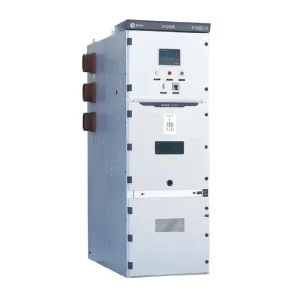
-
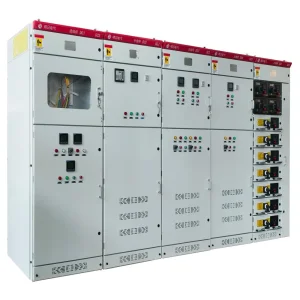
High-Quality GCS Low Voltage Withdrawable Switchgear Panel for Power Distribution Factories, Company
-
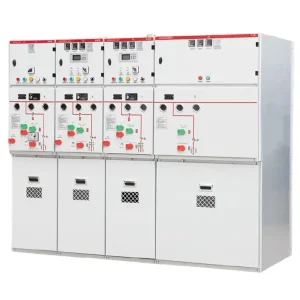
ODM GXGN-12 Solid-Insulated Fully Enclosed Ring Main Unit Switchgear Manufacturers, Company
-
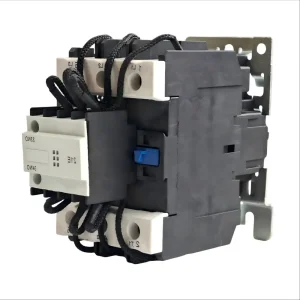
China CJ19 Series Capacitor Switching Contactors 380V 50/60Hz Suppliers, Supplier