Primary Power Distribution & Control Solutions
Industrial-grade motor control units, high-voltage PV DC interruption, high-capacity on-load tap changing transformers, and outdoor distribution hardware.
Global Commercial & Industrial Transmission Landscape
Analyzing structural shifts across modern electrical architecture: renewable intermittency, massive data center electrification, and critical infrastructure renewal.
Grid Decarbonization Pressures
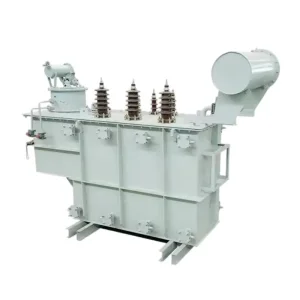
Decentralized wind and solar arrays place severe harmonic distortions and erratic dynamic loads on legacy electrical infrastructure. Modern substation transformers must tolerate variable inputs while maintaining pristine voltage profiles via on-load tap changers (OLTC) such as the SZ11 and SFZ11 series, preventing harmonic overheating and dielectric degradation.
Hyperscale Computing & Mission-Critical Loads
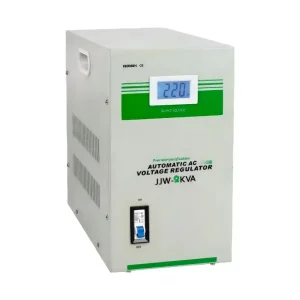
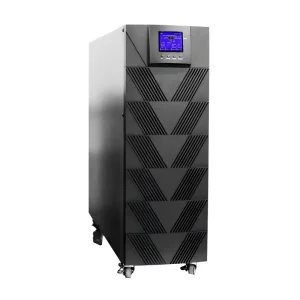
The explosive compute appetite of AI clusters demands relentless power quality. Voltage sags of even a few cycles can trigger cascaded downtime in compute server farms. Implementing precision JJW series voltage stabilizers alongside low-frequency industrial UPS topologies creates unshakeable operational continuity at low-voltage distribution nodes.
F-Gas Phaseout & Eco-Switchgear Transition
Regulatory frameworks across North America and the European Union mandate sharp curbs on SF6 greenhouse gases. Substation engineering is progressively transitioning toward solid-insulated switchgear, clean-air RMUs, and compact oil-immersed distribution systems built with environmentally compliant, biodegradable synthetic esters.
Tailored Engineering for Local Operating Contexts
Deployment topologies designed for challenging physical environments, strict electrical clearances, and regional grid operating codes.
Utility-Scale Photovoltaic Parks (1500V DC)
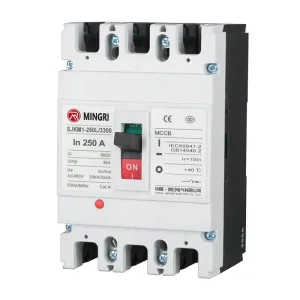
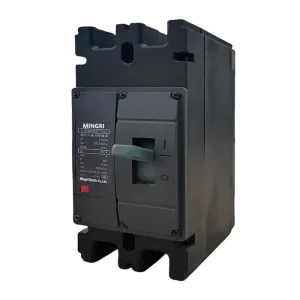
Modern balance-of-system architectures mandate resilient 1500V DC rated molded case circuit breakers (SJKM5DC) positioned directly adjacent to solar combiner boxes and central string inverters, pairing seamlessly with step-up oil transformers designed for continuous full thermal loading under elevated ambient desert temperatures.
- Extended creepage distances prevent arc flashovers
- Thermal-magnetic trip settings calibrated for desert climates
- Galvanized enclosures resistive to sandstorm abrasion
Heavy Petrochemical & Mining Plants
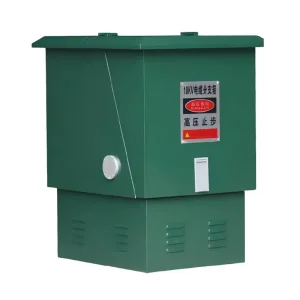
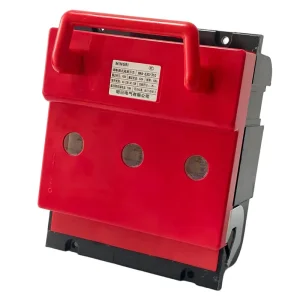
Harsh atmospheres saturated with corrosive sulfur, ambient moisture, and conductive coal/metal dust require sealed cable termination solutions such as DFW branch boxes alongside heavy-duty HR6 knife switches, isolating vital motors and heavy machinery from catastrophic short-circuit thermal stresses.
- Hermetically sealed gas/air chambers (IP54 to IP67)
- Class-rated fire-resistant wiring conduits
- High interrupting capacity up to 630A for fused isolation
Densely Populated Commercial Hubs
Urban real estate demands minimal footprint substation footprints. Compact prefabricated European-style secondary substations (YB series) house step-down transformers, MV ring main units, and low-voltage distribution boards in an architecturally landscaped, acoustically insulated enclosure suitable for public environments.
- Acoustic insulation keeping operation below 45 dB
- Internal arc-classified (IAC) compartment separation
- Aerosol automated fire suppression integration ready
Supply Chain Resilience & Yueqing Manufacturing Ecosystem
Harnessing world-class component density, vertical manufacturing integration, and automated precision fabrication for dependable international delivery timelines.
The Yueqing Industrial Cluster Advantage
Situated in the capital of China's electrical apparatus industry, our production lines access raw materials, cold-rolled grain-oriented silicon steel cores, copper windings, silver alloy contacts, and tooling dies within a 30-kilometer logistics radius, reducing production procurement lead times by over 45% compared to Western counterparts.
End-to-End Precision Quality Rigor
Every batch of raw magnetic laminations undergoes loss testing, and vacuum pressure impregnation (VPI) of coils is executed under automated computer parameter tracking. In-house impulse voltage testing, partial discharge (PD) diagnostics, and full temperature rise validation verify that equipment meets IEC 60076 and IEC 62271 tolerances prior to dispatch.
Agile OEM & ODM Custom Engineering
Equipped with flexible laser punching cells, robotic bending systems, and automated powder-coating installations, our facilities readily customize busbar geometries, switchboard configurations, auxiliary breaker contacts, and enclosures to meet non-standard client Single-Line Diagrams (SLD) and tender constraints.
Next-Gen Technology Roadmap & Digital Integration
Bridging traditional electro-mechanical switchboards with edge-computed real-time diagnostics, smart grid protocols, and automated fire containment.
IoT-Enabled Substation Telemetry
Modern substations incorporate embedded fiber-optic temperature sensors, high-frequency CT partial discharge sensors, and automated gas pressure transducers. Utilizing protocols like IEC 61850 and Modbus-TCP, smart units report operational health directly to central SCADA systems, preventing out-of-service failures.
Integrated Autonomous Fire Extinguishing
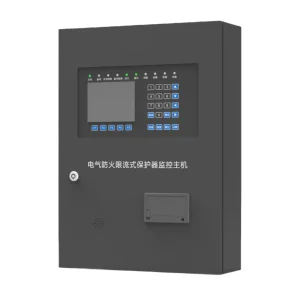
Switchgear reliability is reinforced by self-triggering micro-encapsulated hot aerosol fire systems. Placed strategically inside cable termination compartments and transformer cubicles, these systems suppress nascent thermal runaway events within milliseconds without damaging surrounding sensitive electronics.
High-Frequency Switching & Hybrid Transformers
Research pathways focus on solid-state and hybrid electronic power transformers (SST). Pairing high-efficiency power semiconductors with high-frequency magnetic cores produces step-up and step-down configurations that achieve higher volumetric power density and bi-directional flow control for grid energy storage setups.
Localization Support, Compliance & EPC Assurance
Meeting national regulatory barriers and providing turnkey support for international engineering contractors, project developers, and municipal utilities.
International Code Conformity
Equipment designs align strictly with international consensus benchmarks including IEC 62271-200 (MV Switchgear), IEC 60076 (Power Transformers), IEC 60947 (Low-voltage Switchgear and Controlgear), and relevant IEEE/ANSI standards for dielectric clearances, short-circuit withstand capabilities, and seismic endurance ratings.
Factory Acceptance Tests (FAT) & Auditing
We welcome third-party international inspection agencies (such as SGS, Bureau Veritas, or TÜV) and client EPC engineering delegations to witness standard FAT protocols. Real-time high-definition video streaming audits are also supported, providing comprehensive electrical test logs and material certifications before packing.
Lifecycle Commissioning & Spares Stocking
From initial uncrating and site installation guidelines to secondary protection relay configuration, overseas engineering teams receive remote guidance and complete lifecycle spares support. Critical wear parts, including auxiliary switches, arc chutes, shunt releases, and operating handles, are stocked for rapid international air dispatch.
Frequently Asked Technical Questions (FAQ)
In-depth engineering answers covering substation selection, transformer performance factors, and procurement logistics.
What is the core operational difference between European-type and American-type compact substations?
European prefabricated substations (e.g., YB series) feature distinct, physically separated compartments for high-voltage switchgear, the distribution transformer, and the low-voltage distribution board. This modular layout permits internal inspection aisles and flexible equipment substitutions. American-type combined substations (e.g., ZGS series) integrate the transformer core and coils directly within the same oil tank that houses the load break switch and MV fuses, resulting in a significantly smaller physical footprint, reduced weight, and lower unit cost, making them particularly well-suited for distributed solar generation and residential neighborhoods.
How do on-load tap changers (SZ11/SFZ11) improve industrial facility stability?
On-load tap changing (OLTC) transformers dynamically adjust the secondary turns ratio without interrupting line current, compensating for incoming grid voltage sags or surges driven by intermittent renewable generation and heavy cyclic industrial loads. By maintaining output voltage within tightly regulated limits (typically ±1.25% steps), sensitive manufacturing automation, variable frequency drives, and precision robotics operate free from under-voltage trips and motor coil overheating.
Why are 1500V DC molded case circuit breakers (MCCB) necessary for modern solar plants?
Higher DC operating voltages (1500V vs. 1000V) reduce balance-of-system cabling losses and permit longer string configurations across large utility arrays. However, direct currents lack natural zero-crossing points, rendering electric arcs exceedingly difficult to extinguish. Specialized DC circuit breakers, such as the SJKM5DC, utilize specialized arc-extinction chutes and magnetic blow-out coils to quickly elongate and dissipate the DC arc safely, protecting critical arrays from sustained fault currents.
What technical data is required to generate a complete substation quote?
To produce an exact bill of materials and structural quotation, engineering teams must supply: the verified Single-Line Diagram (SLD); rated primary and secondary voltages along with grid frequency (50Hz or 60Hz); rated kVA or MVA capacity; required short-circuit breaking rating (kA); ambient site conditions (altitude, ambient temperature swing, humidity, seismic zone); enclosure ingress protection (IP level); and any specific manufacturer preferences for auxiliary meters and protective relays.
Secondary Power Protection, Control & Substation Auxiliaries
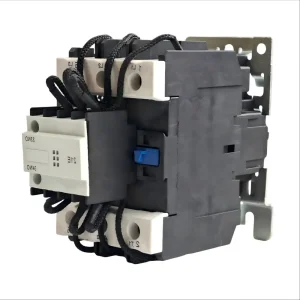
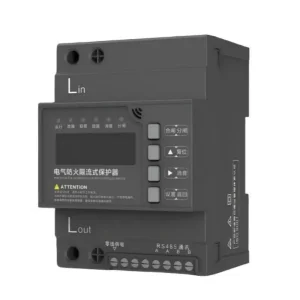
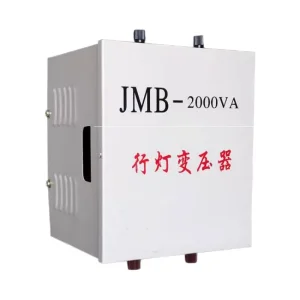
Engineered current-limiting units, power factor capacitors, residual current devices, and specialized industrial control transformers.