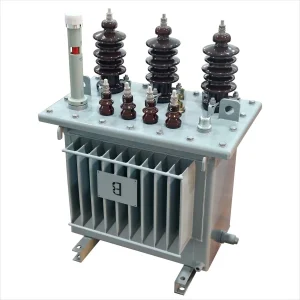
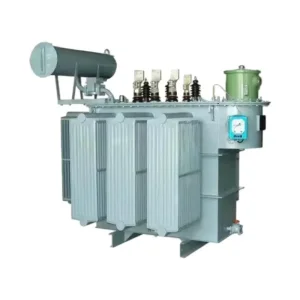
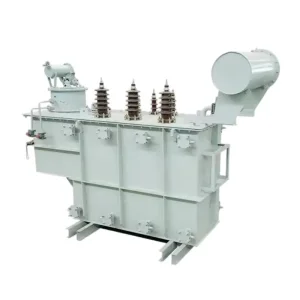
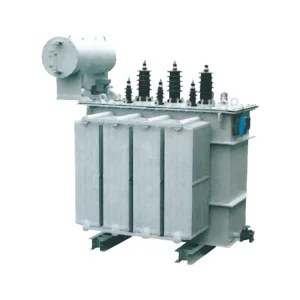
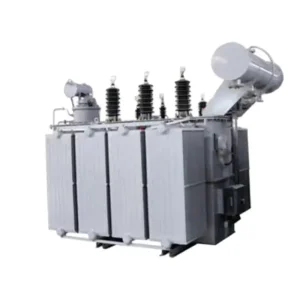
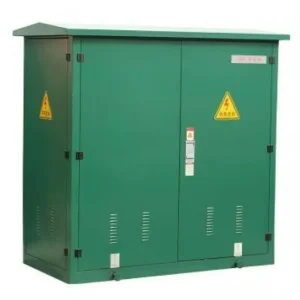
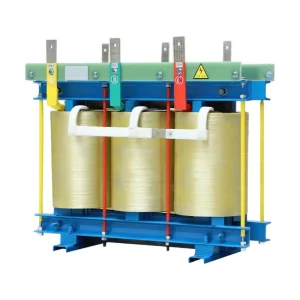
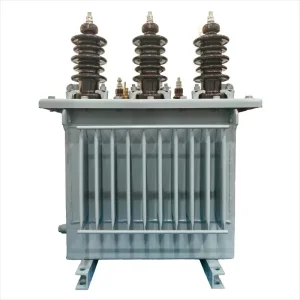
ODM S11-M Series Hermetically Sealed Distribution Transformer (Saudi Utility Grade)
- Rated Capacity: 30 kVA to 2500 kVA
- No-Load Loss Reduced by 30%
- Hermetic Corrugated Fin Tank
Pre-configured for local utility distribution, commercial complexes, and extreme thermal conditions across Riyadh, Jeddah, Dammam, and NEOM.
Under the ambitious umbrella of Saudi Vision 2030, the Kingdom of Saudi Arabia (KSA) is undergoing one of the most capital-intensive electrical infrastructure overhauls in modern history. Managed under the rigorous regulatory gaze of the Saudi Standards, Metrology and Quality Organization (SASO) and the Saudi Electricity Company (SEC) specifications (notably SEC 53-SDMS-01 and related transmission mandates), grid operators demand equipment that operates flawlessly under aggressive thermodynamic stressors.
Ambient summer temperatures routinely breach 50°C to 55°C, with solar radiation levels reaching up to 1,100 W/m² in non-shaded outdoor installations across the Rub' al Khali and coastal Arabian Gulf zones. These conditions force traditional international transformers into extreme thermal derating. Procuring power transformers for Saudi projects requires deep engineering compliance: heavy-gauge hot-dip galvanized tanks, high-temperature top-oil rise limits derated to 45K/50K (instead of standard 60K/65K), Class C5-M high-salinity corrosion coatings, and dust-proof IP55/IP65 marshaling boxes to resist relentless fine desert silts.
In Saudi Arabia, all outdoor power equipment must account for a reference maximum ambient temperature of 55°C and an average daily peak of 40°C. Transformer winding temperature rise must not exceed 50°C for Class A insulation, preventing accelerated thermal degradation of Kraft paper dielectric systems.
The Saudi Power Procurement Company (SPPC) continues to tender gigawatt-scale solar PV and wind initiatives across the Sudair, Shuaibah, Sakaka, and Al Henakiyah regions. These projects demand specialized solar inverter step-up transformers (ZGS combined series) capable of mitigating destructive harmonic spectrums (THD), volatile inverter switching spikes, and severe diurnal temperature oscillations.
Concurrently, giga-developments including NEOM (The Line, Oxagon), the Red Sea Project, and extensive water transmission complexes steered by the Saline Water Conversion Corporation (SWCC) require hermetically sealed distribution substations and on-load tap changing (OLTC) power units that guarantee uninterrupted continuous duty.
Why leading Middle Eastern EPC contractors and global utilities are circumventing traditional Western procurement pipelines in favor of advanced Chinese high-capacity production facilities.
In North America and Western Europe, power transformer lead times have expanded from an historical average of 35-45 weeks to an unprecedented 80-140 weeks for substation-class equipment. This paralysis is driven by acute structural shortages of Cold-Rolled Grain-Oriented (CRGO) electrical steel, porcelain and RIP bushings, and specialized winding labor.
Global decarbonization targets have saturated equipment queues. The explosive surge in utility-scale solar PV, onshore wind farms, and hyper-scale artificial intelligence data centers has placed enormous demand on transformer manufacturers, triggering speculative order hoarding and aggressive price escalation across multinational tier-1 brands.
China’s vertically consolidated electrical manufacturing supply chains offer a decisive strategic alternative. With immediate indigenous access to premier domestic CRGO silicon steel (Baosteel, Shougang), high-purity oxygen-free copper rods, and robotic tank fabrication, our factories compress lead times down to 6 to 14 weeks without compromising IEC or IEEE compliance.
A look inside our Yueqing manufacturing clusters: robotic slitting, computerized core stacking, vacuum pressure impregnation, and full-spectrum automated electrical testing.
Our distribution and medium-voltage power transformers utilize high-permeability, laser-scribed, domain-refined cold-rolled grain-oriented (CRGO) silicon steel sheets (0.23mm to 0.27mm gauge). Using CNC automated 45-degree full-oblique step-lap miter-cutting machines, we eliminate core air gaps and burrs (<0.02mm), directly slashing no-load magnetic losses by up to 35% and cutting acoustic noise emission to well below SEC and NEMA maximum permissible limits.
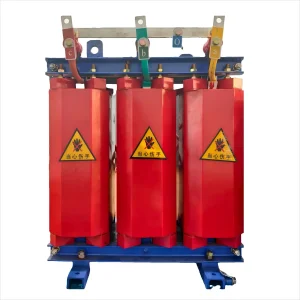
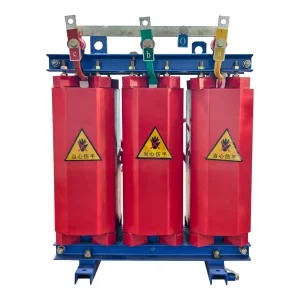
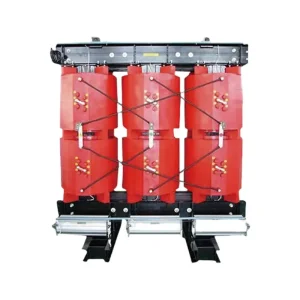
For dry-type cast resin series (SCB10, SCB11, SCB13), winding coils are cast within high-vacuum German Hedrich automated resin-casting chambers. Using high-grade European or domestic epoxy resin formulated with fine silica powder fillers, the coils exhibit superior thermal conductivity, flame-retardant self-extinguishing characteristics, and exceptional partial discharge performance (consistently < 5 picocoulombs at 1.3 times rated operating voltage).
For oil-immersed systems (S11, S13, SZ11), corrugated oil tanks undergo automated seam-welding, shot-blasting to SA2.5 purity, and multi-stage electrophoretic primer plus polyurethane top-coating. This process produces a tough, UV-resistant barrier designed to resist desert sand abrasion and coastal salt-spray erosion along the Red Sea and Arabian Gulf.
Targeted solutions developed for specific operational environments encountered by EPC contractors and electrical plant operators in Saudi Arabia.
Integrated inverter step-up transformers (such as our ZGS11 series) engineered for SPPC solar parks. Equipped with electrostatic shielding between primary and secondary windings to isolate severe IGBT switching harmonics, dual-split LV windings, and ester fluid options.
Indoor dry-type transformers (SCB10/11/13) deployed in high-density developments across Riyadh, Jeddah, and the King Abdullah Financial District (KAFD). Zero risk of fire or environmental leakage, with low acoustic profiles designed for basements and rooftop mechanical floors.
Heavy industrial installations in Jubail and Yanbu Industrial Cities. Built to comply with strict industrial requirements, including nitrogen-blanketed tanks, gas-actuated Buchholz relays, magnetic oil gauges, and C5-M marine epoxy paint systems resistant to hydrogen sulfide exposure.
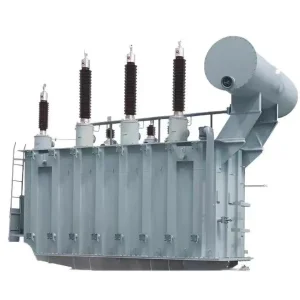
High-capacity 35kV to 110kV step-down transformers powering massive high-pressure pumps in reverse osmosis (SWCC) plants along the Red Sea coast. Outfitted with stainless-steel hardware, heavy-duty conservator tanks, and IP66 marshaling enclosures.
A granular engineering comparison showing how optimized core geometries and precision winding techniques reduce 30-year lifecycle operational costs under SEC loss evaluation formulas.
| Transformer Architecture | Insulation / Cooling | Voltage Classes | Efficiency Benchmark | Saudi Environmental Fit | Typical Procurement Application |
|---|---|---|---|---|---|
| S11-M Series | Mineral Oil / ONAN | 10 kV, 11 kV, 13.8 kV, 22 kV | Standard High Efficiency | Hermetically sealed; 50°C ambient | SEC Residential & Rural Distribution |
| S13-M Series | Mineral Oil / ONAN | 11 kV, 13.8 kV, 33 kV, 35 kV | Ultra-Low No-Load (30% cut) | Corrugated tank, high thermal margin | Utility Distribution & Commercial Substation |
| SC(B)10/11/13 Dry Type | Epoxy Resin / AN/AF | 10 kV, 11 kV, 13.8 kV, 15 kV | F-Class / H-Class (Nomex) | Indoor only, zero fire hazard, IP23 | Hospitals, Airports, Data Centers, Malls |
| SZ11 OLTC Series | Oil Immersed / ONAN / ONAF | 10 kV, 33 kV, 35 kV, 110 kV | On-Load Voltage Regulation | Conservator with silica gel breathers | Industrial Feeders with Fluctuating Loads |
| ZGS Combined Substation | Oil Immersed / Compartmental | 13.8 kV, 33 kV, 34.5 kV | Integrated Pad-Mount / Compact | Heavy anti-sand & anti-theft enclosure | Utility Solar Parks & Remote Pumping |
In high-tariff utility environments like Saudi Arabia, calculating the true procurement value requires applying the standard SEC loss capitalization equation: TCO = Purchase Price + (A × No-Load Loss P0) + (B × Load Loss Pk), where 'A' represents the capitalized cost per kilowatt of continuous core iron losses over a 25-30 year lifespan, and 'B' evaluates winding copper losses under operational load profiles. By using domain-refined Japanese and Chinese prime silicon steel, our units demonstrate lower capitalized loss evaluations, frequently saving EPC contractors hundreds of thousands of dollars over the asset lifecycle.
How digital integration, eco-friendly dielectric fluids, and condition monitoring are reshaping substation assets for smart grid readiness.
With fire safety points exceeding 300°C (K-class fluids), ester oils like FR3 are replacing conventional mineral oils in environmentally sensitive developments such as NEOM and coastal desalination perimeters. Esters offer high moisture tolerance, prevent thermal paper degradation, and are 100% biodegradable.
Modern smart grid substations mandate continuous Dissolved Gas Analysis (DGA) monitoring hydrogen, acetylene, and moisture in oil. Our smart transformer line features Modbus RS485 and IEC 61850 fiber-optic connectivity for real-time asset health analytics and predictive maintenance warnings directly to SCADA systems.
For ultra-efficient rural and desert distribution corridors, our amorphous alloy core designs reduce no-load standing losses by an impressive 70% to 80% compared to traditional silicon steel, drastically minimizing waste heat dissipation in high-ambient environments.
Complete medium and high-voltage transmission, on-load regulation, and prefabricated solutions engineered to client single-line diagrams.
Key technical answers for consultants, EPC project managers, and utility engineers sourcing electrical equipment for Saudi Arabia and the GCC.
Standard IEC 60076 assumes a maximum ambient temperature of 40°C with an average daily peak of 30°C. For SEC installations where ambient temperatures reach 55°C, winding temperature rise must be engineered down from the typical 65K to 45K or 50K. We achieve this by widening oil cooling ducts, enlarging the radiator cooling surface area, employing lower current densities in the copper windings, and utilizing high-temperature insulation materials (such as DuPont Nomex or upgraded thermal Kraft paper).
Yes. While the standard SEC public utility grid operates strictly at 60 Hz (with historical 13.8kV and 33kV distribution voltages), industrial facilities, marine projects, and oil & gas offshore complexes occasionally require 50 Hz or dual-rated 50/60 Hz units. Our magnetic cores and winding configurations are customized to prevent core saturation and higher eddy-current losses under variable operating frequencies.
All outdoor oil tanks and enclosures undergo grit-blasting to ISO 8501-1 SA 2.5 cleanliness, followed by a high-durability epoxy-zinc phosphate primer, an intermediate epoxy micaceous iron oxide barrier coat, and an aliphatic polyurethane finish coat conforming to ISO 12944 C5-M (Marine) or CX categories. Total dry film thickness (DFT) exceeds 240–320 microns, offering decades of protection against coastal salt spray, high humidity, and abrasive sandstorms.
We supply complete Type Test Certificates issued by internationally recognized ILAC-accredited high-power testing laboratories (such as KEMA, CESI, or accredited national labs). Shipments include Certificate of Conformity (CoC) documents, SASO registration files, SABER platform integration data, routine factory test certificates, and full chemical/mechanical mill sheets for copper and electrical steel.
Standard distribution transformers (up to 2,500 kVA) are manufactured within 4 to 6 weeks. Substation-class power units (10 MVA to 63 MVA) typically require 8 to 14 weeks. Ocean freight from Shanghai or Ningbo ports to Jeddah Islamic Port or King Abdulaziz Port in Dammam takes approximately 18 to 24 days, drastically outperforming European and American delivery schedules.
Yes. We welcome client representatives and third-party inspection agencies (such as Bureau Veritas, SGS, TÜV, or DNV) at our Yueqing production testing center. For expedited delivery schedules, we also provide live high-definition remote video FAT sessions with calibrated digital test bench readings, real-time power analyzer displays, and instant digital certificate sign-off.