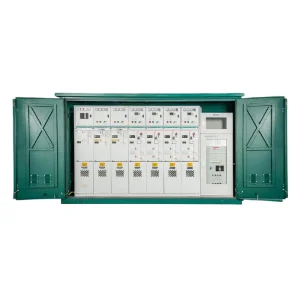
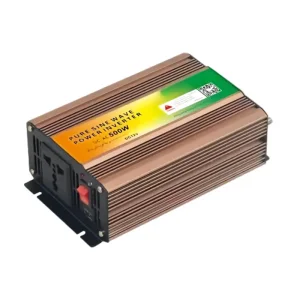
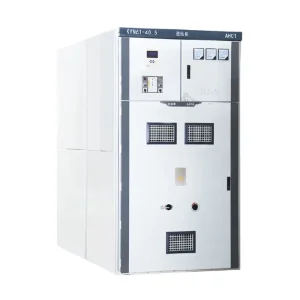
Featured Step-Up Substation & Switching Assemblies
Explore our precision-manufactured MV/HV step-up switchgear, smart inverters, and automated transfer matrices built for heavy-duty operational resilience.
Global Macro Trends in Medium-to-High Voltage Step-Up Engineering
Modern utility architectures demand transformation at the generation node. Discover how integrated step-up infrastructures mitigate transmission attenuation across massive utility-scale deployments.
High-Voltage Renewable Evacuation
As multi-megawatt photovoltaic farms and distributed wind networks scale toward gigawatt capacities, stepping voltage from LV generation arrays (0.4–0.69 kV) directly up to MV levels (12 kV, 24 kV, 40.5 kV) is required to reduce $I^2R$ copper losses. Integrated step-up platforms guarantee lower thermal stress and maximal energy yield.
Environmental Solid & Gas Insulation
Stringent global decarbonization regulations (such as the EU F-gas reduction mandates) accelerate the industry transition toward solid-insulated switchgear (SIS) and eco-friendly gas alternatives. Modern OEM manufacturers engineer SF6-free or low-GWP compact assemblies that perform reliably without regulatory liabilities.
Substation Digital Twins & Edge Telemetry
Step-up substations are no longer passive iron cores. The deployment of smart micro-RTUs, integrated partial discharge (PD) laser sensing, optical thermal monitoring, and IEC 61850 protocol compliance enables true real-time predictive analytics and seamless tie-ins to centralized utility SCADA controls.
B2B Sourcing Demands of Global EPCs, Utilities, and Distributors
Large-scale commercial deployments require robust manufacturing partnerships that blend scalable automated capacity with deep customization and turnkey delivery guarantees.
Flexible OEM/ODM Scalability
Enterprise procurement teams require direct access to manufacturing plants that offer custom circuit topologies, busbar silver-plating thickness guarantees, enclosure paint specifications (C5-M marine anti-corrosion), and modular dimensions engineered to match tight footprint constraints in compact urban substations.
Rigorous Type Testing & Traceability
Reliability is non-negotiable. Tier-1 buyers demand third-party type test certifications according to IEC 62271-200, IEC 60076, and IEEE C37 standards. Complete metallurgical traceability of copper windings and automated vacuum interrupter leak rate evaluations ensure trouble-free multi-decade lifecycles.
Optimized Total Cost of Ownership (TCO)
By centralizing high-voltage switchgear, vacuum breakers, protective current limiters, and intelligent step-up power transformers within a single factory ecosystem, wholesale procurement minimizes logistics friction, prevents cross-vendor interface mismatches, and lowers lifecycle CAPEX by up to 28%.
Medium-to-High Voltage Step-Up Platform Parameters
Review our core electrical and structural specifications configured to withstand extreme duty cycles in harsh grid environments.
| Parameter Classification | 12 kV Compact Platforms | 24 kV Industrial Distributions | 40.5 kV Step-Up Power Stations |
|---|---|---|---|
| Rated Insulation Level (Lightning Impulse) | 75 kV (Peak) | 125 kV (Peak) | 185 - 200 kV (Peak) |
| Rated Short-Time Withstand Current (4s) | Up to 31.5 kA | Up to 25 kA | Up to 31.5 kA |
| Internal Arc Classification (IAC) | A-FLR 20kA 1s | A-FLR 25kA 1s | A-FLR 31.5kA 1s |
| Enclosure Protection Index | IP4X (Indoor) / IP54 (Outdoor) | IP4X / IP54 Custom Enclosure | IP55 Weatherproof Prefabricated |
| Applicable Core Design Standards | IEC 62271-200 / GB 3906 | IEC 62271-100 / DL/T 404 | IEC 60076 / IEEE C37.20.2 |
Enterprise Field Solutions Across Key Macro Verticals
Mingri Electric delivers integrated step-up electrical architectures engineered specifically for challenging environmental, thermal, and regulatory environments.
Renewable PV & BESS Step-Up Stations
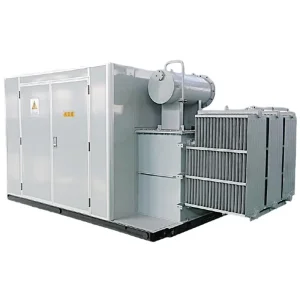
Deploying integrated solutions like the ZGS11-Z.T American/European style step-up pad-mount transformer systems allows solar farms to cluster multi-string inverters directly into step-up transformers, feeding 35kV/40.5kV collection lines with internal vacuum breakers and disconnect safety circuits.
Mission-Critical AI Data Centers
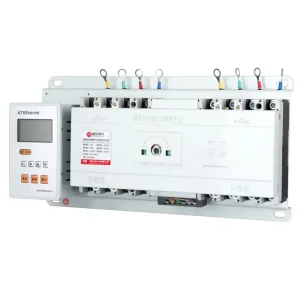
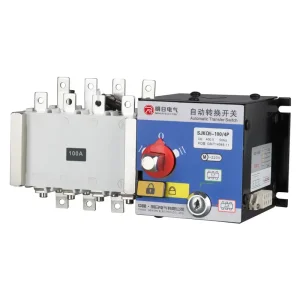
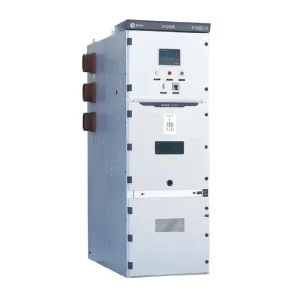
High-density data infrastructure requires uninterrupted dual-power feeds. By pairing SJKQ5 and SJKQ2Z automated transfer switches with KYN28-24 armored switchgear, our architectures guarantee sub-cycle line switching, microsecond load balancing, and fault protection against catastrophic grid drops.
Heavy Manufacturing & Mining Grids
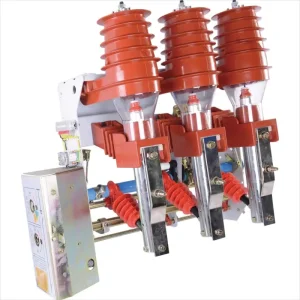
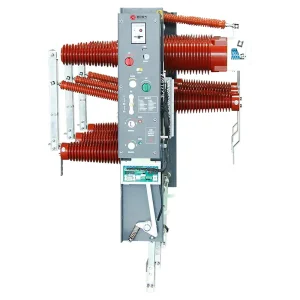
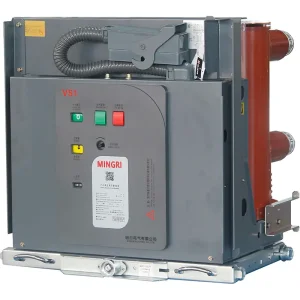
Heavy induction motors, arc furnaces, and extraction sites require high inrush tolerance. Our withdrawable VS1 vacuum breakers and FZ(R)N21C load switches withstand frequent cycling under heavy mechanical loads, dust exposure, and severe ambient thermal variations.
Localized Compliance, Quality Control & Global Support
From single-line diagram (SLD) engineering audits to on-site commissioning supervision, our end-to-end framework secures long-term operational peace of mind.
ISO Certified Manufacturing
Our production facilities adhere strictly to ISO 9001 (Quality), ISO 14001 (Environmental Management), and ISO 45001 (Occupational Safety) standards, supported by routine factory audit clearances from major international EPCs.
Worldwide Grid Compliance
We design equipment to satisfy regional regulatory requirements across North America, the EU, the Middle East, Southeast Asia, and Latin America, guaranteeing adherence to local fault-ride-through (FRT) and bilateral grid connection codes.
Factory Witness Testing (FAT)
Buyers can leverage on-site or high-definition encrypted remote video FAT procedures. We systematically run partial discharge tests, mechanical endurance routines, insulation dielectric checks, and relay logic validations prior to shipping.
Rapid Spares & Site Support
Comprehensive after-sales service includes 24/7 technical hotlines, direct engineer-to-engineer video support during installation, and guaranteed expedited dispatch of critical modular spare assemblies to minimize MTTR.
R&D Roadmap: Next-Generation Intelligent Power Systems
Pioneering green switchgear engineering, intelligent edge monitoring, and next-generation power electronics for decentralized clean grids.
Phase 1: 100% SF6-Free Eco Air
Eliminating fluorinated greenhouse gases by advancing vacuum interrupters paired with dry air insulation across all 12kV and 24kV ring main units and compact substations, helping customers avoid carbon taxes and gas handling restrictions.
Phase 2: IoT Sensor Integration
Embedding non-invasive passive wireless surface acoustic wave (SAW) temperature sensors directly onto primary busbar joints and breaker jaws, transmitting internal thermal profiles without needing high-voltage isolation batteries.
Phase 3: Solid-State Hybrid Breakers
Engineering next-generation hybrid solid-state medium-voltage circuit breakers capable of clearing DC and high-frequency AC fault currents in microsecond timeframes, purpose-built for future green hydrogen and ultra-fast EV charging hubs.
Frequently Asked Technical & Sourcing Questions
Direct answers to core engineering questions regarding medium-voltage equipment, custom manufacturing, and factory ordering procedures.
What differentiates an American-type from a European-type prefabricated step-up substation?
European-type substations (such as our YB series) feature distinct, walk-in partitioned compartments for the medium-voltage switchgear, the oil or dry-type power transformer, and the low-voltage distribution board. This layout allows for high operational flexibility and component replacement. American-type combined step-up substations (such as our ZGS11 series) integrate the transformer core and coils directly within the same oil tank alongside the MV load switches and high-voltage fuses, resulting in an exceptionally compact, tamper-proof footprint preferred for space-constrained utility-scale solar parks.
What technical parameters are required to generate an accurate quotation and single-line diagram (SLD) layout?
To provide an optimized quotation, please provide your Single Line Diagram (SLD), nominal and maximum operating voltage (e.g., 12 kV, 24 kV, 40.5 kV), system frequency (50 Hz or 60 Hz), busbar rated current, short-circuit breaking capacity (kA at duration), preferred insulation medium (Air, SF6 gas, or Solid Insulated), protection relay communication protocols (IEC 61850, Modbus), and installation environment parameters including ambient temperature range, altitude, and seismic rating.
How does Mingri Electric ensure insulation reliability in coastal and high-humidity sites?
For severe operating environments characterized by salt spray, high humidity, or chemical dust, we utilize high-grade epoxy resin casting for primary insulators, apply specialized anti-tracking coatings, seal enclosures to IP54/IP65 ratings, use 2.0mm to 2.5mm marine-grade aluminum-zinc alloy or stainless steel plates with automated powder coating, and provide internal anti-condensation heating elements managed by smart humidity controllers.
Can your factory accommodate custom OEM branding, auxiliary component brands, and tailored busbar arrangements?
Yes. We regularly supply tailored OEM/ODM equipment for global electrical brands and EPC engineering firms. Customers can specify the brand of digital protection relays, current/potential transformers (CT/PT), surge arresters, and terminal blocks. We also customize outgoing cable termination orientations (top or bottom entry) and mimic bus displays to fit your existing switchgear room footprint.
What standard production lead times apply for medium-voltage switchboards and step-up substations?
Standard MV air-insulated switchgear (like KYN28-12/24) and vacuum load break switches typically ship within 3 to 4 weeks following final approval of engineering drawings. Complete integrated outdoor prefabricated step-up substations (like the ZGS11-Z.T) require approximately 4 to 6 weeks, which includes comprehensive factory witness testing and export-grade seaworthy containerized packaging.
Explore Complete Wholesale Equipment Matrix
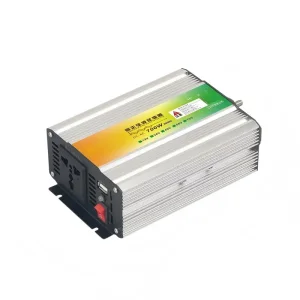
From robust knife isolation assemblies and integrated step-up substations to heavy-duty motor control centers and pure sine wave inverters.