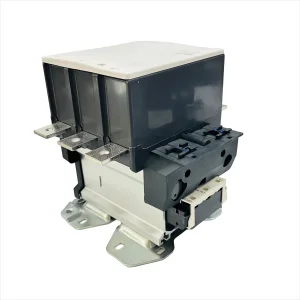
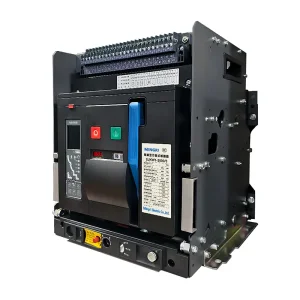
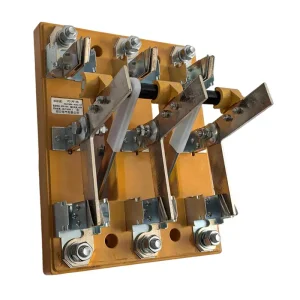
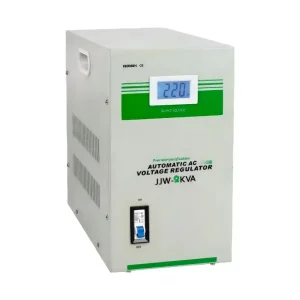
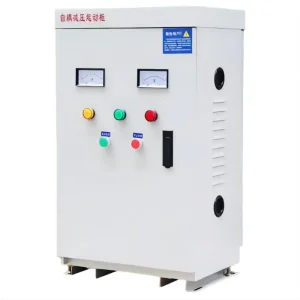
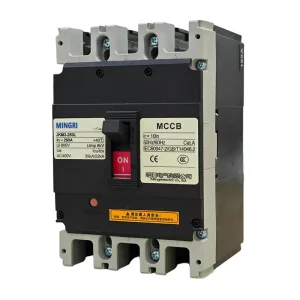
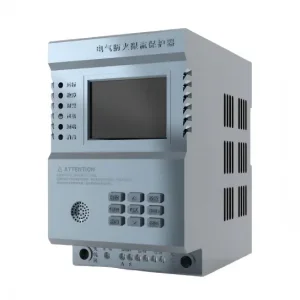
Featured OEM Power Isolation & Control Devices
Discover our factory-direct, standards-compliant load break switches, fused disconnectors, and power protection assemblies engineered for seamless integration into low- and medium-voltage assemblies.
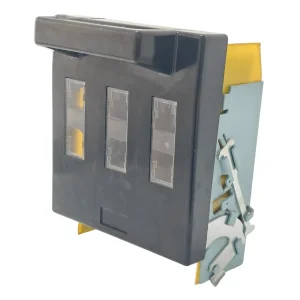
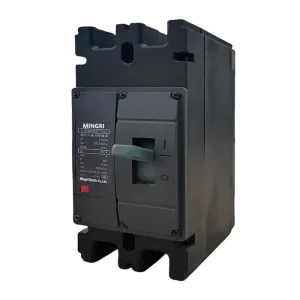
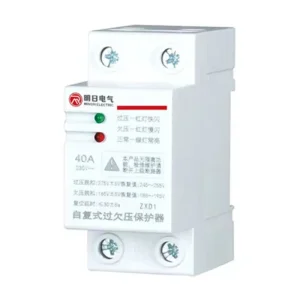
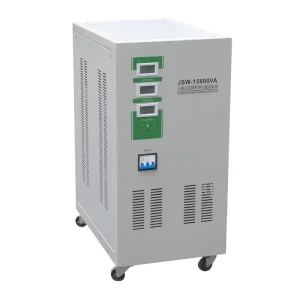
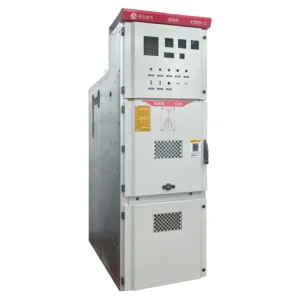
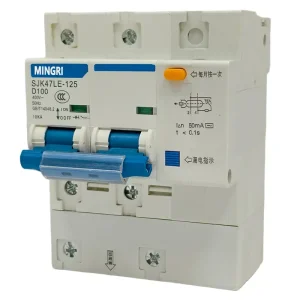
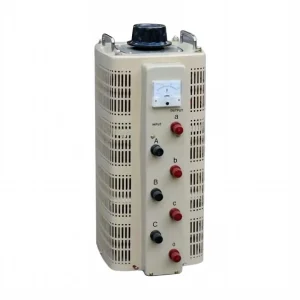
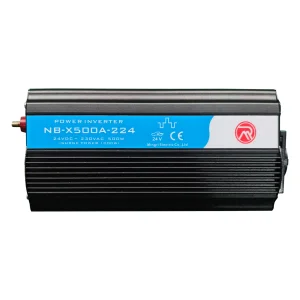
Load Isolation Switches in Modern Electrical Distribution
A critical engineering examination of operational switching, visible mechanical disconnection, and arc-quenching dynamics across demanding low and medium voltage network topologies.
Mechanical Isolation & Arc Mitigation
A load isolation switch (load break isolator) functions beyond a passive circuit disconnector. Engineered under IEC 60947-3 (AC-21A to AC-23A utilization categories), it makes, carries, and interrupts electric current under operational circuit conditions. The contact mechanism incorporates quick-make, quick-break spring energy stores independent of handle operation speed, accompanied by de-ionizing arc chutes that fragment, cool, and extinguish sustained electrical arcs within milliseconds.
Guaranteed Dielectric Isolation Gap
Safety integrity requires physical galvanic isolation across input and output bus terminals. When positioned in the open state, the clearance distance provides an impulse withstand voltage rating (Uimp up to 12 kV) preventing leakage currents, flashovers, or creeping arcs from breaching the downstream busbars. Visible contact viewing windows (e.g., HR5 and knife designs) deliver positive contact verification for personnel conducting maintenance lock-out/tag-out (LOTO) procedures.
Thermal & Dynamic Short-Circuit Endurance
During downstream short-circuit faults, electromagnetic repelling forces can reach thousands of Newtons. OEM load isolation units are engineered with rigid silver-plated electrolytic copper contacts and self-compensating clamping jaws. These leverage magnetic electrodynamic clamping forces to increase contact pressure during transient surges, avoiding contact separation until upstream short-circuit protection devices (molded case breakers or fuses) clear the fault.
Global Enterprise Procurement Requirements
How tier-one EPC contractors, switchboard builders, and energy conglomerates evaluate and qualify OEM/ODM switchgear manufacturers for mission-critical deployments.
1. Custom Enclosure & Modular Footprints
Industrial switchboards (such as MNS, GCS, KYN28-12, and XL-21 distribution boxes) impose strict geometric constraints. Global buyers demand OEM manufacturers with flexible busbar termination patterns, configurable handle interlocks (direct rotary, extended door-coupling mechanisms with IP65/NEMA 4X protection), and reversible front-to-back wiring provisions to simplify internal panel architecture.
2. Extreme Environmental Resiliency
Offshore wind turbine nacelles, desert photovoltaic installations, and chemical processing plants require high operational resilience. Switch assemblies must survive cyclic thermal ranges (-40°C to +70°C), salt spray corrosion, 95% relative humidity, and harsh seismic vibrations without mechanical seizing or dielectric tracking across glass-fiber reinforced polyester housings.
3. Rapid OEM Customization & White-Labeling
System integrators demand turnkey private-label solutions: laser-engraved corporate branding, customized auxiliary switch contacts (1NO+1NC up to 4NO+4NC), shunt release trips, undervoltage releases, and motorized actuators tailored to standard communication networks (Modbus RTU, Profinet, IEC 61850 protocol converters).
| Switch Type / Series | Rated Voltage (Ue) | Current Rating (In) | Utilization Category | Short-Time Withstand (Icw 1s) | Standard Certifications |
|---|---|---|---|---|---|
| HR5 Visible Fused Disconnector | AC 400V - 690V | 100A - 630A | AC-22B / AC-23B | 50 kA | IEC 60947-3 / CCC |
| DC High-Voltage Array Switch | DC 1000V - 1500V | 160A - 1250A | DC-PV1 / DC-PV2 | 25 kA | IEC / UL 98B / CE |
| Heavy Duty Rotary Disconnect | AC 415V - 1000V | 63A - 3150A | AC-23A (Severe Motor) | 80 kA | IEC 60947-3 / CE / CB |
| Dual-Throw Knife Transfer Switch | AC 380V - 660V | 200A - 1600A | AC-21A / AC-22A | 35 kA | GB/T 14048.3 / ISO 9001 |
| Motorized Automatic Load Switch | AC 400V - 690V | 250A - 4000A | AC-23A / AC-33B | 100 kA | IEC 60947-6-1 / CE |
Macro Industry Solutions & Sector Applications
Engineered for extreme duty cycles in utility substations, renewable arrays, hyperscale data infrastructure, and heavy manufacturing plants.
Renewable PV & BESS Energy Storage
In utility-scale 1500V DC central solar inverters and battery energy storage containers (BESS), bidirectional direct-current interrupting presents non-zero-crossing arcing challenges. Our DC load break switches incorporate multi-pole series connections, ceramic magnetic arc-blowout chutes, and non-polarized terminal geometry to safely break full load currents in under 12 ms, safeguarding lithium-ion battery racks from thermal runaway scenarios.
Hyperscale Cloud & AI Data Centers
Data centers demand continuous uptime and zero scheduled power disruption. Load isolation switches within Power Distribution Units (PDUs), static transfer switches (STS), and emergency diesel backup switchboards provide seamless manual or automatic bypass capabilities. Low contact resistance (<0.1 mΩ) cuts Joulean thermal losses, reducing cooling loads inside dense server hall power rooms.
Mining, Metallurgical & Heavy Industry
Heavy machinery, induction furnaces, and motor control centers (MCC) subject electrical distribution equipment to high starting inrush currents and harmonic distortion. AC-23A motor-rated load isolation switches handle locked-rotor conditions (up to 8× rated current make-and-break) while integrated padlocking prevents unauthorized re-energization during drive maintenance.
Technology Roadmap: Intelligent Switchgear & Sustainability
How next-generation materials science, digital condition monitoring, and decarbonization mandates are redefining load isolation architecture.
IoT Smart Sensing & Thermal Telemetry
Mechanical terminal joints undergo thermal expansion under cyclic loads. Next-generation OEM isolation switches integrate surface acoustic wave (SAW) passive wireless temperature sensors directly onto the copper contact fingers. This provides continuous real-time temperature feedback to SCADA and building management systems via industrial Ethernet, triggering alerts prior to micro-arcing degradation.
Eco-Friendly & Halogen-Free Materials
With the European Union expanding regulations on perfluoroalkyl substances (PFAS) and greenhouse gas usage (such as SF6 phaseouts in medium-voltage RMUs), our R&D roadmap focuses on 100% recyclable DMC/SMC thermoset composites, high-end engineering polymers (UL 94-V0 rated), and vacuum-assisted interruption chambers for clean, non-toxic arc extinction.
Solid-State & Hybrid Switching Topologies
Bridging mechanical reliability and semiconductor speed, hybrid isolation configurations are emerging. By pairing silicon carbide (SiC) solid-state bypasses with mechanical isolating blades, contact arcing is completely eliminated during switching transitions, extending contact operational life beyond 100,000 operations without contact tip wear.
Quality Assurance, Testing & Global Compliance
Rigorous manufacturing governance, in-house laboratory verification, and internationally accredited certification protocols ensuring total asset reliability.
Accredited Laboratory Type-Testing
Every switch design undergoes rigorous type-testing in accordance with IEC/EN 60947-1 and 60947-3, including short-time withstand current (Icw), conditional short-circuit making capacity (Icm), dielectric withstand at 50/60 Hz, temperature rise verification at maximum rated current, and endurance cycle testing in calibrated atmospheric chambers.
Full Process Traceability & ISO Frameworks
Operating under ISO 9001, ISO 14001, and ISO 45001 certified management systems, our manufacturing facilities enforce complete material traceability from raw copper purity assays (99.99% ETP copper) and silver electroplating thickness inspections (X-ray fluorescence testing) through to automated torque-calibrated robotic terminal assembly.
Global Logistics & Dedicated Engineering SLA
We provide overseas EPC and OEM clients with dedicated bilingual electrical application engineers, rapid 2D/3D CAD and BIM modeling support, customized busbar adaptation kits, comprehensive type-test reports, and robust seaworthy export packaging engineered to withstand maritime humidity and transport shocks.
Frequently Asked Technical & Procurement Questions
Authoritative engineering insights to assist consultants, switchboard assemblers, and project managers during electrical specification.
Industrial Protection, Contactors & Power Conditioning
Complementary power distribution, motor control contactors, and high-capacity automatic switches for comprehensive industrial electrification.