⚙️ Upstream Conditioning & Grid-Tied Distribution Solutions
Integrate your Uninterruptible Power Supply (UPS) topologies with industrial-grade voltage regulation, high-voltage transformation, and circuit protection infrastructure.
🌐 The Strategic Transformation of China UPS Manufacturing
Examining how high-density manufacturing corridors, vertical supply chain integration, and digital control topographies establish China as the premier engineering hub for global mission-critical power.
In modern industrial topology, electrical continuity is no longer merely an operational variable—it is the baseline determinant of financial resilience, computational uptime, and systemic safety. Global reliance on continuous, high-purity electrical power has accelerated exponentially with the expansion of hyperscale artificial intelligence compute clusters, automated semiconductor fabrication plants, petro-chemical distributed control systems (DCS), and tier-IV telecommunication exchanges. When transient voltage dips, phase displacements, harmonic distortions, or full-scale blackout contingencies strike, the Uninterruptible Power Supply (UPS) architecture functions as the definitive line of defense.
The global sourcing paradigm for mission-critical electrical equipment has shifted structurally. International Engineering, Procurement, and Construction (EPC) consortiums, facility managers, and electrical grid authorities are increasingly prioritizing Chinese original equipment manufacturers (OEMs) and original design manufacturers (ODMs). China has transcended its historical status as an assembly node, transforming into the undisputed center of gravity for end-to-end power engineering. Chinese manufacturers combine automated surface-mount technology (SMT) production lines with raw component synthesis—from grain-oriented electrical silicon steel to ultra-fast Insulated Gate Bipolar Transistors (IGBT) and third-generation Silicon Carbide (SiC) semiconductors.
This technical whitepaper examines the multidimensional ecosystem of China UPS suppliers and integrated electrical companies. It details the macroeconomic manufacturing advantages, core topological progressions (such as Online Double Conversion VFI architectures), rigorous factory qualification standards, and the holistic interlock between high-voltage switchgear, distribution transformers, precision purification devices, and localized backup power topologies.
🏭 Structural Advantages of Chinese Power Equipment Manufacturing
From component level vertical synthesis to localized multi-tier supply chain ecosystems, discover why Chinese factories dominate international energy deployments.
Vertical Supply Chain Compression
Unlike global assemblers who outsource sub-assemblies across continents, Chinese power equipment corridors in Zhejiang and Guangdong integrate every layer of the manufacturing stack. Magnetic cores, enameled copper winding, precision sheet metal fabrication, PCB micro-soldering, and dynamic environmental burn-in testing chambers are co-located within a 50-kilometer radius.
This hyper-concentrated proximity drastically minimizes supply chain fragility, accelerates engineering change orders (ECOs), and mitigates cross-border shipping delays for critical hardware components.
Advanced Wide Bandgap (WBG) Adoption
Chinese research institutions and top-tier UPS factories lead the commercial deployment of Gallium Nitride (GaN) and Silicon Carbide (SiC) MOSFET technologies. By operating at higher switching frequencies with markedly reduced thermal dissipation, modern Chinese systems achieve power densities exceeding 100kW per 3U modular chassis.
Higher junction temperature tolerances directly reduce cooling requirements within client data center halls, improving overall Power Usage Effectiveness (PUE) metrics.
Lithium Iron Phosphate (LFP) Synergy
China produces over 75% of the world's Lithium Iron Phosphate (LiFePO4) battery cells. Chinese UPS companies leverage native integration with leading battery cell producers, delivering factory-matched Battery Management Systems (BMS) with cell-level thermal monitoring, active balancing, and three-tier electrical isolation.
This direct battery synergy replaces legacy Valve Regulated Lead-Acid (VRLA) banks, reducing footprint weight by 70% and footprint floor area by 50% while extending replacement horizons to 10+ years.
Technical Comparison: Topological Evolution of Chinese Industrial UPS Systems
To understand the performance leaps achieved by tier-1 China UPS companies, evaluating topology progression is essential. Modern architectures have largely transitioned from passive standby and line-interactive designs toward True Online Double Conversion (VFI-SS-111 as classified by IEC 62040-3) paired with active power factor correction (PFC).
| Design Vector | Legacy Rotary / Line-Interactive | Standard Online Double-Conversion | Next-Gen Modular DSP-Controlled SiC UPS |
|---|---|---|---|
| Switching Mechanism | Mechanical Relay / Triac Transfer | Standard Silicon IGBT Rectifier / Inverter | SiC MOSFET 3-Level Topologies (T-Type/I-Type) |
| Transfer Time (Mains to Inverter) | 4 ms to 10 ms Discontinuity | 0 ms Absolute Continuous Power | 0 ms Seamless Solid-State Static Switch |
| Input Power Factor (PF) | 0.80 - 0.85 (Capacitive/Inductive) | ≥ 0.95 at Full Load | ≥ 0.99 with Digital Active PFC |
| Systemic Efficiency (Full Load) | 88% - 92% | 93% - 95.5% | 97.2% in Online Mode; 99.1% in Smart ECO |
| Input Current Harmonics (THDi) | > 25% (Requires heavy passive filters) | ≤ 5% with Active Filtering | ≤ 2.5% across 20% to 100% Load Range |
| Serviceability & Scalability | Monolithic (Extended MTTR: 6-12 Hrs) | Centralized Multi-Module Paralleling | Hot-Swappable Plug & Play Modules (MTTR < 5 Mins) |
🔬 Emerging Industry Trends Shaping UPS Manufacturing
The industrial UPS is evolving from an isolated emergency energy reservoir into an intelligent, grid-interactive, software-defined power hub.
AI Predictive Health Diagnostics
By sampling waveform harmonics, ripple currents, and operating temperatures at kilohertz frequencies, neural network algorithms embedded into local DSP controllers predict capacitor dry-out, IGBT thermal fatigue, and battery impedance shifts weeks before potential failure occurs.
Grid-Interactive UPS (BESS & Fast Frequency Response)
Advanced Chinese UPS designs incorporate bidirectional active rectifiers. Facilities can utilize installed energy reserves not merely for emergency backup, but for peak shaving, virtual power plant (VPP) demand-response participation, and active grid stabilization without jeopardizing critical compute autonomy.
Harsh Environment Industrial Ruggedization
Deployments in chemical plants, oil refineries, and offshore marine rigs demand far more than office-grade specifications. Chinese manufacturers engineer dedicated industrial UPS enclosures featuring IP31 to IP54 ingress protection, conformal coating on all circuit boards, standard galvanic isolation transformers, and robust seismic anchoring.
High-Frequency Transformerless Modularity
The transition toward standardized rack-mount modularity enables hyperscalers to deploy N+1, N+2, or 2N redundant topographies that scale dynamically with computational workloads. Failed modules can be hot-swapped by on-site technicians without dropping power or shifting the load to unprotected raw bypass circuits.
🏢 Localized Application Scenarios & Real-World Demands
Power quality vulnerabilities manifest uniquely across sectors. Industrial UPS solutions must be tailored to address the distinct electrical realities of specific operational environments.
Hyperscale Cloud & AI Compute Clusters
GPU clusters exhibit extreme load swings, transitioning from 15% idle to 100% full-throttle in microseconds. Chinese UPS systems utilize high-bandwidth DSP feedback loops to preserve clean sinusoidal output without voltage sags during instantaneous step-load transitions of up to 100%.
Medical Diagnostics & Surgical Suites
Linear accelerators, MRI magnets, and surgical theater equipment require ultra-low leakage currents and absolute galvanic isolation. High-frequency electrical noise can distort imaging or jeopardize sensitive monitoring systems. Chinese hospital-grade power supplies integrate triple-shielded isolation transformers.
Precision Discrete Manufacturing
Robotic multi-axis CNC machines and semiconductor wire bonders are vulnerable to sub-cycle micro-interruptions. Even a 20-millisecond voltage sag can cause physical tool breaks, damaged wafers, and thousands of lost operational hours. Specialized UPS systems maintain zero phase shift across transient interruptions.
Smart Grid Substation Auxiliaries
Transmission and distribution substations require dependable DC and AC auxiliary power to trip medium-voltage vacuum breakers, energize supervisory SCADA systems, and sustain protective relays during primary feeder collapse. China manufacturers build integrated DC-UPS and AC-inverter switchgear panels.
🔌 Macro Turnkey Infrastructure: The Complete Power Pathway
A UPS system cannot protect the mission-critical workload alone. Power resilience requires an unbroken chain of engineered apparatus from incoming utility voltages down to precision branch distribution.
Industrial reliability engineering emphasizes that the weakest link dictates systemic reliability. Sourcing an ultra-high-efficiency UPS module provides little protection if the upstream medium-voltage transformer suffers insulation breakdown, or if the incoming automatic transfer switch (ATS) suffers contact welding during a phase-opposition transfer. Premier Chinese power manufacturers specialize not merely in standalone UPS electronics, but in the entire upstream and downstream power delivery train.
1. Medium Voltage Step-Down & Protection
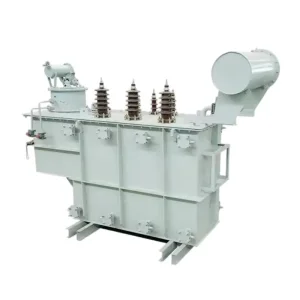
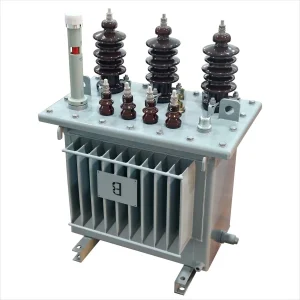
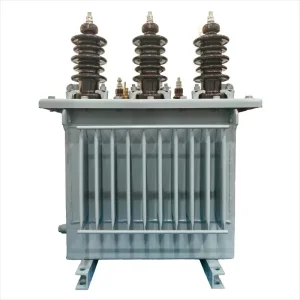
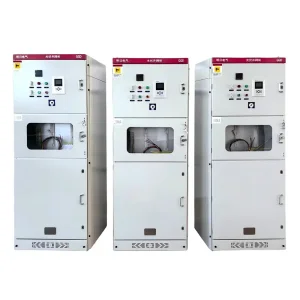
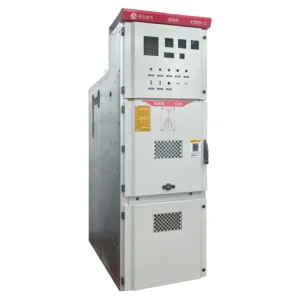
Incoming grid supplies at 35kV, 24kV, or 10kV enter via armored switchgear (such as KYN28-12) equipped with high-interrupting capacity vacuum circuit breakers (VCB). Heavy-duty, hermetically sealed oil-immersed (S11/S13) or cast-resin dry-type transformers reduce voltage to utilization levels (400V/380V) with optimized no-load losses.
2. Low-Voltage Switchgear & ATS Segregation
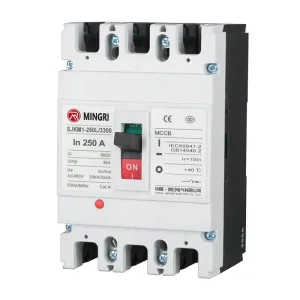
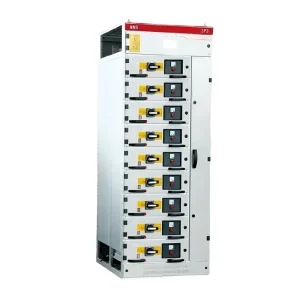
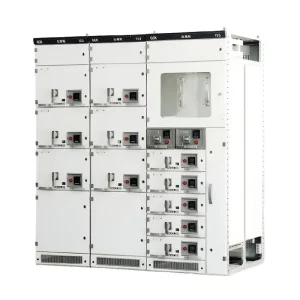
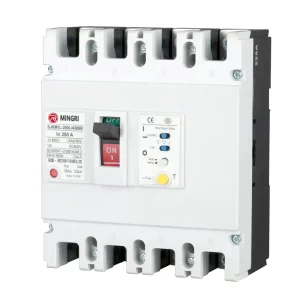
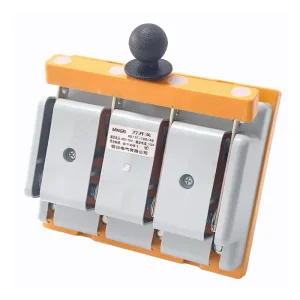
From the secondary side of the transformer, power flows into withdrawable low-voltage distribution assemblies (MNS, GCS, or GCK series). Dedicated molded case circuit breakers (MCCB) and intelligent air circuit breakers (ACB) provide calibrated selective coordination, isolating localized faults without tripping main incoming feeds.
3. Purification, Surge Suppressors & Static Transfer
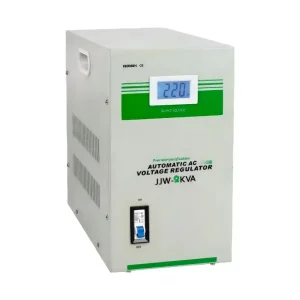
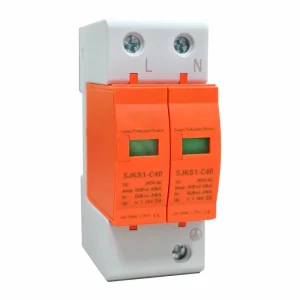
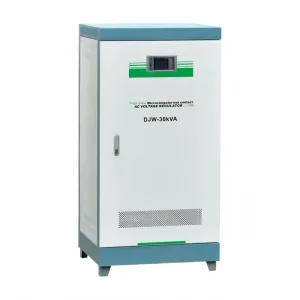
Before critical utility lines interface with the UPS input rectifiers and bypass circuitry, multi-stage Type 1 and Type 2 Surge Protection Devices (SPDs) clamp transient lightning spikes. For severe line-noise profiles, non-contact microcomputer voltage regulators purify utility wave shapes to prevent harmonic back-feeding.
📋 Global Engineering & Sourcing Evaluation Matrix
A structured technical vetting framework for international EPC contractors, engineering consultants, and global procurement officers evaluating China UPS suppliers.
Navigating the vast Chinese industrial manufacturing landscape requires moving beyond generic marketing literature to scrutinize concrete engineering validation parameters. International procurement teams should structure vendor audits around five core technical pillars:
- Factory Acceptance Testing (FAT) Rigor & Equipment: Does the facility maintain certified full-load testing bays equipped with reactive and regenerative load banks capable of running 100% inductive and capacitive unbalance checks? Can the supplier simulate severe phase-imbalance grid conditions and provide automated oscillogram recordings of dynamic step responses?
- Component Traceability & BOM Discipline: Inspect the bill of materials (BOM). Leading Chinese suppliers utilize tier-1 international or certified domestic equivalents for critical components (e.g., IXYS, Infineon, or Semikron IGBTs; Nippon Chemi-Con or EPCOS DC electrolytic capacitors; LEM current transducers). Stringent supplier auditing ensures component lots avoid counterfeit risks.
- Software Topology & Cybersecurity: Evaluate the firmware stack of the internal DSP/MCU controllers. The system must support industry-standard protocols (SNMPv3, Modbus TCP/IP, BACnet) equipped with role-based access control, encrypted firmware sign-offs, and complete vulnerability testing to prevent industrial IoT entry-point compromises.
- Thermal Design & Computational Fluid Dynamics (CFD): Review the enclosure airflow engineering. Top-tier Chinese systems segregate critical control electronics in positive-pressure sealed compartments away from forced-air cooling channels that pass through power modules, preventing conductive dust buildup over years of continuous operation.
- Standard Certification Compliance: Ensure full third-party type test certifications according to IEC/EN 62040-1 (General and safety requirements), IEC/EN 62040-2 (EMC requirements for Category C1 to C3), and IEC/EN 62040-3 (Method of specifying performance and test requirements).
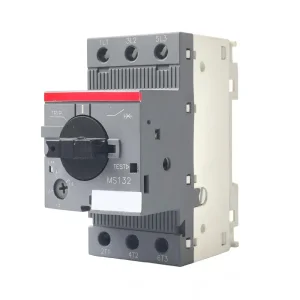
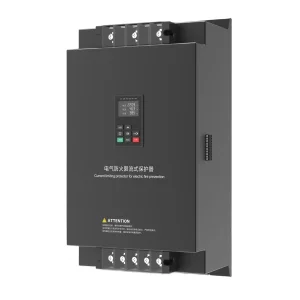
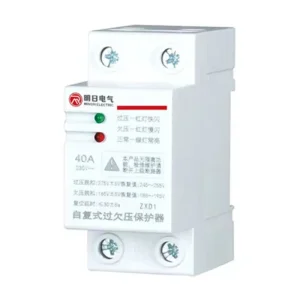
⚡ Circuit Protection, Switchgear & Substation Apparatus
Essential electrical safeguarding, motor protection, and high-voltage circuit control components manufactured to global IEC and GB standards.
❓ Frequently Asked Engineering & Procurement Questions
In-depth responses to complex inquiries encountered by system integrators, electrical engineers, and global buyers sourcing power hardware from China.