⚡ Advanced Pad-Mounted & Primary Distribution Modules
Engineered to deliver seamless medium-to-low voltage stepping, continuous arc resistance, and remote SCADA integration for global utility grids and utility-scale PV/BESS installations.
-
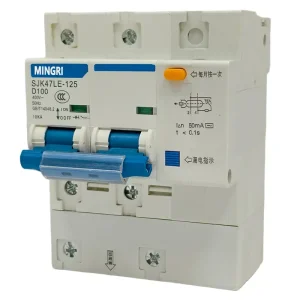 High-Quality SJK47LE-125 RCCB Factory in China - Reliable Residual Current Circuit BreakerView Technical Specs
-
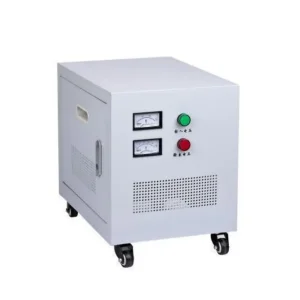 ODM SG/ZSG/SBK Series Three-Phase Dry-Type (Rectifier) TransformerView Technical Specs
-
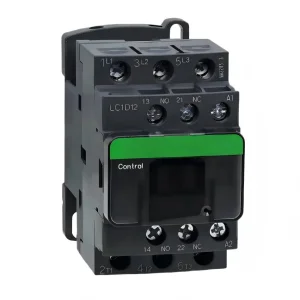 OEM LC1D Series AC Contactor 50/60Hz 660V Heavy Duty Magnetic StarterView Technical Specs
-
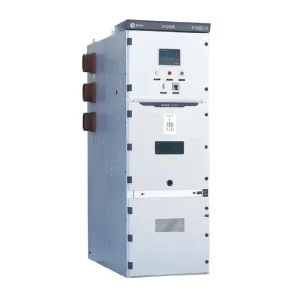 China KYN28-24 Withdrawable Armored Metal-Enclosed Switchgear SolutionsView Technical Specs
-
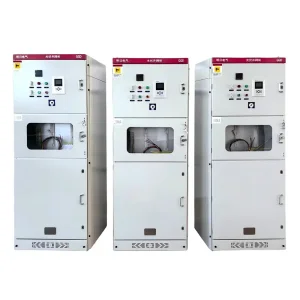 China GGD AC Low Voltage Distribution Cabinet 380V/50Hz Power SystemView Technical Specs
-
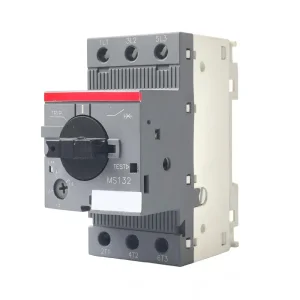 OEM China MS132 Low Voltage Motor Protection Circuit Breaker 25A 15kW 100kAView Technical Specs
-
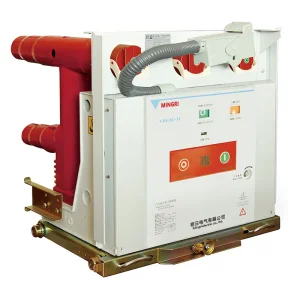 High-Quality China ZN63A(VS1)-12/24 Indoor High Voltage Vacuum Circuit BreakerView Technical Specs
-
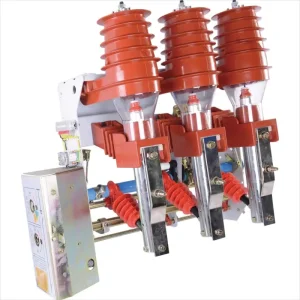 OEM FK(R)N12-12 High Voltage Air Load Breaker Fuse Switch UnitView Technical Specs
🌐 Global EPC & Utility Procurement Mandates
Analyzing the pivotal shifts in modern grid infrastructure: from strict IEEE/IEC dielectric clearances to rapid lead-time expectations amidst the worldwide renewable energy expansion.
Standard Harmonization
Navigating the dual realities of IEC 62271-200 and IEEE C57.12.28/C57.12.34 standards. Chinese pad-mounted transformer and switchgear manufacturers bridge design divergence with dual-rated copper/aluminum bus assemblies, tamper-resistant enclosure latching, and standardized multi-point cabinet earthing systems.
- IEEE C57.12.00 / C57.12.38 Compliant
- IEC 60076 Power Transformer Benchmarks
- UL / CSA Pre-Engineering Readiness
Environmental Hermeticity
Deployments across desert solar plants, coastal wind farms, and high-humidity urban vaults require C5-M anti-corrosion marine-grade coatings, polyurethane zinc-rich primers, and nitrogen-sealed or totally dry-type non-flammable dielectric cores that withstand extreme cyclical thermal strain.
- Hot-dip galvanized sheet or 304/316L Stainless
- UV-resistant thermosetting electrostatic powder
- Seismic Zone 4 (IBC/IEEE 693) structural integrity
Total Cost of Ownership (TCO)
Global utility purchasers evaluate lifecycle costs by factoring in low load loss, minimized no-load hysteresis via high-permeability grain-oriented silicon steel (CRGO) or amorphous alloys, and oil containment reservoirs designed for zero environmental contamination risk.
- Amorphous core alloys reducing no-load loss by 65%
- Integrated bay-o-net fuse with current-limiting backups
- Self-contained oil-retention base bunding options
🏭 China Factory 4.0: Supply Chain Resilience & Precision
Inside the Yueqing electrical manufacturing hub: end-to-end integration from copper smelting and automated laser punching to high-vacuum epoxy cast and robotic testing bays.
| Production Phase | Conventional Methodology | China 4.0 Automated Architecture | Procurement Benefit |
|---|---|---|---|
| Core Cutting & Stacking | Manual shears, visual step-lap assembly | High-speed CNC lines with robotic pick-place step-lap stacking | Guaranteed minimal excitation current & acoustic decibel control (<45 dB) |
| Winding Technology | Semi-automated manual tension control | Constant-tension CNC foil winding with online laser insulation monitoring | Extreme short-circuit mechanical endurance and surge suppression |
| Enclosure Sheet Metal | Hydraulic press punch & standard welding | Fiber laser 3D cutting, salvage robotic bending, automated robot seam weld | IP55-IP65 hermetic sealing; precise tolerances eliminating field rework |
| Quality Assurance & FAT | Batch sample testing | 100% digitalized automated test bays: Routine, BIL Impulse, and PD trace | Zero-defect delivery; cryptographically signed test logs for project records |
🚀 Technical Roadmap & Next-Gen Sector Solutions
Architecting the transition toward eco-friendly ester dielectrics, SF6-free ring main switchgear, and digital substation telemetry.
Eco-Friendly Dielectrics
Accelerating the replacement of conventional mineral oils with biodegradable synthetic and natural ester fluids (FR3 class). These provide flashpoints exceeding 300°C (K-class fluid rating), vastly improving urban fire safety and allowing pad-mounted substations to be positioned directly adjacent to densely populated architectural structures.
- High fire point: >300°C vs 140°C (mineral oil)
- Readily biodegradable within 28 days (OECD 301)
- Thermal class upgrade enabling smaller footprint
Edge SCADA & IoT Telemetry
Modern pad-mounted stations are evolving into intelligent grid nodes. Integrated with fiber-optic temperature sensors on winding hot spots, dissolved gas analysis (DGA) microsensors, and IEC 61850 protocol micro-gateways, operators detect transformer aging and switch contact degradation well before catastrophic failure.
- Integrated RTU with IEC 60870-5-104 / DNP3
- Fiber-Bragg-grating (FBG) hot-spot tracking
- Automated fault detection, isolation, & restoration (FDIR)
BESS & Solar Step-Up Skids
Specialized dual/quad-winding configurations designed specifically to interface with multi-inverter PV arrays and utility-scale battery energy storage systems (BESS). Engineered to mitigate continuous high-frequency harmonics (THD), withstand cyclic DC-bias stress, and manage bidirectional power flow reliably.
- Multi-winding low-voltage configuration (Up to 4 split coils)
- Electrostatic shielding between HV and LV windings
- Integrated DC disconnect & AC vacuum breakers in one skid
🤝 Localized Support, Compliance & Engineering Assurance
Ensuring frictionless overseas deployment with global testing certifications, multilingual field documentation, and full lifecycle engineering support.
Type Testing & Third-Party Audits
Comprehensive type-test portfolios validated by internationally accredited bodies (such as KEMA, CESI, ASTA, and China National Quality Supervision centers). Tests encompass internal arc classification (IAC AFLR), lightning impulse withstand (BIL up to 200 kV), short-circuit dynamic withstand, and IP rating verifications.
Turnkey Export Packaging
Standardized seaworthy anti-humidity packaging utilizing vacuum barrier foil, desiccant charges, and heavy-duty ISPM-15 heat-treated timber frames. Shock indicators and 3-axis tilt loggers accompany critical transformer shipments to guarantee uncompromised mechanical core-coil alignment upon destination arrival.
Remote & On-Site Commissioning
Eliminating geographical barriers with real-time AR-assisted technical commissioning, dedicated 24/7 senior electrical engineering dispatch channels, and comprehensive BIM/CAD models delivered to engineering firms for rapid site spatial integration and clearance calculations.
⚙️ Control, Isolation & Secondary Substation Automation
Complementary low-voltage protective gear, hybrid power conversion systems, and heavy-duty motor management solutions forming the backbone of industrial facilities.
-
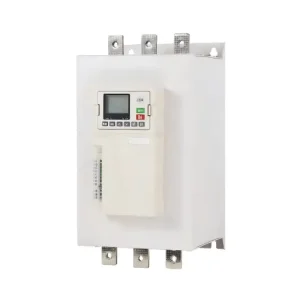 China MCR8 Series Digital Motor Soft Starter High Reliability SolutionsView Technical Specs
-
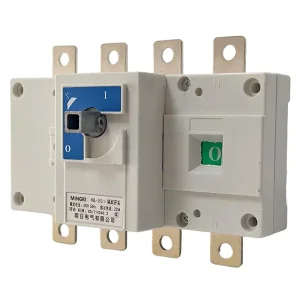 ODM HGL 3/4 Pole Load Isolation Switch High Amperage DisconnectView Technical Specs
-
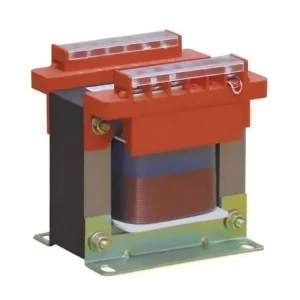 High-Quality Reliable BK Series Control Transformers for Factory AutomationView Technical Specs
-
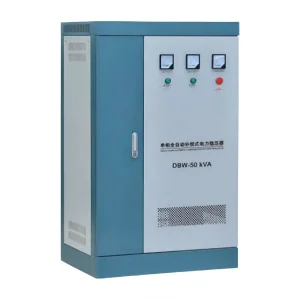 Wholesale DBW Single Phase Series Compensated Power Voltage RegulatorView Technical Specs
-
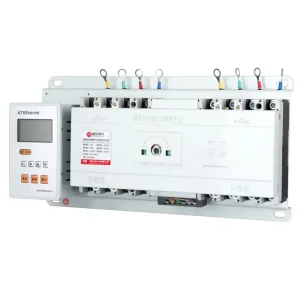 ODM SJKQ2Z ATS Switch Dual Power Automatic Transfer for LV NetworksView Technical Specs
-
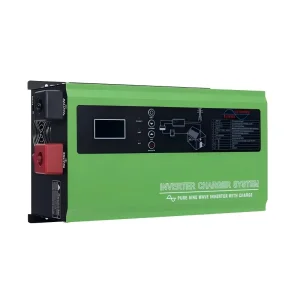 High-Quality MCS Series Hybrid Solar Inverter 1000W-12000W Clean Energy UnitsView Technical Specs
-
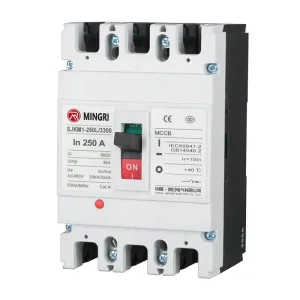 Wholesale SJKM1 Moulded Case Circuit Breaker (MCCB) for Industrial ProtectionView Technical Specs
-
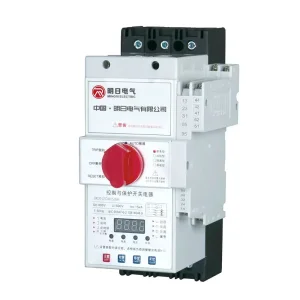 High-Quality SJKCPS Integrated Control and Protective Switching DeviceView Technical Specs
❓ Frequently Asked Technical Questions (FAQ)
Essential answers for substation specifiers, electrical procurement leads, and international EPC project managers.
Q1: How do Chinese pad-mounted transformers align with North American IEEE C57 standards?
Leading Chinese manufacturers design pad-mounted units strictly conforming to IEEE C57.12.00, C57.12.28 (enclosure integrity), and C57.12.34 (compartmental-type configuration). Critical components such as dead-front elbow connectors, bay-o-net fuse holders, and pressure relief valves are procured from UL/CSA certified lines or standardized global vendors to ensure complete compliance during utility inspection.
Q2: What is the structural difference between European and American pad-mounted substations?
American-style pad-mounted transformers (ZGS series) integrate the transformer core, coils, high-voltage load break switches, and bay-o-net fuses directly inside a sealed, oil-immersed tank, resulting in a very low profile. European-style substations (YB series) feature an enclosed walk-in or compact housing divided into three distinct physical air/gas compartments: Medium-Voltage Switchgear, Transformer Bay, and Low-Voltage Distribution Panel.
Q3: Can units be customized for extreme ambient conditions like coastal salts or mining dust?
Yes. Customization includes the application of ISO 12944 compliant C5-I (industrial) or C5-M (marine) coating systems, full 304 or 316L stainless steel enclosure fabrication, hermetic IP65 sealing for control compartments, and extended creepage distance bushings to prevent flashover in high-pollution and saline environments.
Q4: What are the standard lead times for custom medium-voltage switchgear and transformers?
Due to the concentrated supply chain in Yueqing, Zhejiang, baseline lead times for standard engineered units range between 3 to 6 weeks, compared to 20 to 52 weeks in North American or Western European markets. Complex multi-winding solar/storage skids or custom bus-configured switchgear typically ship within 6 to 8 weeks following CAD/Single-Line Diagram approval.