Flagship Medium & Low Voltage Distribution Assemblies
Explore our precision-engineered core disconnect switches, air circuit breakers, kiosk substations, and power safety modules engineered for robust outdoor distribution networks.
-
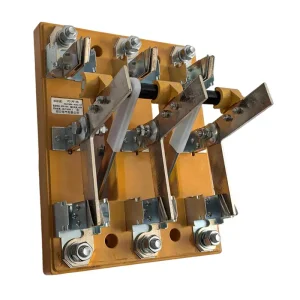 Wholesale HS13BX Double Throw Rotary Type Knife Disconnect Switch Manufacturer, FactoryExplore Technical Specs
-
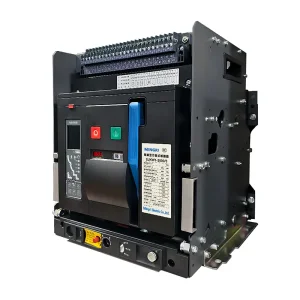 OEM Intelligent Universal Circuit Breaker SJKW1-2000 from China Suppliers | Overload ProtectionExplore Technical Specs
-
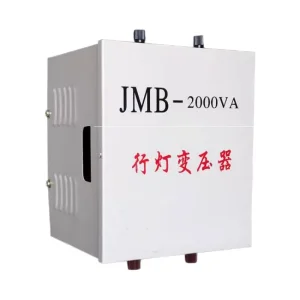 ODM JMB/BJZ/DG/BZ(DM) Series Lighting & Hand Lamp Control Transformer Suppliers, CompanyExplore Technical Specs
-
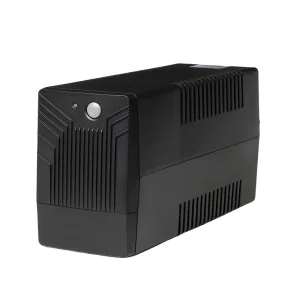 Wholesale MCEX/MCTA Series Standby UPS Power Supply Supplier, ManufacturersExplore Technical Specs
-
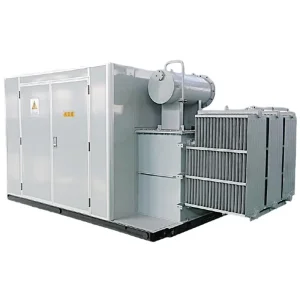 ODM ZGS11-Z.T Integrated Photovoltaic Step-up Substation Manufacturer, CompaniesExplore Technical Specs
-
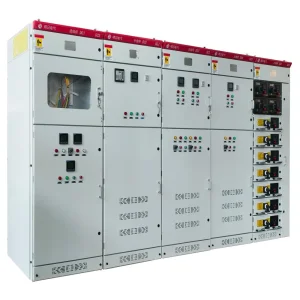 High-Quality GCS Low Voltage Withdrawable Switchgear Panel for Power Distribution FactoriesExplore Technical Specs
-
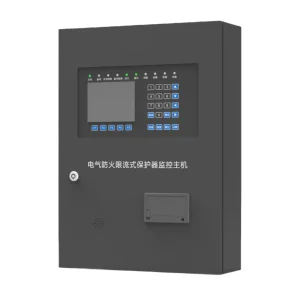 China Current-limiting Protector System Main Unit - Reliable Factory Solutions for Power DataExplore Technical Specs
-
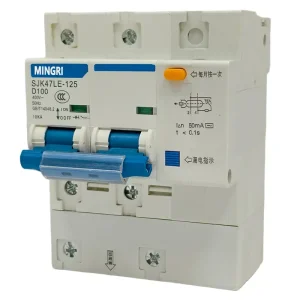 OEM SJK47LE-125 Residual Current Circuit Breaker (RCCB) Manufacturers, CompaniesExplore Technical Specs
State of Global Grid Modernization & Outdoor Distribution Architecture
Accelerating urbanization, distributed energy resource (DER) integration, and the worldwide push toward underground power distribution require hardened, modular, and cyber-physical cable branching solutions.
Undergrounding of Overhead Networks
Global metropolitan and industrial centers are systematically replacing vulnerable overhead distribution lines with underground medium-voltage (MV) and low-voltage (LV) feeder loops. Outdoor cable distribution boxes (commonly known as cable branch boxes, feeder pillars, or DFW units) form the foundational connective nodes for multi-circuit cable taps, sectionalizing, and continuous loop power distribution without interrupting the primary ring network.
Grid Edge Resiliency & Ingress Defense
Deployments in aggressive littoral salt-spray, high-humidity tropical zones, and extreme sub-zero desert corridors demand enclosures with superior ingress protection (IP55 to IP68 hermetic chambers) and mechanical rigidity (IK10). Chinese manufacturing consortia have led the global transition toward surgical-grade SUS304/316 stainless steel and SMC composite thermoset housings coated with fluorocarbon electrostatic finishes.
Transition to Smart Secondary RMU Integration
Modern distribution boxes have advanced beyond passive connector busbars. They now incorporate vacuum circuit breakers (such as the VSB-12 and VS1-12C series), SF6 or eco-gas insulated switch disconnectors (SafeRing, RM6, SM6 topologies), optical current-limiting protective arrays, and micro-remote terminal units (RTUs) to provide automated fault detection, isolation, and service restoration (FLISR).
Engineering Specifications & Structural Classifications
International EPC contractors, municipal power bureaus, and heavy industrial facilities rely on distinct outdoor distribution box architectures designed around dielectric performance and load capacity.
| Classification | Nominal Voltage (kV) | Switching / Busbar Configuration | Insulation Media & Enclosure Rating | Typical Industrial Application |
|---|---|---|---|---|
| Passive MV Cable Tap Box (European Style) | 12 kV / 24 kV | Fully screened separable connectors, 630A copper busbar, capacitive test points | EPDM/Silicon fully screened rubber, IP65 SUS304 enclosure | Urban residential loop distribution, commercial park underground branching |
| Active MV Switch Distribution Box (DFW-12/24) | 12 kV / 24 kV / 40.5 kV | Integrated SF6 or solid-dielectric load break switch (LBS) + fuse combination | Gas-insulated chamber (IP67 tank) inside IK10 heavy-gauge outdoor kiosk | Substation feeder tie-ins, secondary distribution network automation, municipal ring feeds |
| Compact Prefabricated Substation Node (YB/ZGS Series) | 12 kV to 0.4 kV | Integrated high-voltage switchgear, hermetic oil/dry transformer, low-voltage panel (GCS/GCK) | Double-layer thermal insulated aluminum alloy, composite stone, or galvanized steel | Solar PV collection yards (ZGS11-Z.T), wind farms, mining camps, urban microgrids |
| Intelligent LV Feeder Pillar / Pillar Box | 0.4 kV (380V/415V/690V) | Air circuit breakers (SJKW1-2000), MCCBs (SJKM3), multi-channel current-limiting modules | Class II reinforced polyester SMC or powder-coated marine-grade aluminum, IP55 | Industrial chemical zones, EV charging park distribution, port container logistics terminals |
| Solid-Dielectric Eco-Friendly Branch Box | 12 kV / 24 kV | Epoxy resin vacuum encapsulated pole breakers (VSB-12/SafeRing architecture) | Zero Global Warming Potential (0 GWP), fluorinated gas-free, solid insulation | Strict carbon-neutrality initiatives, underground metro transit systems, environmental preserves |
Cross-Sector Applications & Macro Utility Solutions
Engineered for extreme operating envelopes, China-manufactured outdoor cable distribution units operate across mission-critical utility, renewable energy, and heavy industrial settings.
Utility-Scale Photovoltaic Parks
Integrated with DC string combiners, inverter step-up transformers (such as the ZGS11-Z.T series), and SCADA gateways, outdoor distribution cabinets withstand intense UV exposure, desert thermal cycling (-40°C to +65°C), and dust penetration while channeling generated power directly to central transmission substations.
Mega Data Centers & Hyperscale Cloud
Critical tier-IV facilities deploy dual-redundant outdoor distribution rings equipped with intelligent SJKW1-2000 air circuit breakers, automatic transfer switches (ATS), and uninterruptible standby power modules (MCEX/MCTA systems) to achieve five-nines (99.999%) availability and eliminate micro-voltage disruptions.
Mining, Petrochemical & Heavy Industry
Refineries and offshore extraction terminals utilize explosion-proof, flame-retardant SMC enclosures and hermetically sealed solid-insulated switch chambers (GXGN-12). Integrated current-limiting fire protection prevents hazardous arc flash hazards in corrosive sulfur, chlorine, and hydrocarbon atmospheres.
EV Bus Fleets & Mega-Watt Charging
High-voltage DC fast-charging terminals require robust outdoor secondary distribution pillars equipped with high breaking capacity MCCBs (SJKM3 series) and active thermal management to manage large harmonic distortions and cyclical high-load power draws without nuisance tripping.
Engineering Deep-Dive: Material Science & Grid-Edge Intelligence
Examining the structural materials, thermodynamic dissipation mechanisms, and cybernetic telemetry powering contemporary distribution infrastructure.
Advanced Metallurgical & Composite Enclosures
Modern outdoor distribution boxes leverage automated laser-welded SUS304 or SUS316 austenitic stainless steel (2.0mm to 2.5mm thickness) with nano-ceramic passivated surfaces. For harsh saline environments, sheet molding compound (SMC) hot-compression molded enclosures provide non-conductive, fire-retardant (UL94 V-0), and corrosion-proof properties with expected lifespans exceeding 30 years without exterior repainting.
Passive & Active Thermodynamic Management
To prevent internal temperature excursions and destructive dew-point condensation, enclosures utilize patented labyrinth ventilation louvers, condensation-inhibiting ceramic coatings, and smart PTC heating modules. High-density aluminum dissipation ribs coupled with solar radiation deflection panels preserve switchgear ratings up to +55°C ambient temperatures without forced derating.
IEC 61850 & Cyber-Physical SCADA Nodes
Distribution boxes now function as intelligent nodes within distribution automation systems (DAS). With embedded micro-controllers, Rogowski coil current transducers, fiber-optic arc detection sensors, and 4G/5G encrypted wireless modems, these units continuously report busbar temperatures, partial discharge events, and contact erosion metrics to remote control rooms.
Why Global Utilities Partner with Chinese Manufacturers
China’s high-voltage electrical capital in Yueqing, Zhejiang, represents the highest concentration of switchgear, circuit breaker, and distribution box engineering excellence in the world.
Unmatched Vertical Cluster Integration
The geographic clustering of specialized manufacturers in Yueqing allows for rapid prototyping, mold building, high-precision sheet metal stamping, copper busbar extrusion, and vacuum epoxy casting all within a 20-kilometer radius. This localized supply chain cuts production lead times by 40% to 60% compared to Western counterparts, enabling turnkey shipments of custom-engineered distribution panels in weeks rather than months.
Rigorous E-E-A-T Quality Management
Manufacturers adhere strictly to ISO 9001 (Quality), ISO 14001 (Environmental Management), and ISO 45001 (Occupational Safety) certifications. High-voltage equipment undergoes mandatory routinely executed tests: power frequency withstand voltage testing, lightning impulse test verification (up to 125 kV BIL for 24 kV units), partial discharge measurement (≤ 10 pC), and automated micro-ohmmeter contact resistance evaluations.
Cost Efficiency with Bespoke Engineering (OEM/ODM)
International procurement teams benefit from substantial Bill of Materials (BOM) cost advantages without sacrificing mechanical integrity. Chinese manufacturers offer flexible customization of incoming/outgoing cable gland plates, mimic bus diagrams, SCADA protocol gateways, and compatibility with brands like ABB, Schneider Electric, or Siemens field components.
Medium Voltage Switchgear, Transformers & Breakers
Complete your secondary distribution installation with our certified cast-resin dry transformers, vacuum circuit breakers, motor soft starters, and intelligent molded-case breakers.
-
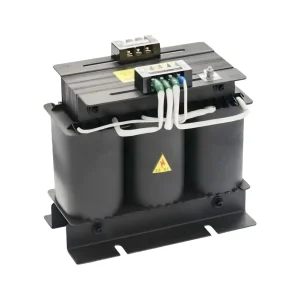 Wholesale JSG Series Three-phase Dry-type Transformer (Servo Transformer) SupplierExplore Technical Specs
-
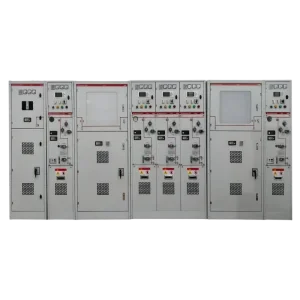 Wholesale SafeRing-12 Fully insulated inflatable ring switchgear with Insulation ProtectionExplore Technical Specs
-
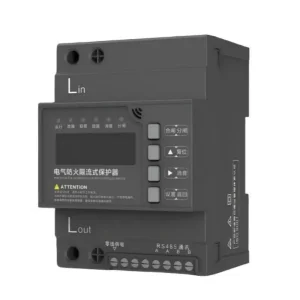 ODM Single phase small electrical fire-resistant current limiting protector SupplierExplore Technical Specs
-
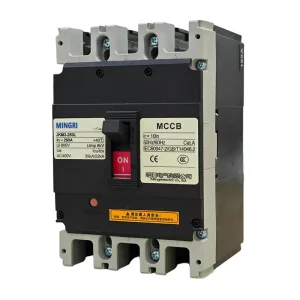 OEM SJKM3 MCCB Moulded Case Circuit Breaker with Overload Protection - China SolutionsExplore Technical Specs
-
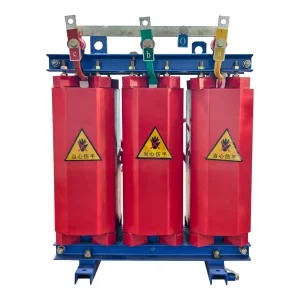 Wholesale China SC(B)11 10kv Resin-Insulated Dry Casting Transformer SuppliersExplore Technical Specs
-
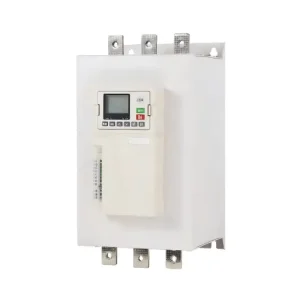 China MCR8 Series Digital Motor Soft Starter Suppliers, Heavy Industrial CompanyExplore Technical Specs
-
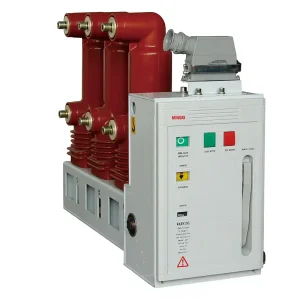 ODM China VSB-12 Indoor High-Voltage Vacuum Circuit Breaker Suppliers for 12kV PowerExplore Technical Specs
-
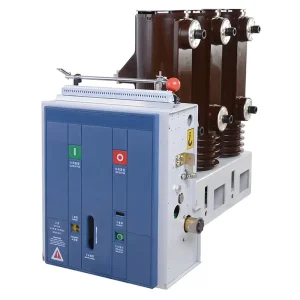 China VS1-12C Indoor High-Voltage Side-Mounted Vacuum Circuit Breaker ManufacturersExplore Technical Specs
Turnkey Compliance, FAT/SAT Protocols & Lifecycle Field Support
Delivering global project certainty through rigorous acceptance testing, international logistics packaging, and round-the-clock technical field engineering.
Factory Acceptance Testing (FAT) & Digital Twins
Every outdoor cable distribution box undergoes comprehensive FAT prior to dispatch. Clients can conduct live remote video inspections of dielectric pressure, interlock mechanism sequencing, and primary injection tests. Full CAD drawings, 3D BIM models, and schematic wiring diagrams accompany each unit to streamline site installation.
Export Packaging & Ocean Logistics Hardening
Cabinets are secured inside IP-sealed vacuum aluminum-foil barrier bags filled with desiccant to prevent corrosion during ocean transit. Heavy-duty wooden crates built to ISPM 15 heat-treated phytosanitary standards incorporate impact-sensing shock indicators to guarantee that precision switchgear mechanisms arrive on site in factory-calibrated condition.
24/7 Global Field Engineering Support
Our multilingual application engineering team provides 24/7 remote commissioning assistance, schematic validation, and relay protection coordinate calculations. Certified regional technicians across Southeast Asia, the Middle East, Central Asia, and Latin America are dispatched to assist with site acceptance testing (SAT) and warranty servicing.
Frequently Asked Questions for Electrical Engineers & Buyers
Detailed technical answers to common queries regarding outdoor cable distribution box specification, enclosure materials, switchgear topologies, and international standards.