Engineered Medium & Low-Voltage Power Assemblies
Certified arc-fault containment, self-extinguishing dielectric components, and high-temperature thermal barriers designed for modern commercial, industrial, and substation installations.
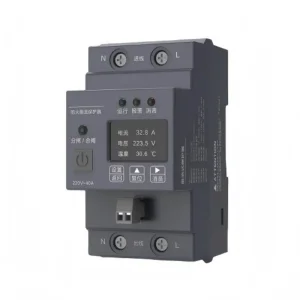
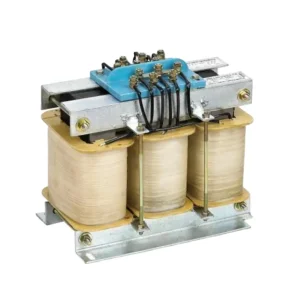
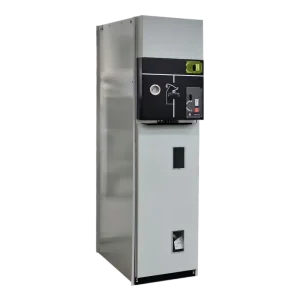
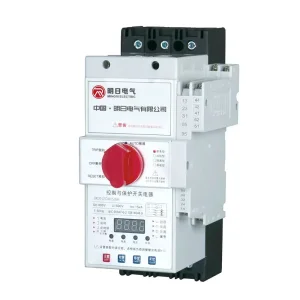
Global Technological Trends in Fire-Resistant & Arc-Proof Power Systems
High-energy electrical equipment operates under intensifying thermal, dielectric, and atmospheric stresses. Discover how modern passive and active fire-safety standards are reshaping medium- and low-voltage manufacturing.
Active Internal Arc Mitigation (IAC AFLR)
Traditional enclosures relied solely on sheet steel containment. Modern fire-resistant engineering leverages pressure-relief vents with gas deflector channels, optical arc detection sensors, and ultra-fast grounding switches that extinguish internal arcing in under 5 milliseconds. This eliminates ignition sources before fire propagates into neighboring compartments.
Eco-Gas & Solid-State Epoxy Insulation
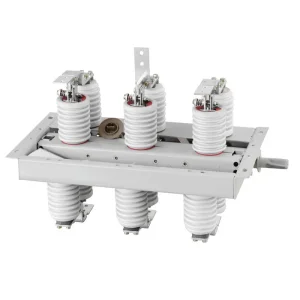
Regulatory phase-outs of greenhouse gases (F-gases) and flammable dielectric oils have propelled the adoption of solid-insulated RMUs (such as GXGN-12) and vacuum interrupters sealed in cycloaliphatic epoxy. These materials eliminate combustible hydrocarbon liquids, feature UL 94-V0 non-propagating flammability ratings, and produce zero toxic halogen fumes during thermal breakdown.
Intelligent Micro-Pyrometer Real-Time Diagnostics
Thermal runaway inside busbar joints and breaker terminals is the root cause of over 70% of electrical switchgear fires. Next-generation fire-resistant switchboards embed passive SAW (Surface Acoustic Wave) or wireless infrared temperature sensors at high-stress contact interfaces, transmitting telemetry into SCADA systems to isolate abnormal heating long before flashover occurs.
Enterprise Procurement Criteria: Compliance, Fire Integrity & Safety Proofs
International EPC contractors, hyperscale data center operators, and municipal utilities enforce stringent fire safety mandates. Review the benchmark regulatory matrix governing equipment qualification.
| Standard / Regulation | Scope of Application | Fire & Thermal Barrier Mandate | Mingri Manufacturing Compliance |
|---|---|---|---|
| IEC 62271-200 | Metal-Enclosed MV Switchgear (1 kV to 52 kV) | Internal Arc Classification (IAC AFLR) with certified blast mitigation and exhaust gas quenching channels. | Fully Certified Routine type-tested up to 31.5 kA / 1 sec. |
| UL 94-V0 / IEC 60695-11-10 | Polymeric Components, Bus Supports & Spacers | Vertical burning test; flame self-extinguishes within 10 seconds without flaming dripping particles. | Standard Spec Zero-halogen flame-retardant resins applied throughout. |
| NFPA 70 / NEC Article 490 | North American Industrial High-Voltage Installations | Rigid mechanical partitioning, fire-rated enclosure barriers, and temperature rise control under short-circuit. | Compliant Design Available with seismic bracing and NEMA 3R/4X options. |
| EN 45545-2 (HL3 Class) | Rail Transit, Tunnels & Underground Substations | Strictest toxicity, smoke optical density, and low-heat release criteria for confined passenger corridors. | Engineered Tier Halogen-free crosslinked internal cabling and non-toxic insulators. |
| IEC 60076-11 | Dry-Type Flame-Retardant Power Transformers | F1 flammability class rating; limited combustibility, absence of toxic emissions, drop droplet resistance. | Certified F1 / C2 Vacuum resin cast coils with epoxy reinforced fiberglass. |
Critical Sourcing Pain Points in B2B Procurement
- Substandard Insulating Polymers: Low-cost suppliers often substitute halogenated resin binders that emit lethal hydrogen chloride gas during internal fault arcing.
- Flawed Deflagration Channels: Poorly simulated arc blast ducting causes catastrophic pressure ruptures toward maintenance personnel access corridors.
- Supply Discontinuity: Fluctuating raw material access (copper, silicon core, cold-rolled steel) yields erratic project commissioning delays.
The Mingri Assurance Framework
- Total Material Traceability: Every batch of sheet steel, vacuum interrupters, and epoxy formulations is digitally linked to mill test certificates and chemical assay reports.
- Finite Element Arc Blast Modeling: Computational fluid dynamics (CFD) verify thermal dissipation and structural pressure integrity prior to laser fabrication.
- Vertical Production Autonomy: Fully integrated metal stamping, robot-welded gas tanks, coil winding, and assembly lines ensure on-time delivery resilience.
China Factory 4.0: Engineering Precision, Scale & Resilience
Situated in Yueqing, the epicenter of global electrical engineering, Mingri Electric merges digital automation, tight component integration, and advanced metallurgical mastery to set global benchmarks in fire-rated power apparatus.
Robotic Laser Precision
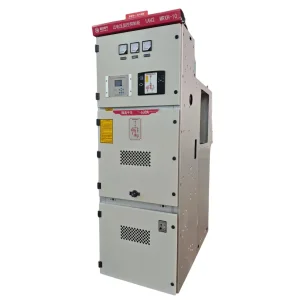
Fiber-laser CNC sheet profiling with 0.02 mm tolerances guarantees airtight partition sealing across all medium-voltage switchgear cubicles (KYN28, SM6), completely containing arc flare-ups.
Automated Resin Encapsulation
Computerized vacuum casting autoclaves impregnate dry-type transformer windings with flame-retardant epoxy, ensuring complete bubble-free zero partial discharge (< 5 pC) performance.
Helium Mass Spectrometry
Stainless steel tanks for gas-insulated RMUs (RM6, SafeRing) are tested with dry vacuum helium leak detectors, ensuring a continuous leakage rate below 0.1% per year for a 30-year operational lifecycle.
Smart Stress Simulation
Each prototype undergoes full-spectrum thermal cycling, high-voltage impulse testing up to 185 kV BIL, and mechanical endurance assessments to withstand external fire environments.
Mission-Critical Global Industrial Application Scenarios
When downtime results in severe economic exposure or catastrophic life-safety hazards, engineers choose fire-resistant power distribution equipment with proven physical containment.
Hyperscale Cloud & AI Data Centers
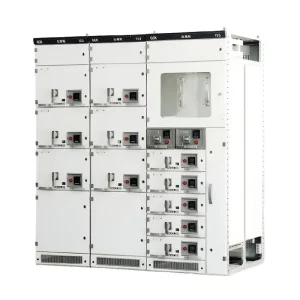
Continuous megawatts of dense computing power demand absolute fire immunity. Prefabricated substations and GCK/MNS low-voltage withdrawable switchboards isolate server halls from electrical arc incidents, preventing catastrophic facility-wide fire suppression discharges.
Heavy Mining & Underground Tunnels
Underground extraction sites present volatile coal dust, methane, and extreme humidity. Mining-grade integrated protection transformers and explosion-resistant dry transformers eliminate oil-leak combustion risks while providing robust short-circuit defense.
Renewable Utility Solar & Wind Farms
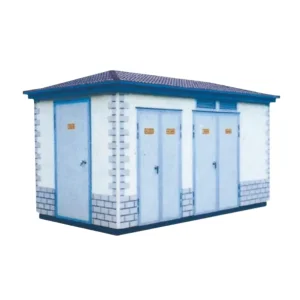
Utility-scale renewable plants operate under intense solar radiation, saline coastal winds, and wide temperature swings. Prefabricated compact substations (YB series) package high-voltage switchgear, step-up transformers, and ATS controllers into weatherproof, fireproof steel-alloy housings.
Specialized Circuit Breakers, Switches & Transformers
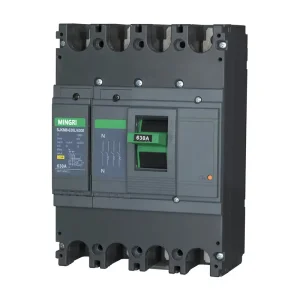
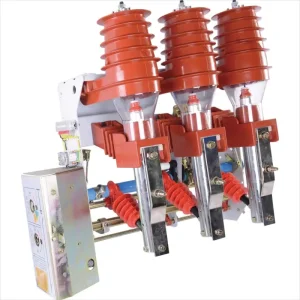
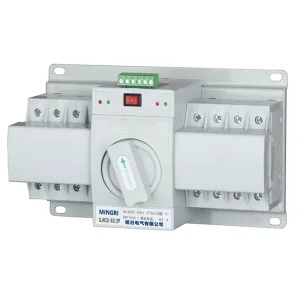
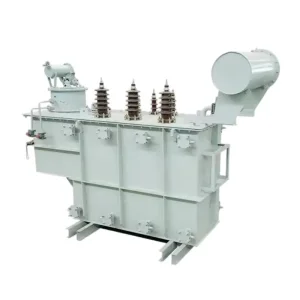
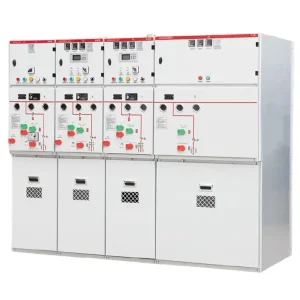
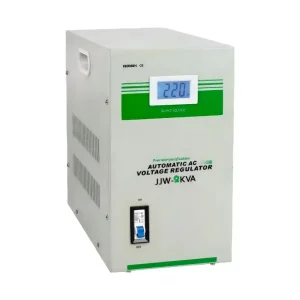
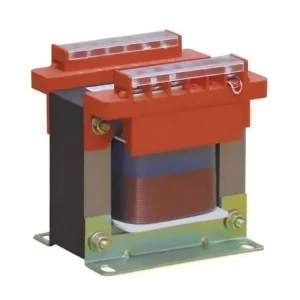
Complete system integration with high-breaking-capacity MCCBs, vacuum disconnectors, solid-insulated switchgear, and on-load tap changing power transformers.
Frequently Asked Questions: Fire-Resistant Power Solutions
Key technical answers for substation engineers, EPC consultants, electrical inspectors, and utility sourcing teams.
How does an Internal Arc Classification (IAC AFLR) protect facilities against catastrophic fire?
An IAC AFLR rating guarantees that if an internal phase-to-ground or phase-to-phase flashover occurs, the switchgear enclosure mechanically confines the plasma blast, hyper-heated gas, and incandescent slag. Pressure relief flaps direct escaping gases through dedicated top or back blast chimneys away from personnel at the Front (F), Lateral (L), and Rear (R) zones, preventing fire from igniting adjacent switchgear bays or structural walls.
Why are Solid-Insulated Switchgear (SIS) units like GXGN-12 inherently safer against fire than oil-filled gear?
Oil-insulated switchgear poses massive fire hazards because mineral transformer oil is flammable with a flashpoint near 140°C. Under arc flash, combustible gases ignite, causing catastrophic explosions. Solid-insulated switchgear (SIS) encapsulates each phase in flame-retardant epoxy resin, eliminating flammable liquids entirely, preventing phase-to-phase flashovers, and earning self-extinguishing ratings under UL 94-V0.
What role does the MRXH-10 Arc Suppression Cabinet play in preventing electrical fires?
In ungrounded or resonant-grounded distribution grids (6–35 kV), single-phase arcing ground faults often evolve into hazardous intermittent arc grounds, driving catastrophic overvoltages up to 3.5 times rated value that cause secondary cable explosions and fires. The MRXH-10 rapidly detects grounding flashovers and executes high-speed microsecond vacuum contactor transition to ground, extinguishing the unstable open arc and stabilizing line voltages.
Can Mingri prefabricated substations (YB series) be deployed directly in urban high-density and fire-sensitive zones?
Yes. Mingri European-type (YB) and underground compact substations are built with double-layer insulated fireproof composite panels or aluminum-zinc alloy enclosures containing Class A non-combustible thermal rockwool cores. They integrate independent firewalls between the MV switchgear chamber, dry transformer chamber, and LV distribution cabinet, accompanied by automatic fire dampers and exhaust vents.
What documentation and third-party certifications are supplied for international project submittals?
All export orders are delivered with full documentation packages, including ISO 9001, ISO 14001, and ISO 45001 certificates, certified type-test reports from accredited laboratories (such as KEMA, ASTA, or CNAS-accredited testing authorities), complete single-line diagrams, schematic wiring drawings, and comprehensive factory acceptance test (FAT) reports verifying insulation resistance and power-frequency dielectric withstand.
How do SJKQ5 and SJKQ1 Automatic Transfer Switches (ATS) maintain emergency power during critical fire events?
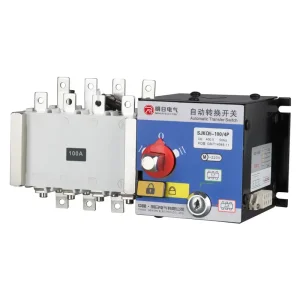
In building fire protection systems, emergency smoke extractors, fire pumps, and emergency egress lighting must remain energized under all circumstances. Mingri ATS units feature high-reliability electromechanical interlocking and silver-alloy contacts that withstand severe short-circuit currents without welding, ensuring instant, seamless transfer from main grid supplies to backup diesel gensets or battery energy storage systems.