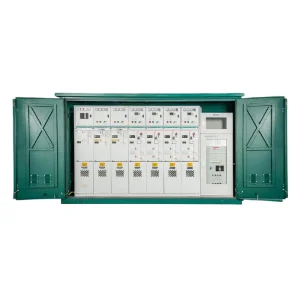
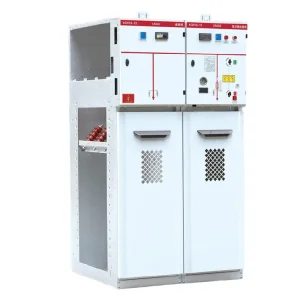
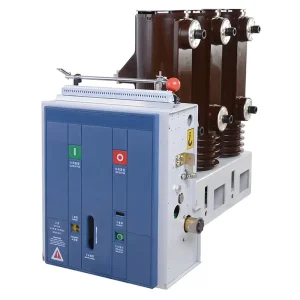
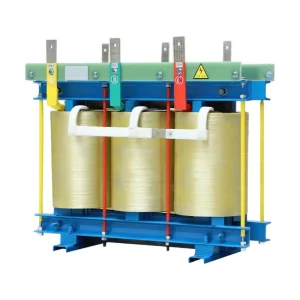
Integrated Electrical Distribution & Circuit Switchgear
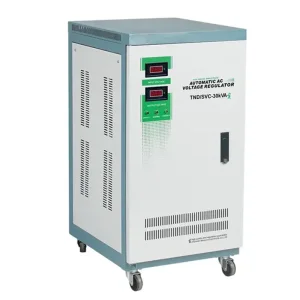
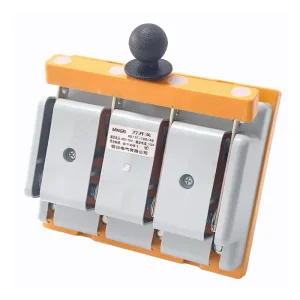
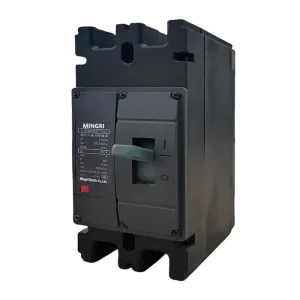
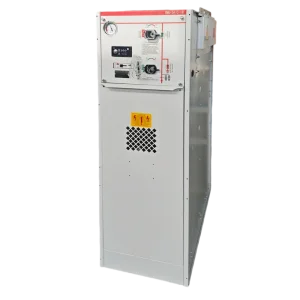
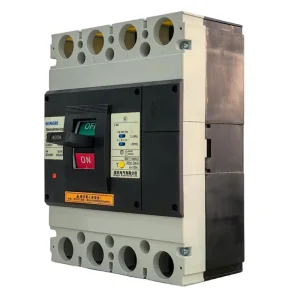
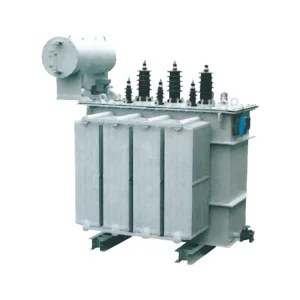
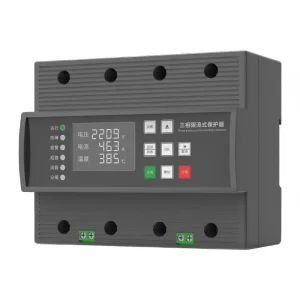
Explore high-performance protection components, isolation switches, transformers, and industrial circuit breakers designed to seamlessly integrate with central PV arrays and distribution substations.
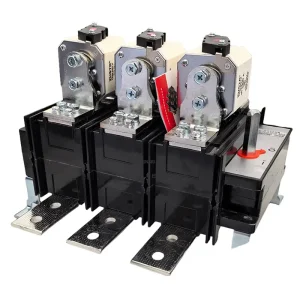
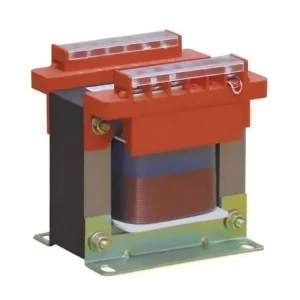
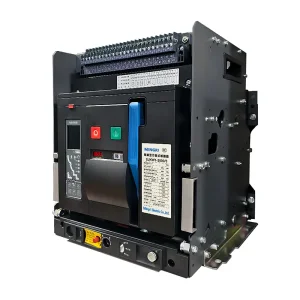
Architecting Resilient DC Photovoltaic Balance-of-System (eBOS)
In utility-scale solar generation, the Photovoltaic Combiner Box serves as the frontline nexus where high-voltage DC string outputs consolidate before inverter transformation. Our OEM engineering services provide tailored circuit reliability, continuous telemetric visibility, and fail-safe overcurrent interruption.
1500V DC Insulation & Arc Quenching
Modern utility projects mandate 1500V DC topologies to minimize balance-of-system wiring losses and enhance overall invertor throughput. However, elevated direct current operating voltages present severe challenges in electric arc sustained discharge. Our boxes incorporate DC-PV2 rated load break disconnect switches and dedicated gPV fuses calibrated precisely for high $L/R$ time-constant fault clearance.
- Rated insulation voltage $U_i$ up to 1600V DC
- Arc chute magnetic splitters for lightning-fast extinction
- Silver-plated busbars with high thermal dissipation margins
Intelligent String Monitoring Telemetry
Operational optimization in expansive solar parks demands continuous visibility over localized performance degradation, module soiling, and shadow shading. We integrate multi-channel Hall-effect current transducers and precision voltage monitoring units that interface seamlessly with central SCADA infrastructures via standard industrial protocols.
- Modbus-RTU over RS-485 and wireless LoRaWAN compatibility
- Sub-0.5% current sensing error across -30°C to +75°C
- Internal ambient & terminal temperature warning thresholds
Coordinated Transient Surge Protection (SPD)
Exposed ground-mount solar arrays are prime targets for direct and indirect atmospheric lightning strikes. Our OEM designs embed pluggable Type 1+2 or Type 2 certified DC surge protection devices equipped with thermal disconnectors, remote signal failure dry contacts, and high discharge capabilities ($I_{max}$ up to 40kA/string or 100kA total).
- Varistor-spark gap hybrid topologies prevent leakage current
- Zero fire propagation through fail-safe thermal mechanical trips
- Visual status flags: Green (Operational) / Red (Replacement Needed)
Next-Generation Innovations in Photovoltaic Junction Systems
As global levelized cost of energy (LCOE) targets compress, combiner box engineering is transitioning from passive junction housings to smart, edge-computing nodes capable of predictive diagnostics, rapid shutdown compliance, and bidirectional protection.
AI Arc-Fault Detection (AFCI)
Compliant with UL 1699B and IEC 63027 standards, our next-generation controller boards implement high-speed DSP frequency spectral analysis to identify micro-arcs in solar arrays within 100ms, immediately tripping the integrated shunt-release switchgear to eliminate fire hazards.
PLC Direct Inverter Comms
By eliminating dedicated RS-485 communication cabling through DC Power Line Communication (PLC), project EPCs capture massive trenching, copper, and installation cost reductions. Telemetric signals piggyback directly over the high-voltage DC power bus with robust SNR filtering.
Anti-PID Remediation Nodes
Potential Induced Degradation (PID) degrades crystalline silicon panel yields over time. Modern intelligent combiner units can incorporate night-time voltage bias generators that automatically apply a reverse potential to panels, reversing sodium ion migration and restoring cell yield capacity.
Eco-Enclosure Materials
Transitioning toward recyclable thermoset polycarbonates and halogen-free fiber-reinforced polyesters (FRP) that deliver extreme UV resistance (UL 746C f1 rated), IK10 mechanical impact protection, and low embodied carbon footprints aligned with global ESG procurement mandates.
Application-Specific Engineering for Mission-Critical PV Environments
No two solar generation sites share the same environmental stress vectors. Our custom OEM manufacturing tailors thermal dynamics, enclosure chemistry, and protection schemas to match distinct project conditions.
Desert & High-Ambient Solar Farms
For installations in the Middle East, North Africa, and Australia where ambient temperatures exceed 50°C and solar irradiance is extreme, passive internal overheating can cause nuisance fuse blowing. We engineer patented natural convection thermal shields, breather vent plugs that prevent internal condensation without sacrificing IP66 seal integrity, and derating-free electrical components rated for continuous +70°C operation.
Coastal & Offshore Floating Solar (FPV)
Salt spray, sustained 95%+ relative humidity, and aggressive chemical mist accelerate electrochemical oxidation of copper and steel. We supply custom marine-grade 316L stainless steel or glass-reinforced SMC/FRP enclosures meeting ISO 12944 C5-M extreme marine corrosion resistance. All internal busbars undergo heavy electro-tin plating, and cable glands maintain IP68 submersion resilience.
Commercial Rooftop & Industrial Microgrids
Rooftop environments require strict compliance with fire codes, rapid shutdown mandates (NEC 690.12), and compact installation profiles. We design ultra-slimline combiner boxes equipped with motorized remote-trip disconnects that tie directly into building management systems (BMS) and local fire service alarm emergency controls.
| Feature Parameter | Utility-Scale 1500V DC Series | C&I High-Density 1000V Series | Floating / Marine C5-M Series |
|---|---|---|---|
| Max Input Strings | Up to 36 Channels | 8 to 16 Channels | 12 to 24 Channels |
| Enclosure Material | Cold-Rolled Steel (C4) / FRP | Impact-Resistant Polycarbonate | 316L Stainless Steel / SMC Polyester |
| Surge Protection Level | Type 1+2 Hybrid, $I_{total}$ 100kA | Type 2 Certified, $I_{max}$ 40kA | Type 1+2 Heavy Duty Galvanic Isolated |
| Ingress / Impact Rating | IP65 / IK08 - IK10 | IP65 / IK08 | IP66/67 / IK10 |
| Operating Temperature | -35°C to +70°C (Derating Free) | -25°C to +60°C | -40°C to +75°C (Desiccant Venting) |
| Smart Telemetry | Hall Effect Modbus-RTU / LoRaWAN | Integrated Shunt / Wireless WiFi | Isolated Dual-Channel RS-485 |
Supply Chain Resilience & Advanced Factory Automation
Located in Yueqing, Zhejiang—the epicenter of global electrical apparatus manufacturing—our smart facility blends automated lean production lines with strict digital quality traceability systems.
Automated Harnessing & Ultrasonic Welding
Manual wiring errors represent the leading cause of field failures in solar balance of system. Our factory deploys computerized wire cutting, stripping, and automated ferrule crimping stations with continuous pneumatic pressure feedback, ensuring consistent pull-force tolerances exceeding IEC standards.
100% Automated Optical & Dielectric QA
Prior to packing, every single combiner box is routed through an automated test cell for high-voltage insulation withstand testing (Hi-Pot at 3500V DC for 60 seconds), automated optical inspection (AOI) for torque-seal verification, and thermal burn-in inspection under simulated full load.
Vertically Integrated Raw Supply
By producing critical internal sub-assemblies—such as copper busbars, DC fuse blocks, isolator switch assemblies, and precision sheet metal enclosures—in-house, we insulate international buyers from component shortages, ensuring unmatched lead times of 2 to 3 weeks on high-volume runs.
Global EPC Sourcing Checklist: Ensuring Long-Term Bankability
Evaluating an OEM combiner box supplier requires cross-referencing safety credentials, design flexibility, and documentation rigor. Here is how international engineering and procurement teams evaluate our solutions.
Harmonized Certifications
Our combiner boxes and internal switch components are certified in accordance with IEC 61439-2 (Low-voltage switchgear assemblies), IEC 60269-6 (gPV fuses), IEC 61643-31 (Surge protective devices for PV), UL 1741, CE Low Voltage Directive (LVD), and RoHS environmental standards.
Bespoke CAD / 3D Layout Customization
We supply client-specific STEP / DWG models within 48 hours of single-line diagram (SLD) receipt. Customize cable gland knockouts (MC4 connectors, IP68 PG glands, or pre-wired copper whips), enclosure dimensions, mounting bracket profiles, and branded OEM silk-screening.
Project Bankability & FAT Support
We furnish complete Factory Acceptance Testing (FAT) documentation, third-party type test certificates from DEKRA, TUV, and Intertek, batch serial tracking barcodes, and dedicated remote high-definition video inspection services for overseas project engineers.
Accelerate Your Solar RFQ Engineering Process
Send your project's single-line diagram (SLD), DC voltage tier (1000V vs 1500V), string channel counts, and environmental requirements to our senior application engineering group for instant Bill of Materials (BOM) optimization and factory-direct pricing.
Request OEM Technical ConsultationTechnical & Commercial FAQ: PV Combiner Box Manufacturing
Authoritative technical answers to common queries submitted by solar EPCs, system integrators, electrical engineers, and balance-of-system project managers.
What is the fundamental difference between 1000V and 1500V DC PV combiner boxes?
The primary differentiation lies in creepage and clearance distances, insulation dielectric strength, switchgear arc extinguishing capabilities, and component ratings. 1500V systems enable 50% longer string lengths, reducing the total count of combiner boxes, trenching, and cable runs across a utility solar plant. However, 1500V architecture requires higher-rated gPV fuses (rated up to 1500V DC vs 1000V DC), heavy-duty DC load-break disconnect switches, and enhanced Type 1+2 surge protective devices capable of safely handling higher system open-circuit voltages ($V_{oc}$).
Should our design utilize fuses on both the positive and negative poles?
Under international standards (such as IEC 62548 and NEC 690), if the solar array is ungrounded (floating)—which is the standard configuration in modern utility-scale plants utilizing transformerless central inverters—fuses must be installed on both positive and negative poles of each string input. This ensures complete short-circuit fault isolation irrespective of where an earth fault occurs along the string line. For functionally grounded arrays, fusing only the ungrounded conductor may be permissible under specific local electrical codes.
How does the smart monitoring card communicate with plant SCADA systems?
Our smart telemetry boards feature galvanic isolated RS-485 interfaces utilizing standard Modbus-RTU protocol, allowing daisy-chaining up to 32 combiner boxes per bus segment back to local data loggers. The telemetry unit reports per-string real-time DC current, total bus voltage, internal box temperature, SPD status flags, and disconnect switch aux-contact states. Optional LoRa wireless, ZigBee, or DC Power Line Communication (PLC) modules are also available for retrofits or installations seeking to eliminate auxiliary data cabling.
Which enclosure material is best: Polycarbonate, Sheet Steel, or GRP/FRP?
The optimal selection depends entirely on the operational environment. Polycarbonate is lightweight, non-conductive, and cost-effective for small-to-medium C&I rooftop installations. Cold-rolled powder-coated sheet metal (SPCC with C4 anti-corrosion coating) provides exceptional mechanical durability and electromagnetic shielding for utility-scale ground arrays. Glass-Reinforced Polyester (GRP/FRP) or 316L Stainless Steel is non-negotiable for harsh chemical plants, coastal shores, and floating solar (FPV) environments where salt-mist corrosion class C5-M applies.
How are temperature rise and condensation controlled within the enclosure?
PV combiner boxes are frequently subjected to intense thermal cycling between scorching solar noon days and freezing nights. Our designs integrate bidirectional ePTFE breathable vent valves that equalize internal and external atmospheric pressure while blocking moisture ingress (maintaining IP66). For extreme ambient regions, we utilize sun-shielding double-roof thermal deflectors, calculate internal busbar cross-sections with conservative current-density limits ($<2.0 A/mm^2$), and employ high-temperature rated components tested to +70°C without nuisance thermal tripping.
What is the typical lead time for custom OEM/ODM production runs?
Engineering CAD layouts and schematic approval packages are typically finalized within 48 to 72 hours of RFQ acceptance. Standard prototype runs require 7 business days. For volume container shipments (e.g., 50 to 300 combiner boxes for a 50MW - 100MW project phase), our automated Yueqing production facility operates on a standard lead time of 15 to 25 business days, backed by comprehensive pre-shipment FAT reports and third-party inspection access.
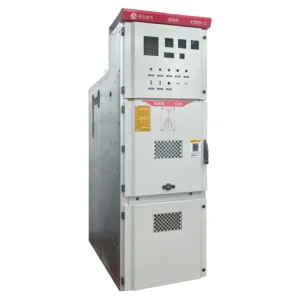
Medium-Voltage Substation Equipment & Switchgear Integration
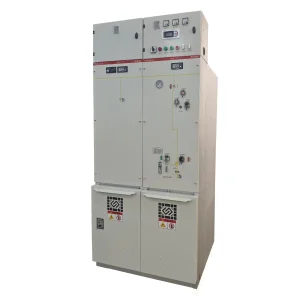
Complete your electrical balance-of-plant infrastructure with our medium-voltage switchgear, vacuum interrupters, step-up transformers, and automatic voltage regulators engineered for utility grid interconnects.