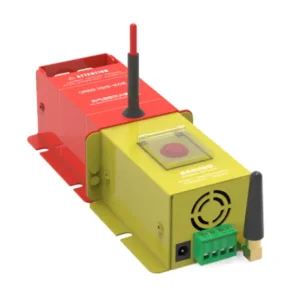
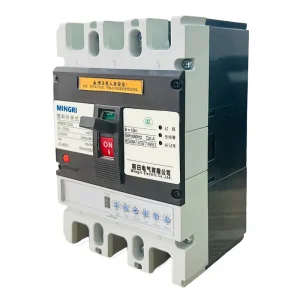
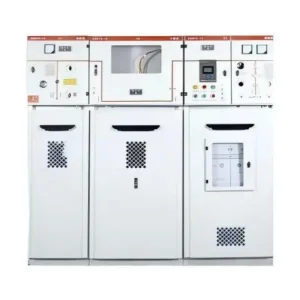
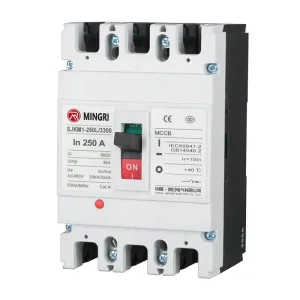
⚙️ Core Power & Substation Apparatus Portfolio
Engineered to international standards (IEC 62271-202, GB/T 17467), our factory-built components guarantee maximum operational reliability for compact secondary distribution networks.
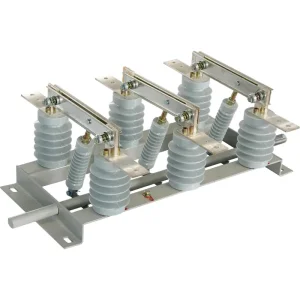
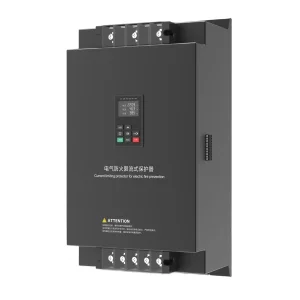
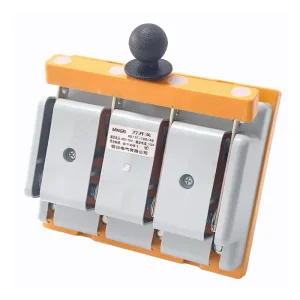
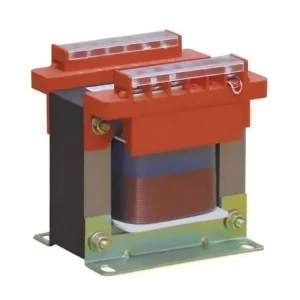
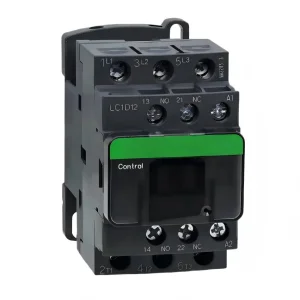
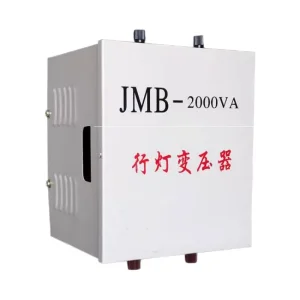
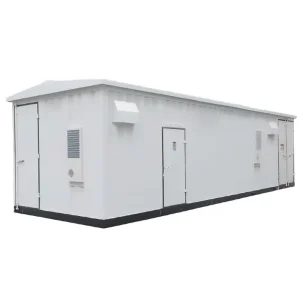
📊 Global Industrial Landscape of YB12 Substations
As the international power sector accelerates towards decentralized microgrids and resilient distribution topologies, the 12kV prefabricated substation has evolved from a passive housing structure into a high-density, automated node.
Grid Modernization Directives
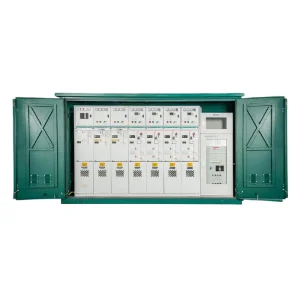
Global utilities are rapidly phasing out sprawling brick-and-mortar masonry substations in favor of modular, compact prefabricated solutions. The YB12 series integrates high-voltage switchgear (such as SM6, RM6, or XGN15), high-efficiency distribution transformers (oil-immersed hermetically sealed or cast-resin dry type), and low-voltage switchboards within a unified footprint.
This prefabricated architecture shortens civil commissioning lead times by over 60%, delivering turn-key energization for urban electrification, infrastructure retrofits, and remote mining sites.
Renewable Energy Surge
The global surge in utility-scale solar photovoltaic (PV) plants, energy storage systems (BESS), and on-shore wind farms demands robust medium-voltage step-up stations capable of withstanding extreme environmental fluctuations.
Our YB12 designs accommodate custom step-up configurations, harmonic filtering equipment, bi-directional energy metering, and dynamic VAR compensation, facilitating seamless integration with fluctuating inverter-based renewable resources.
Standardized Safety Protocols
High population densities in metropolitan centers demand uncompromising public and operator safety. The YB12 enclosure is engineered strictly under IEC 62271-202 criteria, featuring internal arc containment classification (IAC-AB) rated up to 20kA/1s.
Equipped with mechanical interlocks, pressure relief flaps, and multi-point secure latching, our substations safeguard operating personnel and urban pedestrians against severe internal fault anomalies.
📐 YB12 Architecture & Technical Specifications
A rigorous examination of electrical, thermal, structural, and control parameters that distinguish Mingri Electric's YB12 manufacturing processes.
| Parameter / Structural Attribute | Standard Specification | High-Specification / Custom Option | Operational Value |
|---|---|---|---|
| Rated Operational Voltage (Ur) | 12 kV (50/60 Hz) | Configurable for 7.2 kV – 15 kV | Ensures universal grid synchronization across IEC territories. |
| Rated Insulation Level (1.2/50µs / 1min) | 42 kV / 75 kV (Peak) | 48 kV / 85 kV (Peak) | Robust dielectric clearance resisting transient lightning and switching surges. |
| Transformer Hosting Capacity | 100 kVA – 1600 kVA | Up to 2500 kVA with forced cooling | Accommodates dry-type (SCB10/11/13/14) or oil-immersed (S11/S13/S20/S22). |
| Enclosure Protection Class | IP43 (Outdoor Compartment), IP2X (Internal) | IP54 / NEMA 3R (Tropicalized / Coastal) | Prevents ingress of blowing sand, driving rain, and corrosive aerosols. |
| Internal Arc Classification (IAC) | IAC-A 20kA 1s | IAC-AB 20kA 1s (Operator + Public Protection) | Top or base pressure relief routing away from access corridors. |
| Enclosure Materials | Galvanized Steel, Composite Al-Zn Plate | Marine-Grade 316 Stainless Steel / GRC Concrete | Class C4 to C5-M anti-corrosion rating for extreme marine environments. |
| Thermal Enclosure Class | Class 10 (IEC 62271-202) | Class 5 (Ultra-low temperature rise design) | Guarantees transformer operating life by optimizing passive natural draft airflow. |
| SCADA & Automation Protocols | Modbus RTU, Dry Contacts | IEC 61850, IEC 60870-5-104, DNP3 | Enables comprehensive automated telemetry, remote feeder switching, and diagnostics. |
🏙️ Localized Application Scenarios
Our engineered YB12 modular packages adapt effortlessly across diverse topological and environmental conditions worldwide.
Urban Densification
Commercial districts and high-density residential developments require aesthetic harmony, quiet acoustic performance (<48 dB), and negligible physical presence.
- Landscape integration with bespoke external claddings.
- Double-layer noise-dampening acoustic louvers.
- Integrated low-voltage metering panels for multi-tenant billing.
Heavy Industrial Sites
Petrochemical complexes, metallurgical processing facilities, and manufacturing plants present severe dust, vibration, and continuous inductive motor loads.
- High-fault level vacuum circuit breakers with motor mechanisms.
- Pressurized positive-pressure filtered air systems.
- Harmonic suppression and reactive power capacitor banks.
Photovoltaic Step-Up
Utility-scale solar farms require cost-effective, rapidly deployable substations to elevate inverter output voltage (e.g., 400V/690V/800V) to 12kV distribution level.
- Dual-winding or split-phase transformer pairing.
- Direct fiber-optic integration with central SCADA farms.
- Aerosol and automatic gas fire-suppression modules.
Transit & Infrastructure
Electrified railways, highway tolling centers, and major logistics hubs necessitate redundant dual-power source auto-transfer mechanisms.
- Fast automatic transfer switch (ATS) integration.
- Remote tripping via under-voltage and shunt release units.
- Enhanced seismic-resistant frame anchorings.
🚀 Technological Roadmap: The AI & IoT Substation
Transitioning from periodic preventive maintenance to autonomous, condition-based, AI-driven predictive asset management.
Continuous Thermal & PD Monitoring
Every critical busbar joint, cable termination, and transformer bushing is equipped with passive, non-invasive wireless SAW (Surface Acoustic Wave) temperature sensors and ultra-high frequency (UHF) partial discharge (PD) detectors.
Sudden localized micro-discharges or ohmic resistance heating are spotted weeks before dielectric failure occurs, eradicating unexpected feeder lockouts.
Edge Intelligence & Autonomous Control
Onboard RTUs (Remote Terminal Units) running specialized micro-firmware process power-quality telemetry locally. By leveraging high-speed transient fault oscillography, the YB12 identifies downstream intermittent earth faults.
The substation automatically re-routes loops via motorized RMU load break switches within <100ms, minimizing the System Average Interruption Duration Index (SAIDI).
Eco-Gas & Solid Dielectric Switchgear
In accordance with stringent international F-Gas regulations, Mingri Electric's YB12 substations can be populated with SF6-free Ring Main Units, utilizing dry-air synthetic insulation or solid epoxy shielding (GXGN-12 / HBXGN-12 series).
This guarantees an absolute zero Global Warming Potential (GWP) footprint while maintaining the compact physical dimensions of traditional gas-insulated gear.
🏭 Engineering Excellence & Turn-Key Deployment
Mingri Electric’s precision manufacturing capabilities ensure end-to-end quality assurance from raw metal stamping to comprehensive load testing.
CNC Robotic Enclosure Fabrication
Enclosures are fabricated using automated fiber-laser cutting stations, CNC punch presses, and multi-axis bending centers. All metal sheets undergo an eight-stage pre-treatment wash before automated electrostatic thermoset powder-coating, achieving superior salt-spray corrosion resistance exceeding 1,000 hours.
Comprehensive Type-Testing
Every YB12 production series undergoes verification under accredited laboratory witnessing: temperature-rise limits, mechanical endurance (M2 class switches), short-time withstand current, insulation levels, and degree of ingress protection.
Turn-Key Modular Commissioning
Pre-wired, pre-tested, and factory-parameterized before containerized shipping. Once on-site, civil teams simply anchor the unit onto the concrete foundation trench, terminate primary medium-voltage cables and low-voltage trunk lines, and initiate energization.
❓ Frequently Asked Questions (FAQ)
Authoritative technical insights to support procurement officers, design consultants, and electrical EPC contractors.
Q: What distinguishes European-type YB12 from American-type combined substations?
A: The European-type YB12 features completely separated compartments for High-Voltage Switchgear, Transformer, and Low-Voltage Switchboard, housed in an independent walk-in or non-walk-in insulated cabin. This allows full flexibility in equipment selection (RMUs, dry or oil transformers, comprehensive LV distribution). In contrast, American-type substations submerge the transformer core and MV switches within the same shared oil tank, offering smaller dimensions but significantly reduced operational flexibility and LV compartment capacity.
Q: How is transformer thermal management handled in enclosed outdoor YB12 cabins?
A: YB12 substations utilize dual-path natural convection aerodynamics. Air intake louvers are placed at the base, and exhaust louvers are positioned along upper eaves with labyrinths that block dust and precipitation. In high-ambient or heavy-overload regions, thermostatically controlled forced-air blowers and digital temperature controllers (PT100 embedded sensors) activate automatically when winding temperatures breach 85°C.
Q: What medium-voltage switchgear can be integrated into the YB12 MV compartment?
A: We configure our MV compartment to customer specifications. Typical configurations include SF6-insulated compact RMUs (RM6, SafeRing-12), air-insulated modular switchgear (SM6, XGN15-12), solid-insulated switchgear (GXGN-12), or vacuum circuit breaker cubicles (KYN28-12 withdrawable type). Load break switch (LBS) fuse combinations or vacuum breakers with microcomputer protection relays can be accommodated.
Q: Can the YB12 substation withstand corrosive coastal and offshore environments?
A: Yes. For severe marine conditions (Class C5-M / C5-I), we construct the outer envelope utilizing Marine-Grade 304 or 316 Stainless Steel, or Glass-Fiber Reinforced Cement (GRC). GRC provides superior thermal insulation, total corrosion immunity, high compressive strength, and architectural aesthetics blending with natural landscapes.
Q: What standard smart grid automation protocols does the YB12 support?
A: The integrated Distribution Automation Terminal (DTU/FTU) supports native IEC 61850 MMS and GOOSE messaging, IEC 60870-5-104 over TCP/IP, Modbus-TCP, and DNP3. Communication media can be selected from fiber-optic Ethernet switches, dual-SIM 4G/5G industrial cellular modems, or RS485 serial multidrop loops.
Q: What technical parameters are required from clients to initiate an accurate quotation?
A: Clients should provide the Primary Electrical Single-Line Diagram (SLD), rated capacity (kVA), incoming and outgoing cable counts, transformer type (Oil-immersed vs. Cast-resin dry), primary and secondary nominal voltages (e.g., 11kV to 415V), short-circuit rating (kA), ambient temperature extremes, elevation above sea level, and desired automation/metering scopes.
⚡ Specialized Protection, Switching & Ancillary Equipment
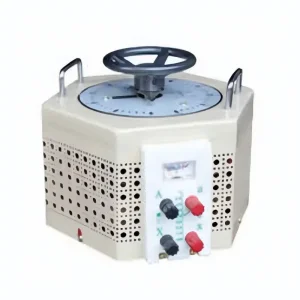
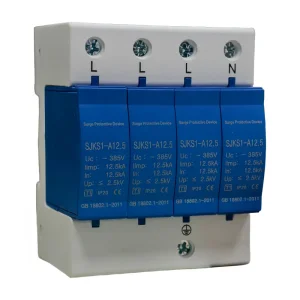
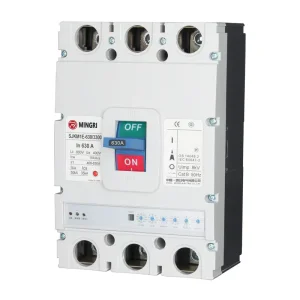
Complete your balance-of-plant distribution engineering with our certified surge arresters, circuit breakers, and auxiliary instrumentation.