Primary Medium & Low-Voltage Infrastructure
Engineered for utility-scale resilience, high-density industrial sub-distribution, and heavy inductive load switching with certified electromagnetic stability.
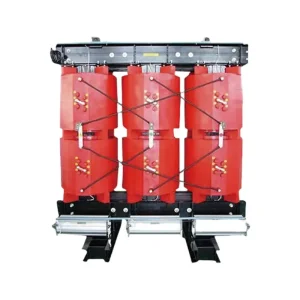
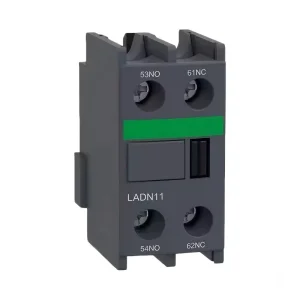
The Paradigm Shift in Voltage Stability & Dynamic Over/Under-Voltage Protection
Evaluating the convergence of microprocessor control, digital timing hysteresis, and solid-state telemetry in next-generation power protection systems.
Modern electric distribution networks are undergoing unprecedented structural changes. The worldwide penetration of non-linear loads, high-frequency photovoltaic inverters, multi-megawatt battery energy storage systems (BESS), and electric vehicle fast-charging hubs has created a volatile harmonics and transient overvoltage environment. In legacy three-phase and single-phase topologies, fixed-threshold protection devices such as conventional thermal-magnetic circuit breakers or standard metal-oxide varistor (MOV) arresters are fundamentally incapable of mitigating prolonged under-voltage brownouts, sustained micro-surges, and neutral-conductor floating faults.
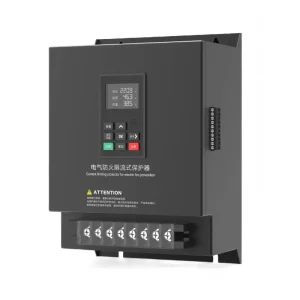
As documented by leading electrical engineering consortiums, Adjustable Voltage Protectors (AVPs)—frequently classified as Self-Recovering Over-Voltage and Under-Voltage Protectors (OUPD)—represent the authoritative critical defense tier between incoming utility feeds and delicate down-circuit mission-critical equipment. Unlike one-time surge sacrificial elements, high-tier adjustable voltage protection systems continuously monitor root-mean-square (RMS) AC voltage at microsecond intervals. When operational parameters stray beyond dynamically configured margins—such as 230V AC over-voltage spikes exceeding 275V or voltage sag plunging below 165V—the microcontroller executes an ultra-rapid mechanical disconnect within <0.1 seconds, preventing catastrophic dielectric breakdown or motor winding burnout.
When surveying high-quality adjustable voltage protector companies and manufacturing groups, EPC contractors, switchboard builders, and industrial plant operators must scrutinize not merely price-per-ampere, but foundational electromechanical robustness. Top-tier Chinese electrical clusters, notably centered around Yueqing, Zhejiang—spearheaded by engineering innovators such as Mingri Electric Co., Ltd.—have shifted the market frontier from basic analog comparator units to intelligent, edge-aware digital protection modules that feature bidirectional data logging, phase asymmetry detection, and RS485/Modbus communication capability.
Critical Architectural Advancements in Modern AVP Units
Engineered to eliminate false nuisance tripping while assuring galvanic isolation during anomalous grid fluctuations.
True RMS Microcontroller Sampling
High-speed 32-bit DSP cores evaluate true RMS voltage waveforms across 64 discrete samples per AC cycle. This completely prevents harmonic nuisance tripping caused by Variable Frequency Drives (VFDs) and non-sinusoidal inverter output waves.
Magnetic Latching Relay Mechanisms
Unlike conventional continuous-energization relays that dissipate 3–5W of parasitic heat per pole, advanced AVPs employ bistable magnetic latching relays. Coil pulses switch contact states with zero steady-state thermal signature, extending operational lifespans beyond 15 years.
Dual-Threshold Hysteresis Recovery
Configurable reset delays (1–600 seconds) coupled with voltage return windows (e.g., must stay stably below 250V for >5s before reconnection) safeguard heavy motor compressors and chiller chillers from damaging rapid restart cycles.
Neutral Loss & Floating Phase Security
Neutral wire rupture in three-phase four-wire networks shifts the neutral point, subjecting 220V branch devices to phase-to-phase 380V–415V devastation. High-precision AVPs trigger instant microsecond disconnection upon neutral shift detection.
Coordinated Upstream/Downstream Selectivity
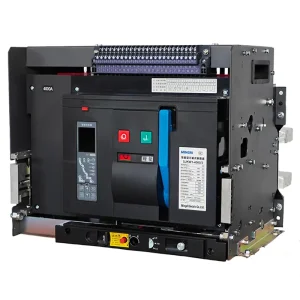
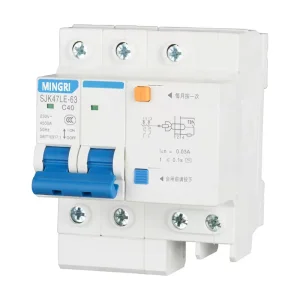
Calibrated to coexist seamlessly with upstream Air Circuit Breakers (such as the W1 Intelligent ACB) and downstream Miniature or Earth Leakage Circuit Breakers (such as SJK47LE-63 RCCB), ensuring fault isolation without total panel blackout.
Flame-Retardant UL94-V0 Housing
Enclosures cast from high-temperature polybutylene terephthalate (PBT) and high-impact polycarbonate provide ultimate resistance to arc flash tracking, glow-wire ignition (>960°C), and harsh industrial chemical atmospheres.
Comparative Technical Benchmark: AVP vs. Legacy Protection
Detailed electrical parameters demonstrating performance differences between microprocessor adjustable units and traditional protective topologies.
| Evaluation Parameter | Microprocessor Adjustable Voltage Protector | Fixed MOV Surge Protector (SPD) | Standard Thermal-Magnetic MCB/MCCB | Electromechanical Voltage Relay |
|---|---|---|---|---|
| Over-Voltage Disconnect Threshold | Digitally User-Adjustable (230V – 300V AC) | Clamping Voltage Only (> 430V Peak) | No Overvoltage Detection Capability | Coarse Potentiometer (±10% Drift) |
| Under-Voltage Brownout Trip | Digitally User-Adjustable (140V – 210V AC) | Inoperative on Under-Voltage | Inoperative on Under-Voltage | Slow Drop-Out (Prone to Chatter) |
| Trip Disconnection Velocity | < 0.1 seconds (Instantaneous) | Nanosecond Clamp (Does not disconnect) | Thermal (Seconds to Minutes) | 150ms – 500ms Mechanical Delay |
| Self-Healing Auto-Reclose Function | Programmable Digital Delay (1s – 600s) | None (Requires Manual MOV Replacement) | Manual Reset Required | Mechanical Reset (Uncalibrated Delay) |
| Neutral Wire Rupture Immunity | Instant Cut-Off on Phase-Shift Fluctuation | Catastrophic MOV Thermal Runaway Risk | None (Passes 400V to 230V Appliances) | Partial / Coil Overheating Risk |
| Visual Parameter & Fault Display | Real-Time Digital LED/OLED (V, A, kWh) | Flag Indicator (Red/Green Window) | Handle Position Only | None / Analog Needle Scale |
| Total Cost of Ownership (TCO) | Lowest (Zero Consumables, Self-Resetting) | Moderate (Cartridge Replacement Costs) | Low (Zero Voltage Protection Provided) | High (Frequent Recalibration & Wear) |
For international utility developers, EPC engineering leaders, and multi-facility industrial conglomerates, procuring from qualified manufacturers demands strict scrutiny of type-test documentation. The transition toward automated manufacturing lines in Yueqing enables precision calibrating robots to test each unit under dynamic thermal chamber profiles (-25°C to +70°C), assuring zero parameter drift over extended service lifecycles.
Macro Industry Applications & Coordinated Power Architectures
Seamless synchronization between medium-voltage gas/air-insulated switchgear, step-down substations, and low-voltage end-point protection panels.
Adjustable voltage protection devices cannot operate in isolation. In mission-critical facilities—such as semiconductor cleanrooms, hyperscale cloud data centers, petrochemical refineries, and utility-scale solar farms—protective coordination requires a holistic, multi-tiered hierarchy spanning the primary medium-voltage intake down to individual Din-rail terminal racks:
Renewable Inverter Step-Up Substations
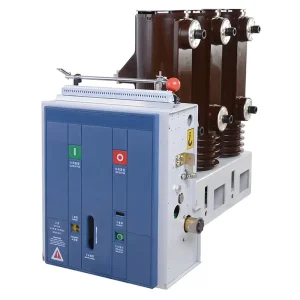
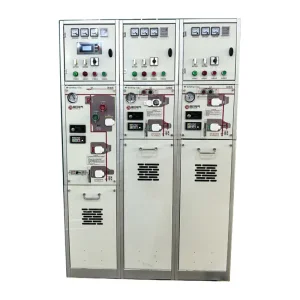
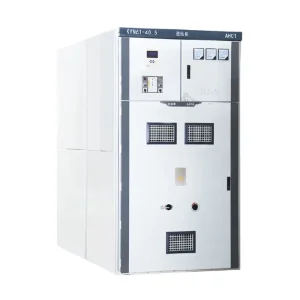
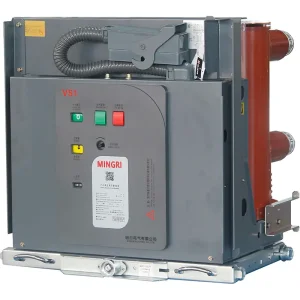
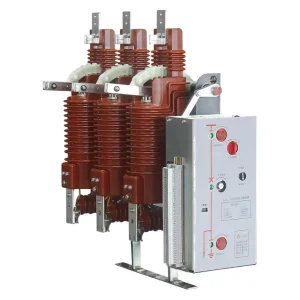
Solar PV and battery installations experience severe transient overvoltages during anti-islanding disconnects or inverter tripping. Upstream medium-voltage switchgear (such as the MR-SafeRing-12 or KYN61-40.5) handles feeder isolation, while low-voltage AVP arrays shield local auxiliary control cabinets, MPPT tracking computers, and SCADA telemetry units from voltage back-surges.
Industrial Plants & Motor Control Centers
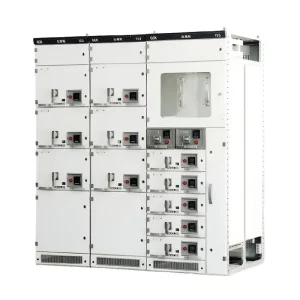
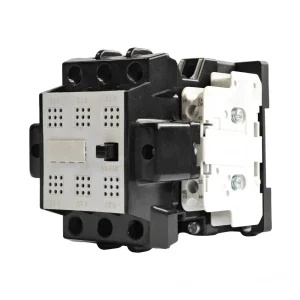
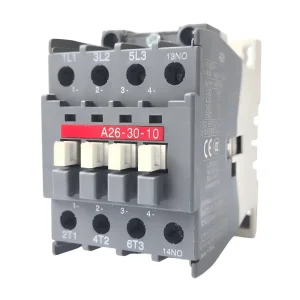
Heavy inductive machinery (extruders, stamping presses, arc furnaces) creates substantial inductive back-EMF spikes during shutoff. In GCK and GCS low-voltage withdrawable switchgear panels, three-phase AVPs directly govern contactor coils (such as CJX1 and A9~300 Series) to drop the load safely before transient voltages enter control PLC power supplies.
Data Centers & Telecommunication Hubs
Continuous uptime requires zero phase unbalance. AVPs configured with strict 5% phase-voltage deviation triggers prevent neutral-conductor thermal runaway in server racks, instantly alerting the building automation system via dry contacts or RS485 Modbus while switching over to secondary ATS backup feeds.
To ensure total reliability, reputable manufacturers verify coordination curves by performing simulated lightning impulse tests (1.2/50µs up to 6kV) and high-current short-circuit withstand tests in certified high-power laboratories. This guarantees that an AVP will survive intense through-fault currents until upstream branch circuit breakers clear the ground or phase fault.
Regulatory Compliance & Engineering Assurance Frameworks
Rigorous international validation criteria that distinguish world-class power apparatus manufacturers.
IEC / EN 60947-2 & Annex M Standards
Universal low-voltage switchgear compliance demanding strict dielectric clearances, creepage distances, and guaranteed opening of the primary air gap under severe sustained fault voltages.
Electromagnetic Compatibility (EMC)
Full immunity against electrostatic discharges (IEC 61000-4-2 Level 4), radiated RF fields (IEC 61000-4-3), and electrical fast transient bursts (IEC 61000-4-4) to eliminate spurious tripping.
Localization & Severe Climate Testing
Salt spray chamber resistance (ASTM B117) exceeding 500 hours for coastal/marine operations, high-altitude dielectric derating calculations up to 3,000 meters above sea level, and customized multi-language HMI interfaces.
Engineering Assurance at Mingri Electric
Operating strictly under ISO 9001 (Quality), ISO 14001 (Environmental Management), and ISO 45001 (Occupational Safety) certified protocols, Mingri Electric maintains full-spectrum traceability across incoming raw contact silver alloys, automated Surface-Mount Technology (SMT) pick-and-place precision soldering, and automated robotic end-of-line functional calibration. Overseas engineering teams benefit from 24/7 technical hotlines, rapid CAD/BIM drawing turnarounds, and single-line diagram (SLD) optimization to ensure compliant project tenders worldwide.
Technical Roadmap: Next-Generation Solid-State & AI-Driven Protection
Projected development phases through 2026–2030, transforming electromechanical breakers into intelligent edge nodes.
Specialized Protection, Conversion & Switching Apparatus
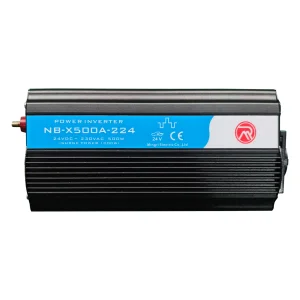
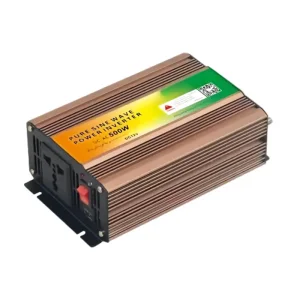
Precision-engineered electrical switchgear, high-efficiency inverters, intelligent breakers, and heavy industrial contacts for complete system integrity.
Frequently Asked Questions: Industrial Voltage Protection
Comprehensive engineering insights addressing system design, trip parameters, and procurement specifications.
Partner with Tier-1 Electrical Equipment Manufacturers
Connect with our technical application engineering team to evaluate single-line diagrams, review customized AVP setpoints, or coordinate comprehensive medium-and-low voltage switchgear project packages.