Standby Power Infrastructure: Upstream Protection & Step-Down Units
A dependable Standby UPS installation relies on precision moulded case breakers, vacuum interrupting units, and dry-type transformers to ensure seamless transfer and fault isolation.
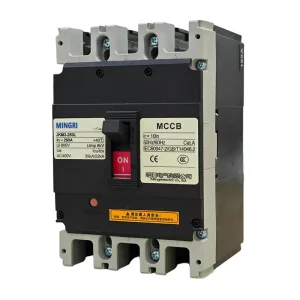
ODM China SJKM3 MCCB Moulded Case Circuit Breaker Supplier - Factory-Direct Overload Protection
View Specifications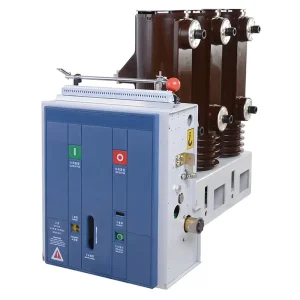
China VS1-12C Indoor High-Voltage Side-Mounted Vacuum Circuit Breaker Suppliers and Factory
View Specifications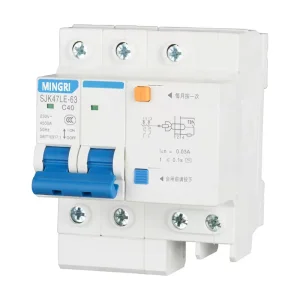
High-Quality SJK47LE-63 Residual Current Circuit Breaker RCCB Companies, Company
View Specifications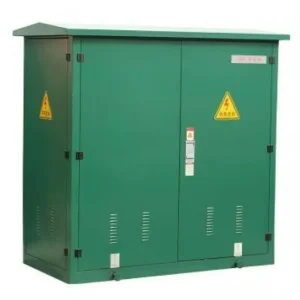
ODM ZGS11-H(Z) Combined Transformer Manufacturers, Company
View Specifications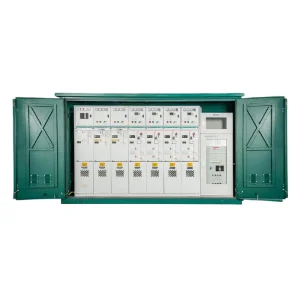
OEM High Voltage Outdoor Intelligent Switch Box - China Factory Suppliers for Distribution Solutions
View Specifications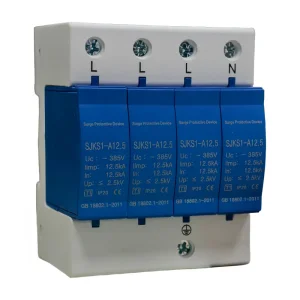
ODM SJKS1D Series Surge Protection Device 1P-4P 50Hz Manufacturers, Company
View Specifications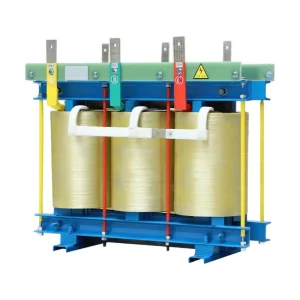
High-Quality SG(B)10 Series 10kV Non-encapsulated Coil Dry Type Power Transformer
View Specifications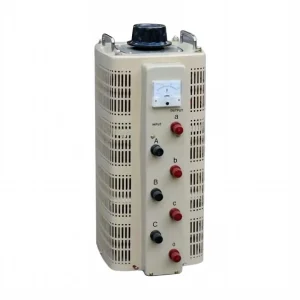
High-Quality TSGC2J Three Phase Variac Transformer Contact Regulator Supplier
View SpecificationsStandby UPS Operational Topologies: Dynamic Transfer Mechanics and Waveform Fidelity
In modern electrical distribution and mission-critical power architectures, the Standby UPS—classified under IEC 62040-3 as Passive Standby (VFD: Voltage and Frequency Dependent)—serves as the front-line defense against total power collapse. Unlike continuously running double-conversion (VFI) installations where power is perpetually rectified to DC and reconstituted to AC, a Standby UPS allows the primary AC mains utility to feed the connected load directly via a low-impedance filter path under nominal operating conditions. The integrated inverter and energy storage stage remain in a de-energized or idle state until primary grid metrics fall outside pre-programmed voltage, frequency, or wave-shape limits.
Transfer Time Latency & Solid-State Transfer Switch (STS) Mechanics
The paramount engineering benchmark of a Standby UPS is its transfer latency (switching time). Historically, electromechanical transfer relays incurred transfer times between 8 and 16 milliseconds—a duration that risks collapsing the DC holdup capacitors within modern Switched-Mode Power Supplies (SMPS) operating in IT equipment and automation controllers (which adhere to the ITIC / CBEMA power acceptability curve, mandating a minimum ride-through of 20 milliseconds).
Leading Chinese manufacturers, centered in the Yueqing electrical hub, have transformed this paradigm by implementing hybrid Static Transfer Switches (STS) combining anti-parallel silicon controlled rectifiers (SCRs) or insulated-gate bipolar transistors (IGBTs) alongside high-speed electromagnetic contactors. Microprocessor-driven zero-cross sensing continuously samples the utility sine wave at rates exceeding 20 kHz. When a blackout, brownout, or severe harmonic surge occurs, the detection circuitry triggers the inverter bridge within microseconds, delivering a typical break-to-make transfer time of 2 ms to 6 ms—well within the safe operational boundary of sensitive switchboards, telemetry controllers, and medical computing apparatus.
Pure Sine Wave Inverters
Advanced high-frequency PWM switching utilizes SPWM algorithms to deliver total harmonic distortion (THD) under 3% for linear loads, guaranteeing whisper-quiet motor operation and seamless integration with PFC equipment.
Integrated Multi-Stage MOV Protection
Incorporates Type 2 & Type 3 surge suppression arrays (up to 40 kA, 8/20 μs waveform) utilizing zinc oxide varistors and gas discharge tubes directly synchronized with upstream circuit protection.
Micro-Inverter Dynamic Boost
Select industrial units feature an internal autotransformer tap-changer (AVR boost/buck stage), compensating for utility undervoltages of -25% without draining battery capacity.
Technical Topology Comparison Matrix
To select the appropriate backup equipment for industrial automation and infrastructure facilities, engineers must evaluate topological tradeoffs between power consumption, component stress, and capital expenditure:
| Topological Category | IEC 62040-3 Class | Mains Efficiency | Transfer Latency | Output Waveform | Primary Use Cases |
|---|---|---|---|---|---|
| Standby (Offline) UPS | VFD (Voltage & Frequency Dependent) | 98.0% – 99.2% | 2 – 8 ms | Stepped or Pure Sine Wave | Edge RTUs, PLC panels, telecom CPE, POS, non-critical commercial circuits |
| Line-Interactive UPS | VI (Voltage Independent) | 96.0% – 98.0% | 2 – 4 ms | Pure Sine Wave | Distributed IT networks, departmental servers, mid-tier laboratory instrumentation |
| Online Double-Conversion | VFI (Voltage & Frequency Independent) | 92.0% – 95.5% | 0 ms (Seamless) | Ultra-low THD Pure Sine | Data centers, tertiary intensive care, high-voltage substation trip circuits |
Technology Roadmap & Future Horizons: The Silicon & Chemistry Evolution
Examining the transition toward wide-bandgap semiconductors, safe lithium iron phosphate chemistries, and AI-enabled edge telemetry.
Silicon Carbide (SiC) & GaN Switching Bridges
The replacement of traditional silicon MOSFETs with Gallium Nitride (GaN) and Silicon Carbide (SiC) switches enables inverter switching frequencies above 100 kHz. This yields a 50% volumetric reduction in passive magnetic components (chokes, isolation transformers), minimizes cooling requirements, and slashes total internal losses by up to 40%.
Transition from VRLA to LiFePO4 & Na-Ion
Valve-Regulated Lead-Acid (VRLA) batteries suffer from limited calendar life (3-5 years) and extreme thermal sensitivity. Next-generation Chinese Standby UPS hardware integrates Lithium Iron Phosphate (LiFePO4) and emerging Sodium-Ion (Na-Ion) packs, achieving 3,000+ deep discharge cycles, operating temperatures up to 55°C without degradation, and reduced footprint weight by 65%.
Cloud-Tethered AI Edge Battery Management Systems (BMS)
Cell-level telemetry continuously evaluates internal DC resistance (ESR), micro-temperature variances, and state of health (SoH). Machine-learning predictive algorithms identify dendritic growth or thermal runaway precursors weeks before hardware failure, transmitting real-time alerts through MQTT/SNMP v3 interfaces directly into SCADA networks.
Macro-Industry Solutions: Integrating Standby Power with Distribution Equipment
Standby UPS units operate not in isolation, but as vital links in an integrated electrical power safety chain. When paired with high-performance Molded Case Circuit Breakers (MCCB), Miniature Circuit Breakers (MCB), and step-down power transformers manufactured by electrical pioneers like Mingri Electric in Yueqing, China, these power solutions support critical global infrastructure across diverse industries:
1. Industrial Automation & PLC Enclosures
In modern factory environments, sudden voltage sags force Programmable Logic Controllers (PLCs), human-machine interfaces (HMIs), and fieldbus couplers to reboot, causing chaotic production line stalls. Modular Standby UPS units integrated within control panels provide instant ride-through energy. Coordinated with fast-tripping SJKM3/SJKM5 MCCBs and downstream miniature breakers, faults are isolated locally without plunging the central control bus into darkness.
2. Smart Substation Auxiliary Tripping Banks
Medium-voltage secondary distribution substations (housing KYN28-12 armored switchgear and VS1-12C vacuum circuit breakers) require dependable 110V or 220V auxiliary DC/AC supply to energize trip coils during high-voltage grid disruptions. Industrial Standby UPS systems safeguard motorized spring-charging mechanisms and automated remote terminal units (RTUs), ensuring breakers can trip safely under catastrophic short-circuit conditions.
3. 5G Small-Cell Base Stations & Edge Telco
Urban and remote cellular micro-sites face demanding environmental conditions, ranging from desert heat to tropical humidity. Compact, high-temperature LiFePO4 Standby UPS modules mounted on utility poles or within mini-shelters deliver sustained operational backup for radio units. Synchronized with Type 1+2 surge suppressors (such as the SJKS1 series), these units insulate radio gear from direct lightning strikes and switching surges.
4. Commercial Building Management & Fire Life Safety
Building Management Systems (BMS), smoke extraction damper relays, emergency egress lighting, and automated wireless fire suppression devices require uninterrupted power during utility dropouts. By utilizing high-efficiency Standby UPS systems operating at >98% normal mode efficiency, commercial high-rises drastically lower cumulative heating and parasitic HVAC load while maintaining certified code compliance.
China Factory 4.0: Yueqing’s Industrial Clustering & Supply Chain Resilience
How the world's most concentrated electrical manufacturing cluster drives cost optimization, rapid prototyping, and rigorous quality assurance.
The city of Yueqing in Zhejiang Province, China, stands as the undisputed global capital of low- and medium-voltage electrical manufacturing. What differentiates a tier-one China Standby UPS manufacturer from regional assemblers abroad is the profound hyper-localized industrial supply chain. Within a 30-kilometer radius of our manufacturing plants, our engineering ecosystem sources high-purity electrolytic copper busbars, precision laser-cut chassis enclosures, silicon steel magnetic cores, custom high-frequency transformer windings, and advanced surface-mount technology (SMT) PCBA fabrication.
Rigorous Quality Control & Testing Methodology
Industrial-grade Standby UPS units undergo stringent, multi-tiered test procedures before departure to international ports. Under certified ISO 9001, ISO 14001, and ISO 45001 quality management regimes, modern production lines incorporate automated verification protocols at every fabrication station:
- Automated Optical Inspection (AOI) & X-Ray Solder Integrity: Every SMT circuit board is digitally scanned for solder bridge anomalies, tombstoning, and micro-cracking across high-density microprocessor and MOSFET junctions.
- 100% Full-Load High-Temperature Burn-In Chambers: Assembled UPS systems are subjected to continuous 48-hour burn-in cycles at 45°C ambient temperature under dynamic 100% non-linear load switching to purge infant mortality defects.
- Dielectric Withstand & Impulse Breakdown Verification: Power pathways undergo high-potential (Hi-Pot) insulation tests up to 2.5 kV AC and standard 1.2/50 μs lightning surge impulse testing, assuring safety compliance with IEC/EN 62040-1 standards.
- Acoustic & Harmonic Waveform Fourier Analysis: Inverter outputs are verified via digital spectrum analyzers to guarantee strict compliance with harmonic current distortion limits mandated by IEEE 519 and IEC 61000-3-2.
Global Enterprise Procurement Strategy: Total Cost of Ownership (TCO) & Engineering Sizing
When specifying backup power infrastructure for municipal utilities, industrial complexes, and commercial networks, procurement managers must evaluate comprehensive metrics beyond the upfront purchase price. Sizing an industrial Standby UPS involves navigating critical electrical factors to prevent premature nuisance tripping and unexpected power dropouts:
Inrush Current Capacity & Crest Factor
Loads featuring switch-mode power supplies or inductive coils display high crest factors (often 3:1). A Standby UPS must possess robust overload handling (e.g., 125% for 10 minutes, 150% for 30 seconds) and coordinate accurately with upstream MCCBs and downstream MCBs to prevent cascade trip events.
Thermal Derating & Environmental Protection
Installations in tropical or high-altitude regions (exceeding 1000m above sea level) require deliberate thermal and air-density derating (typically 1% per 100m altitude increase). Enclosures must support ratings from standard IP20 indoor chassis to ruggedized IP54 outdoor rated kiosks with conformal PCB coating.
Communications & Smart SCADA Integration
Modern procurement guidelines reject isolated, unmonitored hardware. Equipment must natively deliver galvanically isolated dry-contact outputs, RS-485 serial buses running Modbus-RTU, and RJ-45 Ethernet ports supporting SNMP v3 and BACnet for integration into centralized building automation architectures.
Downstream Circuit Breakers, Surge Suppressors & Regulators
Complete your Standby UPS power chain with certified circuit isolation, voltage purification, and automatic fire containment hardware directly from our Yueqing manufacturing hub.
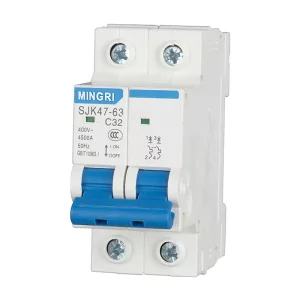
China SJK47-63 Miniature Circuit Breaker MCB DPN Manufacturers, Manufacturer
View Specifications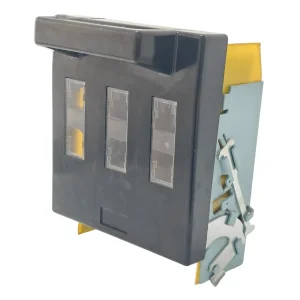
ODM HR5 Fused Disconnect Switch - Reliable Circuit Protection 100-630A Loads Factory
View Specifications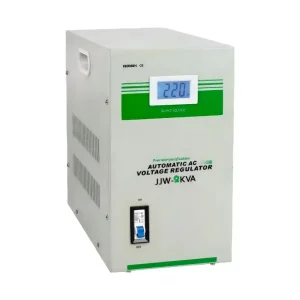
High-Quality JJW Single Phase Precise Purified Voltage Regulator Power Supply
View Specifications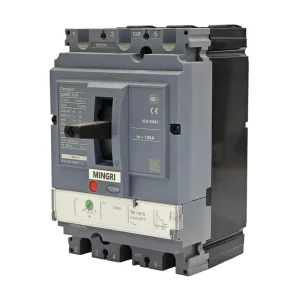
Wholesale China SJKM5 Industrial MCCB Breaker Factory - 100A-630A Short-Circuit Protection
View Specifications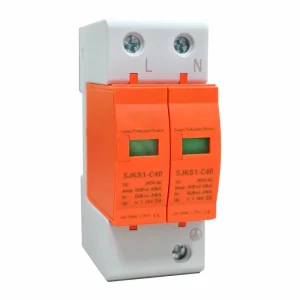
ODM SJKS1-C Series Surge Protection Device SPD 3/4P 25kA Suppliers, Company
View Specifications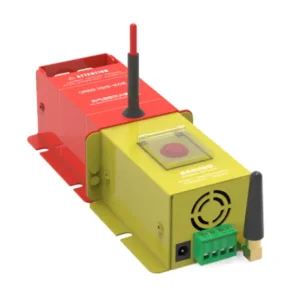
China Intelligent Wireless Automatic Gas Fire Extinguishing Device - Hot Aerosol Series
View Specifications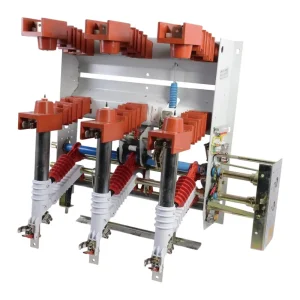
ODM High Voltage Load Breaker Switch FK(R)N12-24D - 24kV Solutions from China Suppliers
View Specifications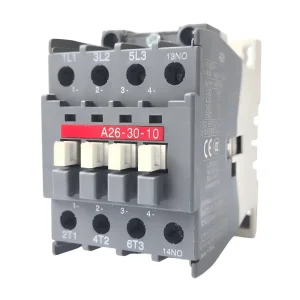
Wholesale A9~300 Series AC Contactors 50/60Hz 380V - Reliable High Performance Factory
View SpecificationsGlobal Compliance Framework, Harmonized Standards & Field Support
Navigating international trade standards requires meticulous adherence to multi-jurisdictional statutory codes. Export-grade Standby UPS systems and circuit breakers engineered by Chinese manufacturers comply strictly with international safety, electromagnetic compatibility (EMC), and environmental mandates:
IEC / EN 62040 Standard Series
Conforms to IEC 62040-1 (General and safety requirements for UPS in operator-accessible areas), IEC 62040-2 (Category C1/C2 Electromagnetic Compatibility limits), and IEC 62040-3 (Method of specifying performance and test requirements).
UL 1778 & North American Certification
Available custom variants integrate UL-recognized insulation systems, flammability rating 94V-0 printed wiring boards, and short-circuit withstand capabilities tuned to American NEC requirements and Canadian CSA guidelines.
RoHS & REACH Environmental Directives
Strict material screening guarantees absence of hazardous substances, heavy metals (lead, cadmium, mercury, hexavalent chromium), and restricted plasticizers, ensuring clean lifecycle disposal and eco-friendly recyclability across the EU and Commonwealth markets.
Beyond certifications, overseas engineering partners and EPC buyers receive direct factory backing. This includes complete Factory Acceptance Testing (FAT) reports, high-resolution video-assisted witness inspections, 3D CAD / BIM architectural models, single-line diagram (SLD) engineering validation, and 24/7 technical hotlines for commissioning assistance.
Frequently Asked Questions: Standby UPS Sourcing & Engineering
Clear, definitive answers to high-intent questions posed by global procurement managers, electrical consultants, and systems integrators.