Prefabricated Substations & Enclosed Power Units
Explore our precision-engineered packaged substations and MV outdoor enclosures designed for harsh utility conditions, photovoltaic step-up integration, and high-density urban power networks.
Substation Engineering Architecture: The Transition to Factory-Built Modular Power Hubs
Modern electrical distribution demands zero site risk, compressed commissioning cycles, and elevated internal arc resistance. As a world-class substation manufacturer, Mingri Electric redefines how energy nodes are architected, integrated, and verified.
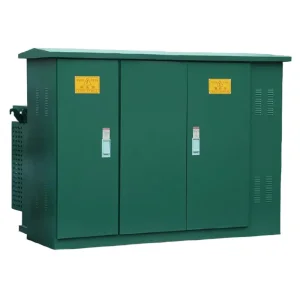
European-Type Substations (YB Series)
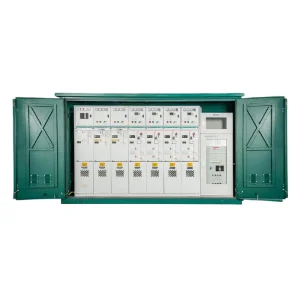
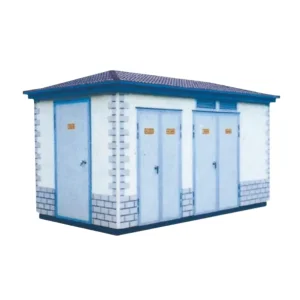
Characterized by segregated structural compartments, the European-style compact substation isolates high-voltage switchgear (such as RM6 or SM6 modular units), power transformers (oil-immersed or cast resin dry-type), and low-voltage distribution boards. Features specialized acoustic baffling, labyrinth natural ventilation, and hot-dip galvanized or GRC (Glass Fiber Reinforced Concrete) exterior enclosures to eliminate condensation and ensure 30+ year service life in public environments.
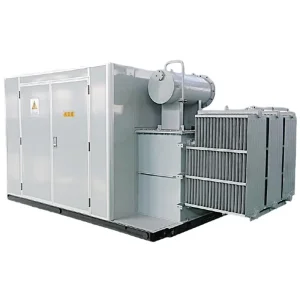
American-Type Combined Substations (ZGS Series)
Engineered around an integrated tank philosophy, the transformer core and coils share a single sealed fluid chamber with high-voltage load break switches and backup current-limiting fuses. This minimizes footprint by up to 60% compared to conventional layouts. With dead-front elbow connectors rated up to 35kV, ZGS American substations deliver touch-safe operation for underground residential distribution (URD) and commercial greenfield networks.
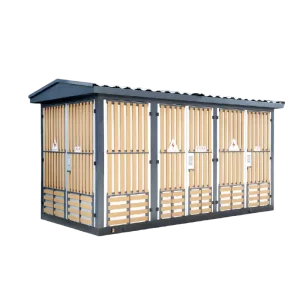
Intelligent Prefabricated E-Houses & Cabins
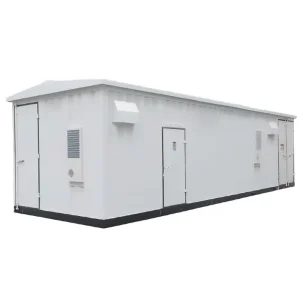
Industrial-grade, skid-mounted portable electrical buildings engineered for utility-scale solar generation, onshore wind farms, and heavy mining infrastructure. Equipped with integrated HVAC systems, aerosol fire extinguishing, environmental gas detection, and IEC 61850 process bus communication nodes. Delivered as single-lift modules with pre-installed KYN28 or GIS switchgear, substantially minimizing field labor.
Yueqing Power Cluster: The Strategic Supply Chain Advantage
Located in Yueqing, Zhejiang—the epicenter of global electrical engineering—Mingri Electric leverages full vertical integration, automated precision manufacturing, and mature component sourcing to outpace international delivery benchmarks.
Vertical In-House Integration
From CNC laser cutting and robotic welding of 2mm to 3mm Aluzinc-coated steel cabinets, to vacuum pressure impregnation (VPI) of transformers and automated winding of copper/aluminum coils, our Yueqing factories retain full operational control over quality, tolerances, and structural resilience.
Component Supply Density
Positioned within a 15-kilometer radius of specialized precision metallurgy, vacuum interrupter foundries, epoxy bushing molders, and microprocessor protection relay fabricators. This ecosystem compresses sub-assembly lead times from typical industry averages of 16 weeks down to 4 to 6 weeks.
Tailored OEM/ODM Engineering
Our specialized R&D engineering divisions adapt standard topologies into custom skids matching dual-secondary inverter requirements, high-altitude de-rating considerations (up to 4000 meters above sea level), and heavy-duty structural frames for C5-M extreme marine corrosion resistance.
Stringent Quality Governance
Operating under certified ISO 9001, ISO 14001, and ISO 45001 management regimes. Complete traceability across every heat run, partial discharge test (<10pC), dielectric breakdown voltage check, and automated circuit breaker timing sequence verification.
Global EPC & Utility Procurement Technical Matrix
Direct comparative engineering parameters across primary prefabricated substation models to assist EPC tender evaluations, consulting engineering specifications, and utility project allocations.
| Substation Model Series | Primary Voltage Range | Transformer Capacity | Switchgear Tech Included | Enclosure Ingress & Rating | Core Application Environments |
|---|---|---|---|---|---|
| YB-12 / European Series | 12 kV to 24 kV | 100 kVA – 2500 kVA | Air/Gas Insulated RMU (SM6, RM6, SafeRing) | IP54 / IP43 Compartments, IAC-AB | Municipal Grids, Residential Hubs, Commercial Complexes |
| ZGS11-12 / American Type | 12 kV to 15 kV | 100 kVA – 1600 kVA | Integral Under-oil Load Break Switch & Fuse | IP55 Hermetically Sealed Tank | Urban Streetscape, Shopping Centers, Industrial Parks |
| ZGS11-Z.T / Photovoltaic Step-Up | 10 kV – 35 kV / 40.5 kV | 1000 kVA – 6300 kVA | Integrated Vacuum Breaker / Dual Inverter LV Incomer | IP55 Outdoor Corrosion-Proof C4/C5 | Utility-Scale Solar PV Farms, Agri-voltaic Installations |
| YBD / Landscape Underground | 12 kV | 200 kVA – 1250 kVA | Semi-submersible or Vault-Mounted Compact RMU | IP68 Transformer / IP54 Street Pillar | Scenic Areas, Architectural Zones, Historic Town Centers |
| Smart Modular E-House Cabin | Up to 40.5 kV | Unlimited (External / Compartment) | KYN28-12, KYN61-40.5, Gas-Insulated GIS | Thermal Insulated Double-Skin IP55 | BESS Battery Energy Storage, Wind Parks, Mining Skids |
Engineered Deployment: Global Localized Use Cases
Substations face radically diverse operational environments. Mingri Electric engineers application-specific enclosures, temperature-mitigation protocols, and grid interconnections.
Renewable Energy: PV & BESS Step-Up
In 1500V DC utility-scale solar arrays, our ZGS11-Z.T series functions as the primary power collection node. Accepts multiple split low-voltage AC feeds directly from central or string inverters, stepping voltages smoothly up to 33kV or 35kV. Factory-integrated with transient overvoltage surge arresters, SCADA RTUs for reactive power balancing, and rapid solar farm curtailment telemetry.
Urban High-Density & Commercial Centers
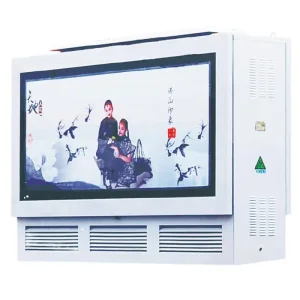
Metropolitan development projects demand quiet operation, minimal spatial footfall, and safety compliance for public pedestrian spaces. Our YBD semi-underground substations bury the oil transformer below ground level, leaving only an architectonic, aesthetic control kiosk above ground. Eliminates audible transformer hum while delivering up to 1250kVA capacity within constrained easements.
Heavy Industry, Mining & Desert Infrastructure
Heavy industrial extraction facilities face corrosive air, abrasive silica sand, and thermal swings from -25°C to +50°C. Our skid-mounted intelligent cabins leverage double-wall polyurethane insulation, sand-trap louvers, positive pressure HVAC with chemical filtration, and internal arc-rated KYN28 switchgear to guarantee non-stop 24/7 industrial uptime.
Substation Technology Trends: SF6 Alternatives, IEC 61850 & Digital Twins
The power engineering paradigm is rapidly shifting toward environmental compliance and intelligent edge diagnostics. Mingri Electric leads this transition through targeted innovation in green switchgear and substation automation.
SF6-Free Eco Gas & Solid Insulation
Driven by stringent EU F-gas regulations and global greenhouse emission reductions, SF6 gas is systematically being replaced. Our HBXGN-12(F) series incorporates environmentally neutral dry air / synthetic air insulation alongside vacuum interrupters, maintaining the same compact physical dimensions as traditional GIS without greenhouse gas liabilities.
IEC 61850 Process Bus & GOOSE Logic
Traditional substations rely on hundreds of kilometers of copper control wiring prone to signal interference and degradation. Modern intelligent modular cabins employ optical fiber Process Bus architectures, unifying sample values (SV) and GOOSE inter-tripping protocols for millisecond-level fault isolation and comprehensive remote monitoring.
AI-Powered Predictive Maintenance & Sensors
Prefabricated substations now feature non-invasive online diagnostic arrays: wireless busbar contact temperature sensors, UHF partial discharge monitoring nodes, acoustic vibration analyzers, and transformer oil gas chromatographic detection. Predictive maintenance algorithms detect micro-arcs and insulation wear well before failure events occur.
Global Regulatory Compliance & Factory Acceptance Testing (FAT)
Procuring overseas electrical assets requires unquestioned adherence to target nation grid codes, safety directives, and third-party inspection scrutiny.
Type Tested Certification
All primary configurations carry type test documentation from accredited testing laboratories (including ASTA, KEMA affiliations, and national high-voltage testing stations). Tests cover short-time withstand current, temperature rise limits, mechanical endurance, and internal arcing.
Remote Live FAT Witnessing
To accommodate fast-track international project schedules, Mingri Electric provides multi-angle 4K interactive video FAT witnessing. Overseas client engineers can review secondary injection tests, mechanical interlock operations, and protection tripping curves in real time.
Localized Mechanical Adaptations
Enclosures can be customized with seismic damping mounts conforming to Zone 4 UBC/IBC earthquake regulations, specialized sand-trap louvers for Middle Eastern deserts, or reinforced snow-load roofs tailored to Nordic and North American climates.
Turnkey Spares & Field Support
Every export consignment includes standardized commissioning spare parts kits, calibrated torque tools, complete schematic packs (in AutoCAD, PDF, and EPLAN formats), and 24/7 dedicated engineering support for site assembly (SAT) and energization.
Substations Manufacturer & Factory FAQ
Straightforward, engineering-grade answers addressing procurement logistics, regulatory approvals, and mechanical configurations for project managers and consultants.
The European-type (YB series) employs distinct, physically isolated compartments for the medium-voltage switchgear, transformer, and low-voltage distribution boards inside a walkthrough or compact walk-around housing. In contrast, the American-type (ZGS series) integrates the transformer core, coil windings, load-break switch, and current-limiting fuses within a single shared dielectric fluid tank. European units offer greater flexibility in switchgear brand and configuration, while American units are substantially more compact, tamper-resistant, and cost-effective for pad-mounted distribution.
Our prefabricated substations and switchgear are engineered in strict compliance with IEC 62271-202 Annex A. The housings incorporate internal arc pressure relief flaps, gas deflection channels, and reinforced door latching mechanisms. Depending on site requirements, we deliver enclosures rated IAC-A-FL or IAC-A-FLR up to 20kA 1s, ensuring that should an arc flash incident occur, hot gases and overpressures are exhausted safely upward and away from operating personnel and the public.
Yes. Our ZGS11-Z.T solar step-up substations are specifically tailored for renewable developers. They frequently feature dual-inverter split LV secondary windings (e.g., 0.8kV / 0.8kV to 33kV), electrostatic shielding between windings, integrated DC power supplies, RS485/Fiber optic communication data concentrators, and hermetically sealed natural or synthetic ester dielectric fluids tailored for high solar ambient temperatures.
Every delivery includes full Routine Test Reports (insulation resistance, winding ratio, vector group verification, dielectric loss, high-voltage withstand), full electrical schematics (GA drawings, Single Line Diagrams, wiring schedules), ISO 9001/14001/45001 certificates of conformity, material mill test certificates for enclosure steel, and accredited third-party Type Test Reports from ASTA, KEMA, or national high-voltage apparatus testing authorities.
Standard prefabricated substations (such as standard YB-12 or ZGS11 units) typically require 4 to 6 weeks for full factory assembly and testing. Highly customized modular cabins or large-scale project batches of 20+ units typically range from 8 to 12 weeks. Shipments depart via Ningbo or Shanghai deep-water container ports, providing swift transit routes to Europe, the Middle East, Southeast Asia, and the Americas.
Thermal management uses a multi-stage approach: computational fluid dynamics (CFD)-optimized natural airflow labyrinths that maintain IP ingress protection while evacuating heat, paired with forced auxiliary cooling fans activated by programmable PT100 temperature sensors embedded in the transformer windings. For extreme ambient installations (>45°C), we engineer double-wall sunshade roof panels and customized air conditioning systems.
Fully compatible. Low-voltage compartments and intelligent cabins can be equipped with standard micro-RTUs, Modbus, DNP3, or IEC 60870-5-104 / IEC 61850 communication gateways. All power meters, circuit breaker status contacts, fault indicators, and alarm trip units are wired to clean terminal blocks for effortless integration with utility SCADA master stations.
For coastal and maritime installations (corrosivity class C4 to C5-M), we manufacture enclosures using 316L marine-grade stainless steel or hot-dip galvanized steel finished with electrostatically applied epoxy primer and fluorocarbon/polyurethane topcoats (exceeding 1000 hours salt spray testing). All exposed hardware and fasteners are 304 or 316 stainless steel to eliminate galvanic corrosion.
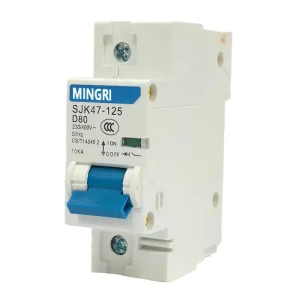
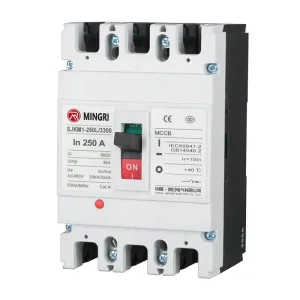
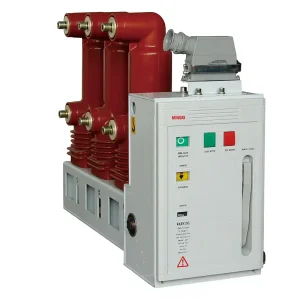
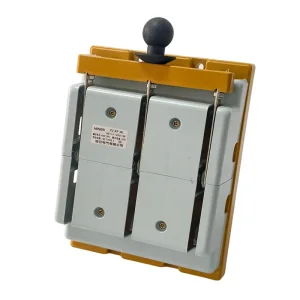
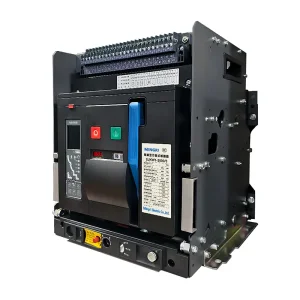
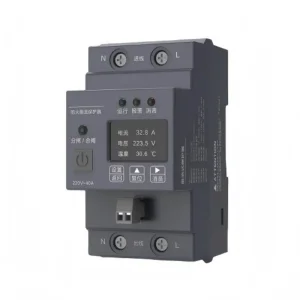
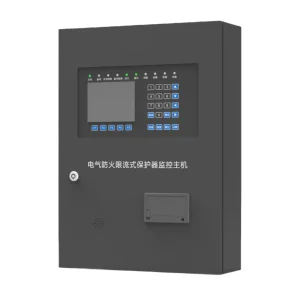
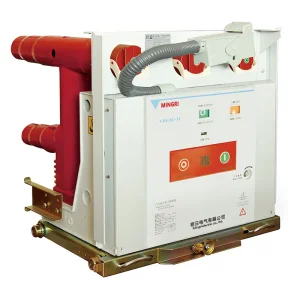
Substation Circuit Breakers & Switching Components
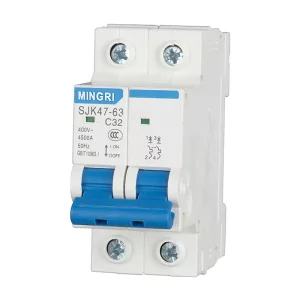
High-precision vacuum breakers, molded case protection, isolation switches, and current-limiting control devices engineered to protect critical infrastructure downstream from primary substations.