High-Efficiency Enterprise & Industrial UPS Architectures
Engineered to withstand coastal humidity, frequency fluctuation, and rugged field conditions across North Island and South Island utility networks.
-
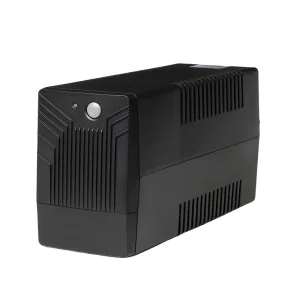
MCEX/MCTA Series Standby UPS for NZ Edge Telecom & Commercial Workstations
Explore MCEX/MCTA Series -
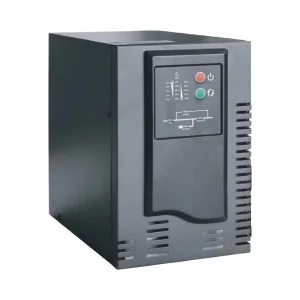
MCHF Series High-Frequency Online UPS for Auckland Data Centers & Financial IT
Explore MCHF Series -
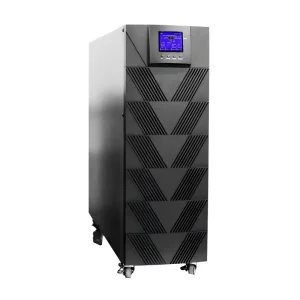
MCL31 Industrial Low-Frequency UPS for Heavy Agri-Processing & Marine Terminals
Explore MCL31 Series -
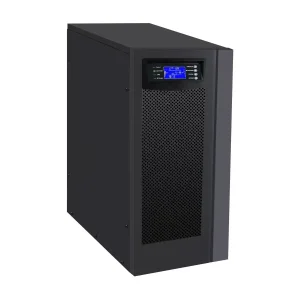
MCL33 Heavy-Duty Online UPS for Fonterra-Scale Dairy Plants & Mining Facilities
Explore MCL33 Series
Macro Commercial Realities & Power Conditioning in New Zealand
Balancing high hydro/geothermal generation with long-distance radial transmission, seismic stress, and harsh marine microclimates.
The New Zealand power ecosystem occupies a distinct position in global electrical engineering. Managed by Transpower, the national grid transfers massive blocks of clean hydro generation from South Island stations (such as Manapouri and Benmore) across the Cook Strait HVDC link to the industrialized load centers of the North Island. Concurrently, over 85% of New Zealand's electricity derives from renewable sources—chiefly hydro, geothermal, and wind.
While ecologically exceptional, this high-inertia-variable dynamic presents specific power quality headaches for heavy industrial facilities and digital infrastructure. Rapid wind ramp-rates in the Manawatu and sudden precipitation surges in the Southern Alps induce localized sub-cycle voltage sags, phase angle jumps, and switching transients on the 11kV and 33kV distribution networks run by local lines companies (such as Vector, Powerco, and Orion).
Seismic and Oceanic Environmental Challenges
Standard off-the-shelf UPS hardware fails prematurely in New Zealand when deployed without anti-vibration damping rated to NZS 4219 (Seismic Restraint of Engineering Services) or conformal PCBA protection against high airborne salinity and volcanic hydrogen sulfide (H2S).For enterprise operators, unplanned downtime carries devastating financial penalties:
- Fonterra-scale dairy spray-drying towers: A power dip of merely 120 milliseconds trips variable-speed drives (VFDs) and PLC networks, causing hot milk slurry to solidify inside multimillion-dollar evaporators. Clearing this incurs up to 48 hours of downtime and hundreds of thousands of dollars in spoiled product.
- Auckland Hyperscale & Colocation Data Centers: With Microsoft, AWS, CDC, and Datacom expanding facilities in the Silverdale and Hobsonville corridors, continuous VFI-SS-111 (voltage and frequency independent) compliance is legally mandated to protect SLAs.
- Geothermal Extraction Fields: Facilities across the Taupo Volcanic Zone encounter corrosive atmospheric H2S gases that rapidly corrode bare copper traces and silver-alloy electrical contacts.
As a specialized Original Design Manufacturer (ODM), we bridge this gap by custom-engineering every internal module to comply with AS/NZS 62040 safety and EMC standards, delivering ruggedized performance built specifically for Kiwi enterprises.
Why New Zealand EPCs Partner Directly With Our Production Hubs
Bypassing multi-tier distributors to access custom mechanical tailoring, tier-1 component validation, and rapid engineering turnaround.
Custom Mechanical & Enclosure ODM
Unlike rigid brand resellers, our Yueqing and Guangdong factories customize sheet-metal chassis gauge, internal structural bracing for NZS 4219 seismic compliance, IP54 ingress protection, top/bottom cable entry boxes, and marine-grade C4/C5 polyurethane powder coatings for coastal installations.
Tier-1 Silicon & Conformal Hardening
Our power conversion topologies incorporate genuine Infineon and Semikron IGBT modules, digital signal processors (DSP) from Texas Instruments, and high-temperature Nichicon capacitors. All printed circuit boards undergo automated selective triple-conformal coating conforming to IPC-A-610 Class 3 and ISA-71.04 Severity Level G3.
Regenerative Full-Load Testing
Every single-phase and three-phase UPS unit is subjected to rigorous 100% burn-in testing on our automated regenerative load banks. We simulate non-linear inductive loads, sudden 100% step-load transients, short-circuit clearances, and thermal chamber cycling before dispatching to Tauranga or Auckland ports.
| Evaluation Parameter | Conventional Multi-Tier Distributor Brand | Direct Chinese ODM Engineering Partnership |
|---|---|---|
| Bespoke Enclosure Engineering | Fixed catalogue sizes; expensive field modifications required to fit cramped substations. | Custom CAD dimensions, specialized bottom-entry gland plates, and integrated internal ATS. |
| Seismic Restraint Certification | Generic EU/US certifications; expensive local New Zealand engineering re-certification. | Pre-engineered anchor plates, stiffened uprights, and FEA reports aligned with NZS 4219. |
| Atmospheric Harshness Rating | Standard indoor PCB varnish; susceptible to rapid failure in geothermal H2S / salt spray zones. | Robotic dual/triple acrylic or silicone coating complying with ISA 71.04 G3/GX harsh class. |
| Battery Chemistry Flexibility | Locked proprietary VRLA or high-margin closed-protocol lithium battery cabinets. | Open architecture supporting leading CATL/BYD LFP packs or legacy VRLA strings seamlessly. |
| Procurement & Spares Lead Time | 16 to 28 weeks through regional hubs with significant markup margins. | Direct factory dispatch within 4–6 weeks; spare modules, fan assemblies, and PCBA boards stocked. |
Tailored UPS Solutions Across New Zealand's Primary Sectors
From the automated milking sheds of the Waikato to the critical edge clouds of Christchurch and Auckland.
1. Dairy Processing & Agricultural Cold Chains
In regions like the Waikato, Taranaki, and Southland, dairy plants operate massive rotary separators, pasteurizers, and cold-storage blast chillers. The high inductive inrush current of these heavy electric motors frequently collapses weak rural distribution spurs.
Our MCL33 Industrial Frequency Online UPS features a robust built-in galvanic isolation transformer that buffers downstream SCADA controllers, variable-frequency drives, and ammonia refrigeration compressors from harmonic feedback and severe voltage transients, eliminating costly milk spoilage events.
2. Auckland & Canterbury Edge Data Centers
With international subsea cables terminating at Whenuapai and Takapuna, Auckland serves as New Zealand’s primary cloud hub, supported by secondary disaster-recovery clusters in Christchurch. Power usage effectiveness (PUE) regulations compel operators to seek maximum efficiency.
Our MCHF High-Frequency Transformerless UPS series achieves up to 97% double-conversion efficiency and >99% in ECO Mode. Designed with high power density, it minimizes whitespace footprint while interfacing natively with lithium iron phosphate (LiFePO4) battery racks via high-speed CAN/RS485 industrial bus links.
3. Geothermal Generation & Extractive Industries
Sites such as Wairakei, Ngatamariki, and Te Mihi utilize steam turbines fed by geothermal reservoirs. These environments carry sustained concentrations of atmospheric H2S, which rapidly transforms conventional silver-nickel contacts into non-conductive silver sulfide.
Our ODM manufacturing provides customized harsh-environment packaging: gold-flashed relay contacts, nickel-plated copper busbars, fan filter assemblies with chemical gas-phase adsorption media, and sealed control compartments to guarantee 10-year design life in geothermal steam zones.
4. Remote Telecom & Maritime Port Infrastructure
Critical coastal hubs—such as the Ports of Auckland, Tauranga, and Lyttelton—alongside cellular mountaintop repeater stations operated by Spark, One NZ, and 2degrees, face salt fog, lightning surges, and prolonged grid outages during severe Pacific cyclone seasons.
We engineer wide-input-voltage-window UPS units (138V–485V AC) paired with integrated Category B surge suppression (AS/NZS 1768) and high-cycle solar PV hybrid charge controllers, ensuring continuous uptime through extreme South Pacific storm activity.
Emerging Technology Trends Reshaping Industrial Power Protection
How energy storage shifts, grid interactivity, and predictive neural diagnostics are redefining UPS engineering standards.
Lithium-Iron Phosphate (LiFePO4) Dominance
The replacement of valve-regulated lead-acid (VRLA) batteries with automotive-grade LFP cells delivers 3,500+ deep discharge cycles, an operating ceiling of 35°C without accelerated thermal degradation, and a 65% reduction in cabinet weight—massively reducing structural floor loading costs in multi-story New Zealand facilities.
Grid-Interactive VPP & Fast Frequency Support
New Zealand’s Wholesale Electricity Market increasingly rewards large energy consumers for demand response and Fast Frequency Reserves (FFR). Our newest firmware supports bi-directional inverter functionality, enabling industrial UPS systems to shave peak facility demand or feed stored energy back to microgrids in under 20 milliseconds during under-frequency events.
AI-Assisted Predictive Health Diagnostics
Transitioning from reactive maintenance to failure forecasting: internal IoT sensors monitor DC bus capacitor equivalent series resistance (ESR), fan bearing vibration profiles, and IGBT junction temperatures. Data streams via secure SNMPv3, Modbus-TCP, and BACnet over IP to trigger proactive servicing alerts weeks before hardware failures occur.
Engineering Checklist for NZ Consulting Engineers (Beca, Aurecon, WSP)
Critical verification protocols to incorporate when developing RFPs for commercial and industrial critical power installations.
NZS 4219 Seismic Mechanical Calculations
Under the New Zealand Building Code (NZBC Clause B1 Structure), electrical plant equipment exceeding specified mass thresholds must maintain structural integrity during seismic accelerations.
- Importance Level (IL2, IL3, IL4): Critical hospital and data center systems require IL4 survivability during Ultimate Limit State (ULS) events.
- Base Anchor Anchorage: Pre-drilled welded channel plinths engineered to accommodate M12/M16 Hilti chemical anchors to concrete slabs.
- Internal Chassis Bracing: Reinforced vertical uprights preventing internal transformer movement and busbar dislocation under horizontal loads exceeding 1.2g.
AS/NZS 62040 & Harmonic Ingress Standards
Electrical installations must strictly adhere to the AS/NZS 3000 Wiring Rules and utility connection standards enforced by New Zealand lines companies.
- AS/NZS 62040.1: General and safety requirements for UPS used in operator access areas.
- AS/NZS 62040.2: Electromagnetic compatibility (EMC) compliance with Class C1 or C2 emissions to prevent interference with sensitive SCADA and radio networks.
- IEC 61000-3-12 Compliance: Three-level IGBT rectifier circuits maintaining Total Harmonic Distortion of Input Current (THDi) below 3%, preventing overheating of upstream distribution transformers.
Comprehensive Remote Factory Acceptance Testing (FAT) for NZ Buyers
To guarantee zero on-site commissioning delays across Auckland, Wellington, or Christchurch, our factory provides high-definition multi-camera live video FAT sessions. Our engineering team walks your electrical consultants through 0% to 100% dynamic step loads, bypass transfer oscillograms, battery run-time verification, and thermal imaging inspections with real-time digital test certificate generation before container dispatch.
Extended Medium & Low-Voltage Power Distribution Equipment
Complete single-line diagram equipment solutions: from compact step-down substations to automated transfer switches and vacuum circuit breakers.
-
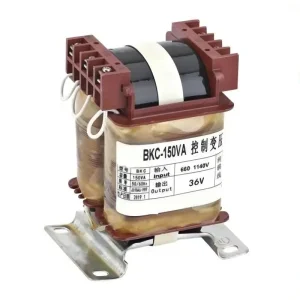
BKC Series Control Transformers for NZ Factory Automation Panels
Explore BKC Transformers -
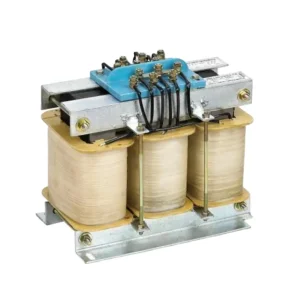
Integrated Flameproof & Protection Transformers for NZ Extractive Sites
Explore Mining Transformers -
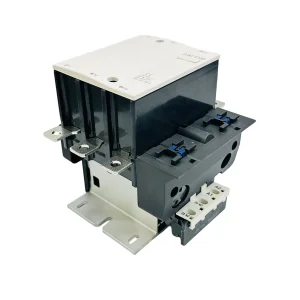
CJX2 (LC1-D) Heavy-Duty AC Contactors for NZ Substation & MCC Panels
Explore CJX2 Contactors -
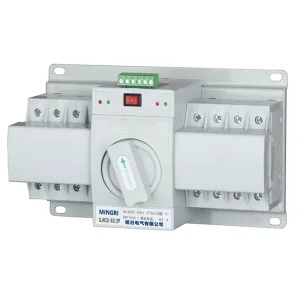
SJKQ1 Dual-Power Automatic Transfer Switch for Mission-Critical NZ Sites
Explore SJKQ1 ATS -
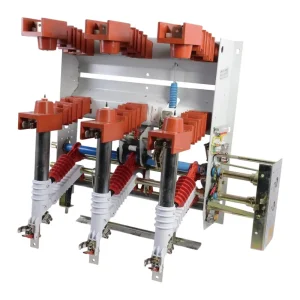
FK(R)N12-24D High-Voltage Load Break Switches for NZ 11kV/22kV Feeders
Explore FK(R)N12 Switches -
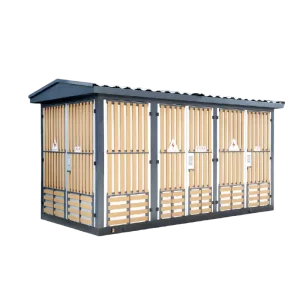
YB□-12 Compact Prefabricated Package Substations for NZ Urban & Wind Nodes
Explore YB Substations -
CJX2-95A 660V Motor Starters & Breakers for Heavy NZ Industrial Switchboards
Explore CJX2-95A Series -
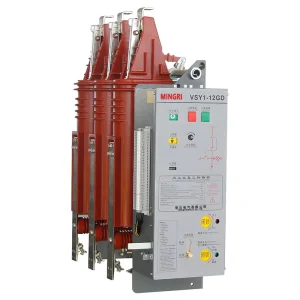
VSY1-12GD Vacuum Circuit Breakers (VCB) for NZ Utility & Plant Distribution
Explore VSY1 VCB
Frequently Asked Questions: Sourcing ODM UPS Systems for New Zealand
Expert answers addressing electrical standards, freight logistics, environmental durability, and warranty support.
How do your UPS systems comply with AS/NZS electrical standards?
All units exported to New Zealand are engineered, manufactured, and tested strictly in conformity with AS/NZS 62040.1 (General and Safety Requirements) and AS/NZS 62040.2 (EMC Requirements). Our electrical design natively accommodates New Zealand's standard low-voltage supply of 230V single-phase / 400V three-phase at 50 Hz. We supply comprehensive laboratory test reports, EMC documentation, and Declaration of Conformity paperwork required for Electrical Safety Certification in New Zealand.
Can you supply custom seismic anchoring to meet NZS 4219 requirements?
Yes. Through our ODM mechanical engineering pipeline, we produce specialized heavy-duty base channel mounting frames, reinforced internal upright brackets, and seismic hold-down brackets fabricated from 2.5mm–3.0mm hot-rolled steel. We provide Finite Element Analysis (FEA) structural reports certified to satisfy horizontal and vertical seismic acceleration coefficients specified by NZS 4219 across seismic zones from Auckland to Wellington.
How do you protect internal PCBA from volcanic H2S and coastal salt spray?
For equipment destined for the Rotorua/Taupo volcanic zone or coastal industrial sites like Tauranga, we utilize our robotic selective coating lines to apply dual or triple layers of modified polyurethane or silicone conformal coating. This meets IPC-CC-830 standards and ISA-71.04 Class G3 (Harsh) / Class GX (Severe) ratings. Critical relay contacts feature heavy gold flashing, and all copper busbars undergo tin or nickel electroplating.
What are the freight routes and typical lead times to New Zealand ports?
Standard ODM production runs typically conclude in 20 to 30 working days following final single-line diagram (SLD) approval. Ocean freight dispatches directly from Ningbo or Shanghai to Auckland Port (Ports of Auckland), Tauranga, or Lyttelton (Christchurch) with a typical blue-water transit duration of 14 to 22 days. Expedited air freight for emergency critical spares or pilot modules can arrive in Auckland within 5 to 7 days.
Can your UPS integrate with third-party LiFePO4 batteries and BMS?
Absolutely. Our control firmware features an open, customizable DC charging interface. You can pair our UPS with our dedicated LFP battery racks or integrate with third-party tier-1 lithium storage solutions. The onboard controller supports multi-protocol CAN 2.0B, RS-485, and Modbus-RTU communication to continuously monitor individual cell voltages, temperature gradients, and state-of-charge (SOC) metrics.
What on-site support and spare parts provisioning do you offer?
We supply complete “first-line maintenance spares kits” (including matched power IGBT modules, DSP driver boards, switch-mode power supplies, and cooling fans) packaged directly with initial container deliveries. For installation, testing, and commissioning, we provide 24/7 senior engineering video-conferencing support, comprehensive step-by-step installation manuals, and can coordinate with accredited New Zealand Registered Electrical Inspectors (REIs).