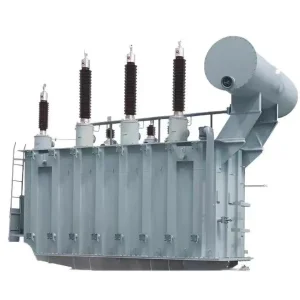
Flagship Medium & Low Voltage Equipment Portfolio
Direct OEM & ODM wholesale solutions tested to rigorous IEC, IEEE, and GB standards for mission-critical infrastructure, renewables, and industrial grids.
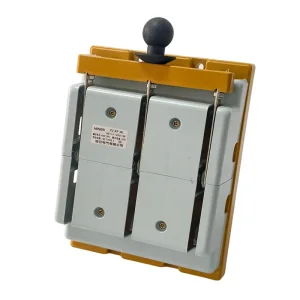
ODM China HD11F Double Throw Anti-Error Knife Switch Factory - 200A to 1500A Isolation
View Technical Specs →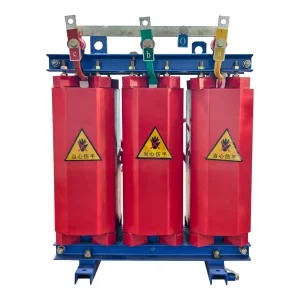
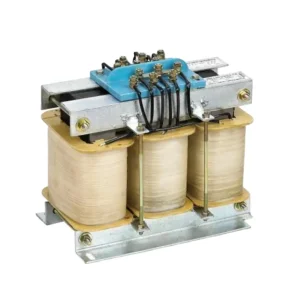
High-Quality SC(B)11 10kV Resin-Insulated Dry Casting Transformer for Electric Supply
View Technical Specs →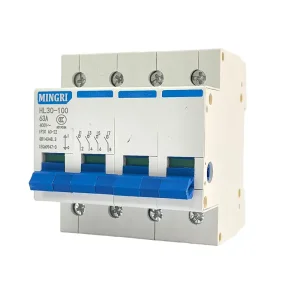
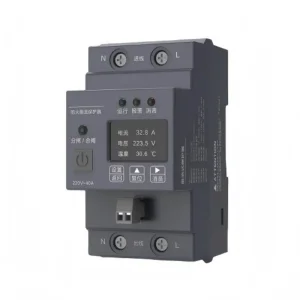
Wholesale High-Performance HL30 Miniature Disconnect Switch 1-4P 6-100A for AC Systems
View Technical Specs →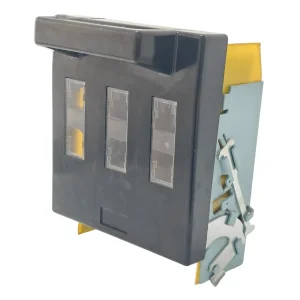
OEM HR5 Fused Disconnect Switch with Visible Break Contacts Supplier & Factory
View Technical Specs →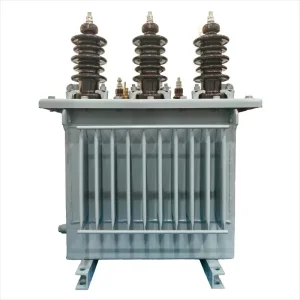
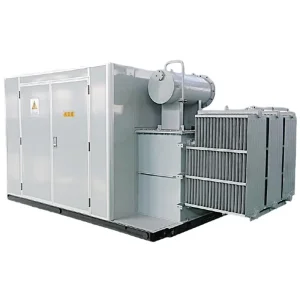
OEM ZGS11-Z.T Integrated Photovoltaic Step-up Substation China Factory Solutions
View Technical Specs →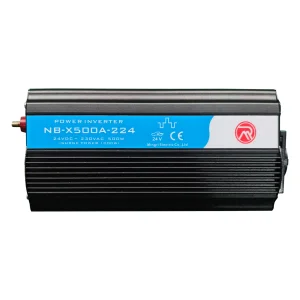
Global Industrial Landscape: The Rise of Non-Encapsulated Systems
A comprehensive examination of why global EPCs, utility operators, and data center developers are pivoting from cast-resin epoxy encapsulation toward open-ventilated (VPI) and modular non-encapsulated architectures.
Thermodynamic Superiority & Dynamic Overload
Non-encapsulated (also recognized in IEC 60076-11 standards as Open-Wound or VPI ventilated dry-type equipment) utilizes continuous air convection combined with high-grade DuPont Nomex® aramid sheet insulation instead of solid cast-epoxy blocks. This architecture completely eliminates internal hot-spot trapping.
- Thermal Dissipation: Direct air exposure prevents localized dielectric thermal expansion ruptures.
- Emergency Overload Ceiling: Capable of withstanding up to 130%-150% rated load under continuous forced-air (AF) cooling regimes without coil degradation.
- Zero Micro-Cracking: Solid cast resin suffers from shrinkage stress and brittle micro-fissures during extreme temperature cyclic swings; non-encapsulated designs eliminate this failure mode entirely.
Environmental Safety, Fire Proofing & Circularity
Modern electrical balance of plant (BOP) demands uncompromising life safety compliance in dense subterranean installations, commercial high-rises, and marine switchgear vaults where toxic smoke emission is prohibited.
- Non-Flammable (F1 Class): Inorganic Nomex insulation demonstrates zero flammability flashpoints and releases zero halogenated dioxins or corrosive gases during an external arc event.
- 100% Metallurgy Recovery: End-of-life cast resin units end in hazardous landfills due to unseparable epoxy binding. Non-encapsulated windings allow 100% mechanical separation of high-purity electrolytic copper and oriented silicon steel.
- Moisture & Fungus Resistance: Multi-dip high-temperature silicone VPI curing forms an impenetrable micro-barrier against coastal salt fog and Class C2 condensation.
Technical Evaluation Matrix: Non-Encapsulated VPI vs. Cast Resin Transformers
Architectural trade-offs for procurement engineers evaluating operating expenditures (OPEX), lifecycle maintenance, and grid resilience.
| Evaluation Parameter | Non-Encapsulated VPI Dry Technology | Conventional Cast Resin (SCB Series) | Procurement Impact / Strategic Value |
|---|---|---|---|
| Insulation Class & Limit | Class H (180°C) or Class C (220°C) | Class F (155°C) | Non-Encapsulated Superior — Higher safety margin under harmonic load |
| Overload Reserve (AF Cooling) | Up to 140% - 150% rated kVA | Limited to 115% - 120% | Capex Reduction — Downsize nominal kVA capacity for peak surges |
| Thermal Aging & Thermal Shock | Immune to cycling cracks from -50°C to +180°C | Epoxy prone to micro-fissuring and PD spike | Longer service life exceeding 35+ years in harsh thermal cycling |
| Partial Discharge (PD Level) | Consistently ≤ 5 pC (Practically zero) | Typically ≤ 10 pC (Degrades if voids exist) | Enhanced dielectric stability over continuous decades |
| End-of-Life Decommissioning | Direct mechanical copper/steel recycling | Non-separable epoxy; heavy landfill disposal tax | Aligns with EU ESG criteria and ISO 14040 carbon accounting |
| Repairability in Field | Windings can be locally re-taped or replaced | Total coil scrapping required upon breakdown | Minimizes industrial downtime from months to days |
The Yueqing Industrial Cluster: Manufacturing Efficiency & Supply Chain Resilience
How Mingri Electric integrates upstream metallurgy, robotic fabrication, and complete type-test compliance into a globally competitive wholesale delivery model.
Raw Material Integration & Metallurgy
Situated in the electrical capital of China (Yueqing, Zhejiang), our supply loop directly taps Baosteel prime high-permeability cold-rolled grain-oriented (CRGO) silicon steel sheets and 99.99% oxygen-free electrolytic copper rods. This hyper-local sourcing eliminates international transshipment markups and delivers lower no-load watt losses across every transformer frame.
Automated VPI Vacuum Pressure Plants
Our production floor operates automated PLC-controlled vacuum pressure impregnation autoclaves. Coils undergo repeated deep vacuum extraction (<20 Pa) followed by pressurized silicone resin infusion and precision computer-controlled baking cycles, ensuring zero internal air bubbles, superior mechanical rigidity against short-circuit forces, and class-leading partial discharge records.
Modular Engineering & Global Certifications
Whether configuring drawout switchgears (GCK, KYN28), modular air-insulated ring main units (SM6), or solar compact substations (ZGS11-Z.T), our ISO 9001, ISO 14001, and ISO 45001 certified processes maintain absolute traceability. Every unit ships with comprehensive factory acceptance test (FAT) routine documentation verifying insulation resistance, impedance voltage, and acoustic noise levels.
Localized Application Engineering & Extreme Environment Deployment
Tailored configurations solving harsh mechanical, seismic, and corrosive environmental challenges worldwide.
Underground Mining & Tunneling
Explosion-proof and high-vibration environments demand resilient non-encapsulated assemblies. Integrated with KS9 or mining-type protection enclosures, our equipment resists dust accumulation and moisture condensation, operating smoothly inside coal headings, transit bores, and metro utility channels.
Utility-Scale Solar & Wind Energy
Paired with our ZGS11-Z.T step-up substations and DC-to-AC pure sine wave inverter stages, non-encapsulated core transformers deliver stable feed-in under rapid solar irradiance fluctuations and high inverter harmonic distortion (THD) without coil insulation breakdown.
Hyperscale Data Centers & Financial Hubs
Where unplanned downtime costs millions per hour, our dry-type units and withdrawable GCK low-voltage switchboards ensure zero fire hazard risk inside indoor electrical closets, matching N+1 and 2N redundant mission-critical power architectures.
Future Trends & International Procurement Protocols
Navigating global grid modernizations, decarbonization policies, and technical compliance in high-voltage supply chains.
Emerging Technological Vectors
The medium-voltage distribution sector is undergoing profound disruption accelerated by electrification and grid digitalization:
- SF6-Free Eco-Gas & Solid Insulation: Transition toward environmental fluoronitrile/air mixes and solid-dielectric ring main units (GXGN series) eliminates greenhouse gas penalties.
- Embedded Fiber-Optic Thermal Sensing: Direct winding optic sensors provide real-time temperature feedback directly to SCADA and substation automation controllers.
- Harmonic-Mitigating K-Factor Ratings: Rising non-linear rectifier loads necessitate K-13 and K-20 rated transformer coils to suppress eddy-current losses.
Global Enterprise Procurement Checklist
To avoid delivery setbacks and ensure first-time engineering approval, overseas buyers and EPCs should specify the following parameters during RFQ submission:
- Comprehensive Single-Line Diagram (SLD): Detailing incoming feeder count, busbar ampere ratings, and interlock sequencing.
- System Fault Levels: Rated symmetrical short-circuit current (kA) and duration (1s or 3s).
- Climatic & Altitude Constraints: Standard derating applies above 1,000 meters elevation or ambient conditions exceeding 40°C.
- Protection Class & Inclosure: Specify IP20 indoor enclosures, IP54 outdoor canopies, or stainless-steel marine finish.
Frequently Asked Questions (Technical & Procurement FAQ)
Authoritative answers addressing engineering design, customization limits, international logistics, and warranty terms.
What is the fundamental difference between non-encapsulated dry transformers and cast resin (epoxy) transformers?
Non-encapsulated (VPI) transformers rely on open windings wrapped in high-temperature Class H/C Nomex insulation treated with vacuum pressure silicone resin impregnating varnish. They allow direct natural ventilation and offer superior overload headroom and zero risk of resin micro-cracking. Cast resin transformers encapsulate coils solidly in epoxy quartz mix, making them bulkier and practically non-recyclable at decommissioning.
Can Mingri Electric customize switchgear and transformers for 60Hz and non-IEC national codes?
Yes. We routinely engineer transformers, RMUs, and switchboards conforming to IEEE C57, ANSI, UL, and NEMA standards, including 60Hz dual-frequency configurations, split secondary windings for solar inverters, and distinct American-type loop-feed compact substations (such as our ZGS11 series).
How does non-encapsulated equipment perform in humid, coastal, or chemically corrosive environments?
Under severe coastal conditions (IEC C2/C3 environments), non-encapsulated windings are treated with multiple vacuum pressure impregnation cycles using anti-fungal, salt-spray-resistant Class H resins. For extremely harsh ambient air, units can be enclosed in IP54 or NEMA 3R/4X stainless steel enclosures equipped with air-to-air heat exchangers.
What is your standard production lead time for bulk wholesale orders and custom OEM projects?
Standard rating transformers (such as 10kV SCB11 or S11-M units) typically complete production within 15 to 20 days. Fully customized switchgear lines (KYN28, GCK) and multi-compartment photovoltaic substations typically require 25 to 35 days, including routine electrical type testing and pre-shipment inspections.
What warranty and international technical field support does Mingri Electric provide?
We provide a standard 24-month manufacturer warranty from commissioning (or 30 months from bill of lading), extendable up to 5 years. Remote commissioning assistance via encrypted video, comprehensive digital single-line documentation, and expedited spare parts airfreight guarantee continuous uptime worldwide.
Are third-party witness inspections (SGS, TÜV, Bureau Veritas) accommodated at the Yueqing facility?
Yes. International clients routinely engage third-party inspection agencies to witness high-voltage dielectric withstand tests, temperature rise verifications, lightning impulse simulation, and enclosure IP rating validations directly within our factory test bays prior to final export crating.
Substation, Switchboard & Heavy Power Conversion Lineup
Engineered for high-capacity industrial power plants, mining ventures, utility step-up yards, and building sub-distribution.
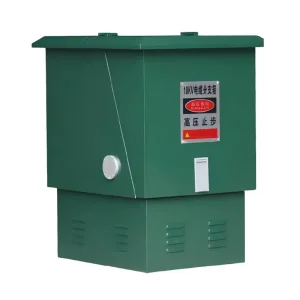
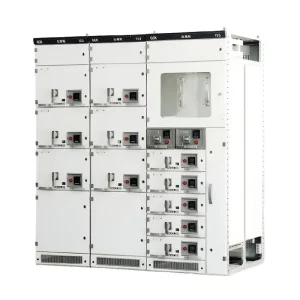
OEM China DFW Cable Branch Box - Outdoor Intelligent Power Distribution Solutions
View Technical Specs →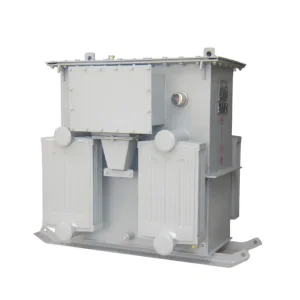
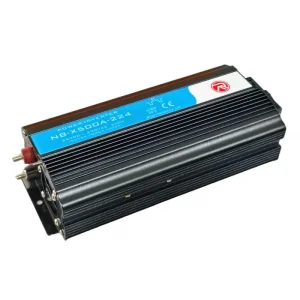
ODM DC to AC Power Inverter X500 with Built-in EU Socket & Precision Waveform
View Technical Specs →
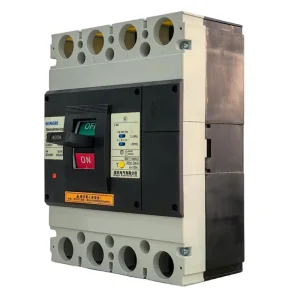
OEM SJKM3L ELCB Earth Leakage Circuit Breaker - High Sensitivity 230V/415V Protection
View Technical Specs →