High-Performance Isolating Switches & Control Hardware
Engineered for zero-breakdown reliability, arc suppression safety, and seamless switchgear integration.
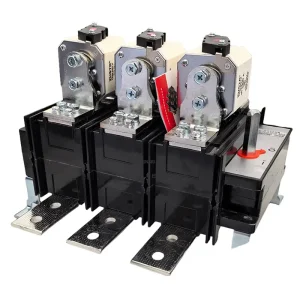
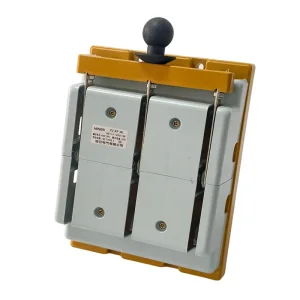
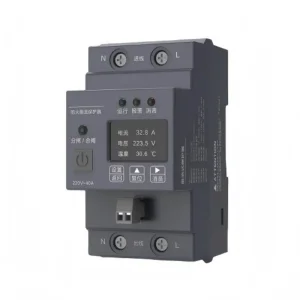
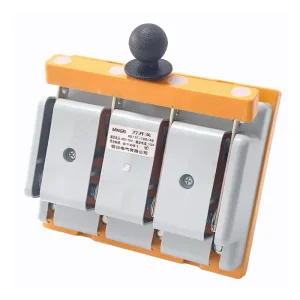
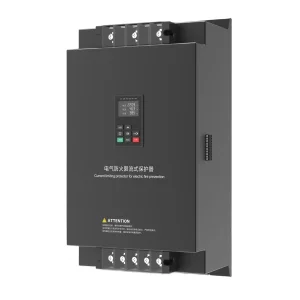
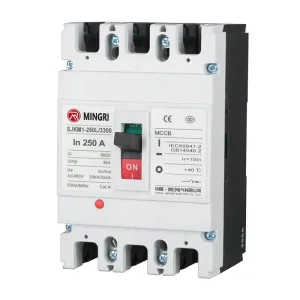
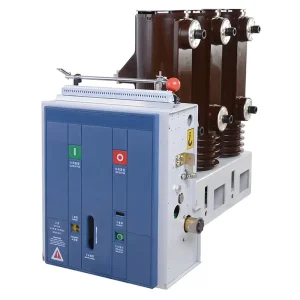
Global Landscape of Indoor Isolating Switch Architecture
Analyzing grid evolution, mechanical interlock compliance, and galvanic isolation standards.
In modern power engineering, the indoor isolating switch (also referred to as an indoor disconnector) functions as an indispensable safety baseline within medium-voltage (MV) and low-voltage (LV) distribution architectures. Unlike circuit breakers configured for rapid short-circuit fault interruption, an isolating switch is engineered specifically to ensure unequivocal galvanic separation. By providing a visible, verify-before-touch physical air gap, isolating switches guarantee line de-energization, mitigating occupational hazards during mandatory maintenance, busbar reconfiguration, and sub-station retrofitting.
Driven by rapid electrification, modernization of legacy power grids across North America and Europe, and high-density industrial growth in the Asia-Pacific region, the wholesale demand for indoor isolating switches has evolved from basic mechanical knife switches to sophisticated, highly integrated, anti-error modular mechanisms. High-tier industrial facilities now demand units engineered according to strict IEC 62271-102 and IEEE C37.32 standards, capable of operating flawlessly across severe thermal cycles, contaminated environments, and high electromagnetic interference conditions.
Visible Air Break & Operator Safety
Engineered with optical inspection paths and transparent phase barriers that provide field maintenance personnel direct visual verification of circuit disconnection, eliminating false-positive electronic sensing errors.
Five-Anti Interlocking Systems
Integrated mechanical anti-misoperation mechanisms interlock precisely with circuit breakers and earthing switches, structurally prohibiting erroneous operation under load or live grounding conditions.
Advanced Silver-Plated Contacts
High-conductivity electrolytic copper contacts plated with 15–20µm micro-hardened silver ensure ultra-low contact resistance, preventing terminal thermal runaway under full continuous rated current (up to 4000A).
China Factory Efficiency & End-to-End Value Stream
Why Tier-1 global EPC contractors, switchgear builders, and distributors partner directly with Yueqing electrical manufacturing hubs.
Hyper-Clustered Supply Chains
Located in Yueqing, Zhejiang—the global capital of low-and-medium voltage electrical engineering—raw material sourcing (C1100 copper, specialized epoxy resins, stamping parts) operates on a sub-20km radius, cutting procurement cycles by 60% compared to Western counterparts.
Automated Robotic Assembly & QC
Utilizing multi-axis robotic CNC milling, automatic contact pressure calibrated torque stations, and automated helium leak detection chambers, our production lines achieve zero-defect tolerances and dimensional consistency batch after batch.
Global Customization (OEM/ODM)
From custom mounting dimensions matching legacy KYN28 or SM6 panels to specialized copper busbar terminal configurations, auxiliary contact configurations, and tropicalized anti-fungal epoxy resins, we cater precisely to local market compliance.
| Performance Parameter | Standard Low-Voltage Range (e.g., HD/HS Series) | Medium-Voltage Gas/Air Insulated (e.g., GN/SafeRing) |
|---|---|---|
| Rated Operating Voltage (Ue) | AC 400V / 690V | 12 kV / 24 kV / 40.5 kV |
| Rated Normal Current (In) | 100A – 3150A | 630A – 4000A |
| Short-Time Withstand Current (Ik / tk) | Up to 50kA / 1s | Up to 40kA / 4s |
| Rated Impulse Withstand Voltage (BIL) | 8 kV – 12 kV | 75 kV (12kV) – 185 kV (40.5kV) |
| Mechanical Endurance Class | IEC Class M1 (2,000 cycles) | IEC Class M2 (10,000 cycles with zero retightening) |
Targeted Industrial & Commercial Application Scenarios
Configured specifically to solve isolation vulnerabilities across critical power networks.
Tier-3 & Tier-4 Data Centers
Provides critical bypass and segment isolation within un-interruptible power distribution panels (PDU) and standby generator systems, ensuring zero system disturbance during regular UPS battery bank replacements.
Utility-Scale Renewable Integration
Integrated within solar photovoltaic step-up substations and wind turbine base transformers, handling high-cycling load profiles and non-linear harmonic stresses without dielectric degradation.
Heavy Metallurgical & Chemical Plants
Hermetically sealed indoor isolating switchgear options built to endure corrosive atmospheric chemistry, airborne particulates, and continuous ambient temperatures up to 50°C without contact oxidation.
Emerging Industry Trends & Procurement Decision Matrix
How forward-thinking utility engineers and international buyers optimize equipment procurement cycles.
The global medium- and low-voltage isolating switch sector is undergoing radical structural transformations, spearheaded by two major initiatives: SF6-Free Environmental Transition and Smart Grid IoT Telemetry. With stringent international regulations phasing out fluorinated greenhouse gases (F-gases), our research and production facilities lead the transition toward clean-air insulated and solid dielectric isolating systems. These eco-designed switches match the dielectric performance of SF6 while delivering a Global Warming Potential (GWP) of less than 1.
Concurrently, modern electrical procurement demands digital capability. Our smart isolating switches feature built-in, wireless surface acoustic wave (SAW) temperature sensors embedded directly onto the primary contact blades. These feed continuous temperature metrics to plant SCADA systems, preventing catastrophic contact overheating and supporting proactive, predictive maintenance models over scheduled manual outages.
Procurement Criterion: Dielectric Rigidity
Always verify model-specific third-party type test reports (KEMA, ASTA, or CNAS certified) confirming lightning impulse withstand across the isolating distance exceeds that of phase-to-earth by a minimum margin of 15%.
Procurement Criterion: Mechanical Life Class
For substations undergoing continuous feeder switching, specify IEC Class M2 mechanical endurance (10,000 operations). Class M0 (1,000 operations) should be restricted exclusively to infrequent emergency isolation points.
Total Cost of Ownership (TCO)
Evaluate lifecycle total cost rather than initial ex-factory quote. Self-aligning contacts, maintenance-free spring operating mechanisms, and corrosion-resistant electro-tin/silver finishes significantly lower lifetime maintenance downtime.
Frequently Asked Questions on Indoor Isolating Switches
Authoritative technical clarifications addressing selection, standards compliance, and operation.
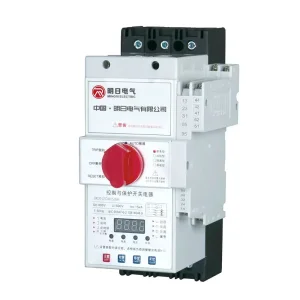
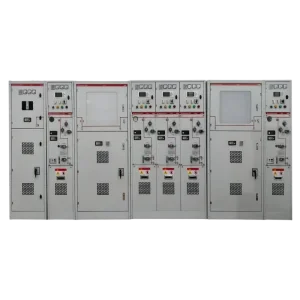
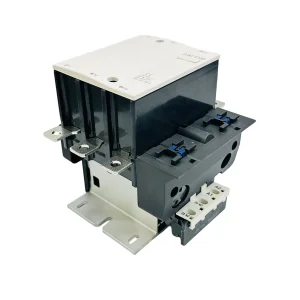
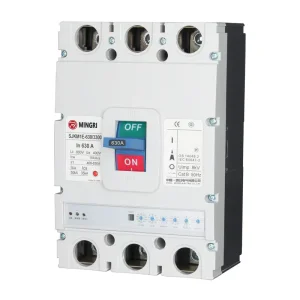
Switchgear, Control Devices & Power Protection Assemblies
Comprehensive secondary distribution equipment directly compatible with our isolating units.