Primary Automated Switching & Modular Power Units
Engineered to satisfy stringent IEC 62271 and IEC 60947 compliance parameters. High-breaking endurance, precision digital trip mechanics, and turnkey modular sub-assemblies for medium-to-low voltage industrial distribution.
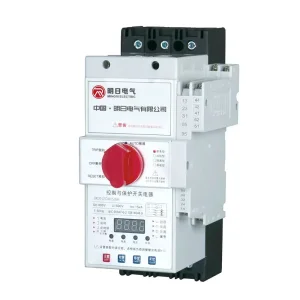
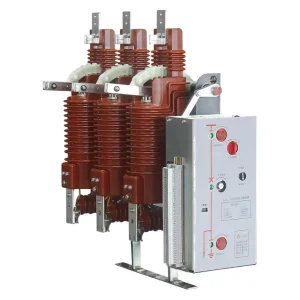
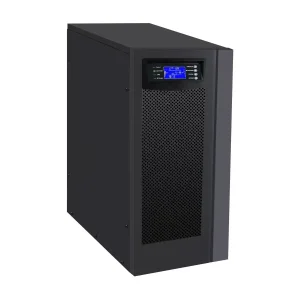
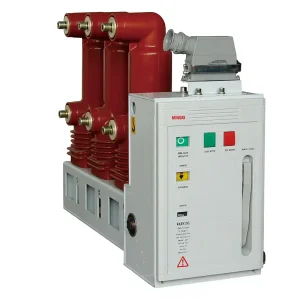
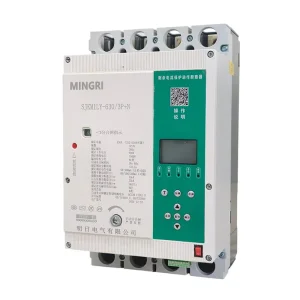
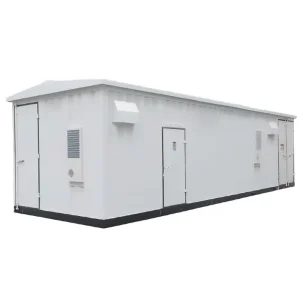
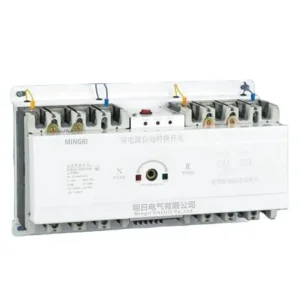
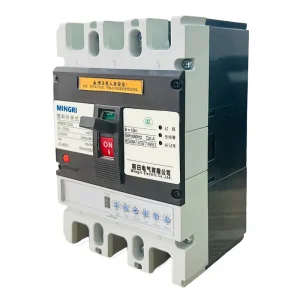
The Paradigm Shift in Industrial "Automatic" Power Systems
How modern distribution grids are migrating from passive electromechanical switches to edge-intelligent, automated self-healing secondary distribution substations.
The contemporary electrical engineering landscape is undergoing an unprecedented architectural pivot. Historically, electrical distribution gear functioned strictly as reactive protective barriers—tripping mechanically via bimetallic strips or hydraulic-magnetic dashpots upon downstream thermal overloads and short-circuit faults. Today, the convergence of distributed energy resources (DERs), high-density data centers, microgrid topologies, and complex industrial automation lines demands autonomous, bidirectional responsiveness. ODM automatic suppliers and manufacturing companies now serve as the technological backbone of this transformation, re-architecting everything from low-voltage motor control gear to 40.5 kV primary metal-clad switchgear.
Automation within power engineering transcends simple motor-driven remote operation. It encapsulates real-time digital current sensing (via Rogowski coils and precision current transformers), automated reclosing logic with configurable multi-shot dead times, synchronized automatic transfer switches (ATS) capable of sub-cycle busbar transfers, and intelligent electronic devices (IEDs) communicating natively through IEC 61850 protocol stacks. As power quality issues such as high-order harmonic distortion, sub-synchronous resonance, and voltage sags proliferate across modern variable-frequency-driven loads, custom ODM engineering capabilities provide the mechanical and firmware agility required to safeguard mission-critical continuity.
Generational Evolution of Power Interruption & Automated Topologies
To understand why Tier-1 EPC contractors and utility managers prioritize specialized ODM partners over standardized commercial off-the-shelf catalog items, one must examine the operational delta between conventional apparatus and third-generation automated architectures:
| Engineering Attribute | Legacy Electromechanical Gear | Solid-State Electronic Apparatus | Next-Gen ODM Intelligent Automation |
|---|---|---|---|
| Switching & Interruption | Standard air-break / heavy oil quenching | SF6 puffer / conventional vacuum bottle | High-vacuum ceramic bottles with axial magnetic fields (AMF) |
| Protection Mechanics | Fixed thermal-magnetic curves (B, C, D) | Basic electronic trip units (LSI settings) | Edge microprocessor with programmable LSIG, zone selective interlocking (ZSI) |
| Telemetry & Telecontrol | Auxiliary dry contacts (Form C) | Isolated Modbus-RTU RS485 slave loops | Dual-redundant Ethernet, IEC 61850 MMS/GOOSE, MQTT for Industrial IoT |
| Grid Reconfiguration | Manual crew dispatch & local hand crank | Centralized SCADA master control only | Autonomous peer-to-peer fast sectionalizing (<100ms fault isolation) |
| Lifecycle Diagnostics | Reactive post-failure inspection | Time-based scheduled bench maintenance | Continuous predictive health: dynamic contact wear, partial discharge monitoring |
| Certification Readiness | Local baseline GB/UL ratings | Standard IEC 60947 compliance | Comprehensive IEC 62271-200 IAC AFLR, IEEE C37.20.2, seismic Zone 4 certified |
Enterprise Procurement Vectors for Global EPCs & Utilities
Strategic technical criteria applied by international procurement directorates when vetting ODM automatic switchgear, transformer, and protection partners.
Macro Industry Solutions & Engineered Application Architectures
Translating discrete automatic switching apparatus into field-proven, high-reliability infrastructure packages across mission-critical vertical industries.
Rigorous Type Testing, International Standards & Localization
Ensuring zero-deviation compliance across North American, European, Australasian, and emerging market regulatory frameworks.
In high-voltage and medium-voltage electrical manufacturing, laboratory validation constitutes the dividing line between catastrophic substation failures and decades of operational dependability. Authoritative ODM automatic manufacturers do not simply stamp generic certificates; they submit full product assemblies to internationally accredited third-party high-power testing laboratories (such as KEMA-Keuring, ASTA, and CNAS-certified testing stations).
Comprehensive Localization & Regional Engineering Adaptation: Because grid codes vary drastically across territorial borders, our ODM engineering team delivers region-specific modifications:
- North American Market: Compliance with ANSI/IEEE C37.20.2 standards, UL 1008 listing requirements for Automatic Transfer Switch assemblies, 60 Hz core laminations for transformers to prevent core saturation, and dual NPT conduit knockouts.
- European Union & UK: Full adherence to EN/IEC 62271-200, CE declaration, and compliance with the 2026/2030 EU F-Gas regulations via SF6-free fluoronitrile/dry-air gas insulated or pure solid dielectric switchgear topologies.
- Middle East & GCC Region: Enhanced thermal derating for continuous ambient ambient temperatures exceeding +50°C, dual air-conditioned substation compartments, and IP55 dust-tight sand-trap louvers for desert operations.
- Tropical & Island Grids: Tropic-proofed epoxy vacuum interrupter encapsulation, tin-plated copper busbars with high creepage heat-shrink sleeving, and anti-fungal environmental conformal coatings on all internal secondary electronic control boards.
Technology Roadmap: The Autonomous Grid & Digital Twin Integration
How artificial intelligence, fiber-optic telemetry, and solid-state power electronics are transforming the next generation of automatic power distribution devices.
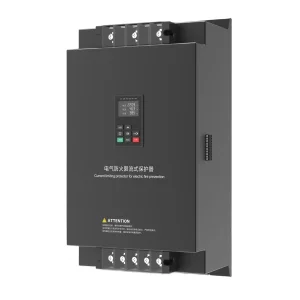
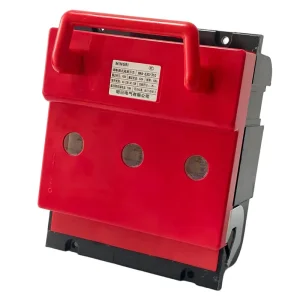
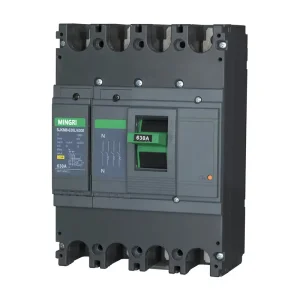
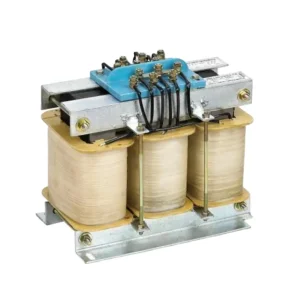
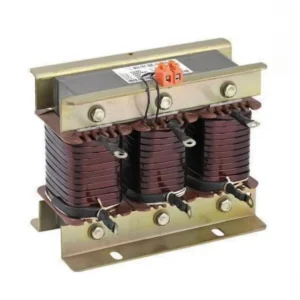
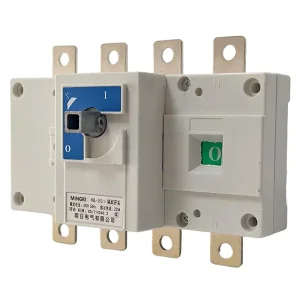
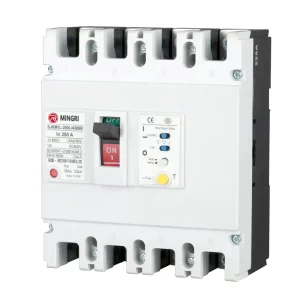
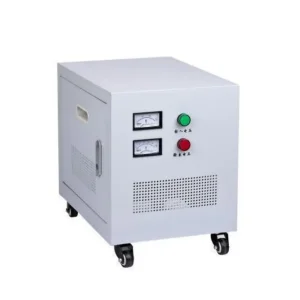
Precision Protection, Transformers & Heavy-Duty Disconnects
High-performance moulded case breakers, dry-type rectifier transformers, line reactors, and safety disconnect assemblies engineered to withstand rigorous industrial duty cycles.
Frequently Asked Questions (FAQ) on ODM Automatic Solutions
Authoritative answers to core technical inquiries regarding ODM capabilities, electrical ratings, customization scopes, and international standards verification.