Integrated Switchgear, Vacuum Breaking & Distribution Assemblies
Explore our core medium-voltage and low-voltage distribution apparatus designed to interface seamlessly with advanced voltage regulation mechanisms and transformer tap-changing systems.
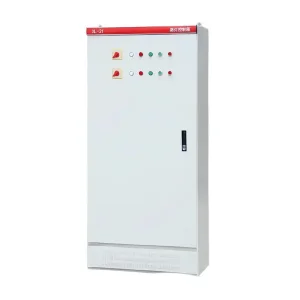
Wholesale XL-21 Power Distribution Cabinet Low Voltage Switchgear Factory, Companies
Technical Specs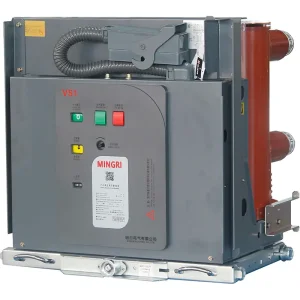
High-Quality China VS1-12/24 Indoor Withdrawable High-Voltage Vacuum Circuit Breaker Suppliers and Factory
Technical Specs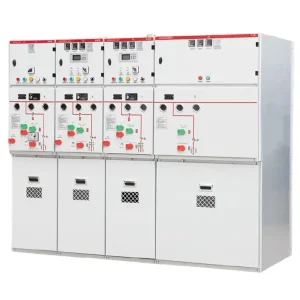
High-Quality China GXGN-12 Solid-Insulated Ring Main Unit Switchgear - Eco-Friendly, Maintenance-Free
Technical Specs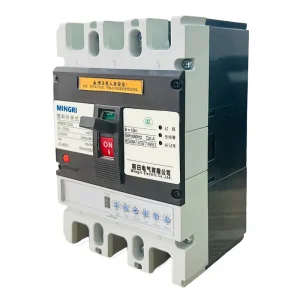
Wholesale SJKM3E Electronic Circuit Breaker (ECB) - Smart Protection 16A-800A | China Suppliers
Technical Specs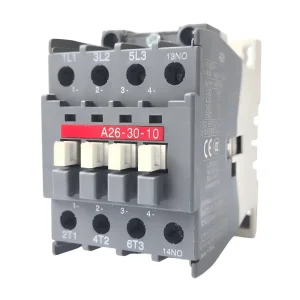
Wholesale A9~300 Series AC Contactors 50/60Hz 380V - Reliable China Suppliers & Factory
Technical Specs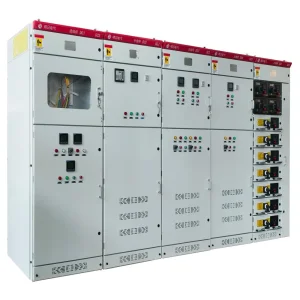
High-Quality China Low Voltage Withdrawable Switchgear Panel for Power Distribution Solutions
Technical Specs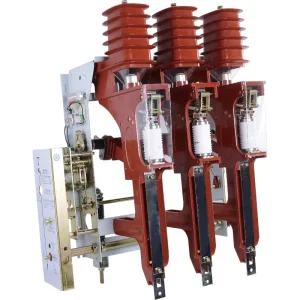
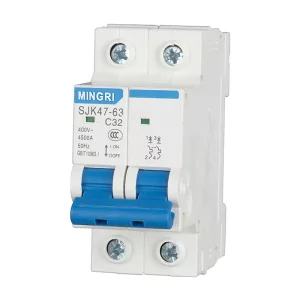
The Physics & Mechanics of Contemporary Tap-Changing Systems
In modern power engineering, the tap changer is the sole moving electromechanical apparatus operating within high-voltage transformers under load. Discover the foundational principles governing voltage transformation ratio manipulation.
OLTC (On-Load Tap Changer)
Operates under energized conditions, altering the effective turns ratio without interrupting the primary or secondary circuit load currents. Utilizes advanced transition impedances—either fast-acting resistance transitions (Jansen principle) or inductive reactors—to limit circulating currents during bridge sequences.
- Diverter Switch Mechanism: Rapid spring-loaded energy storage snaps contacts in 10–18 milliseconds.
- Tap Selector: Pre-selects voltage steps under de-energized or zero-arcing conditions prior to transfer.
- Arc Quenching: Vacuum interrupter technology or dielectric liquid arc mitigation.
DETC / NLTC (Off-Circuit)
Engineered for periodic or seasonal voltage adjustments where transformers can be completely isolated from the primary grid. These systems alter physical tapping terminal links with high contact clamping pressure to maintain low milliohm resistance through continuous thermal cycles.
- Contact Architecture: Self-cleaning, multi-point rotary or linear sliding contact bridges.
- Zero Operating Risks: Interlocked padlock designs and microswitch telemetry preventing under-load manipulation.
- High Short-Circuit Resistance: Capable of withstanding dynamic forces exceeding 40 kA symmetrical short circuits.
Transition Impedance Topologies
Preventing an intra-winding dead short circuit across adjacent regulation taps is the defining safety requirement of tap changing. Modern industrial systems deploy dual, precision-wound nichrome or copper-nickel transition resistors configured to balance thermal loading during the critical bridge phase.
- Circulating Current Suppression: Limits short-circuit transient amplitude to safe operational margins.
- Thermal Dissipation: Rated for severe repetitive duty cycles without localized dielectric oil overheating.
- Phase Synchronization: Strict millisecond timing coordination across all 3 phases in high-power systems.
The Yueqing Industrial Cluster & Vertical Integration Advantage
Why Tier-1 EPC contractors, international electrical utilities, and heavy transformer OEMs source their critical tap-changing and switchgear architectures from our high-precision production hub.
End-to-End Vertical Supply Ecosystem
Located in the heart of China’s electrical capital (Yueqing, Wenzhou), our manufacturing operations capitalize on complete upstream and downstream integration. From in-house vacuum interrupter brazing and tungsten-copper contact sintering to precision multi-axis CNC component machining, every facet of the mechanical drive and electrical contact path is strictly controlled under ISO 9001, 14001, and 45001 frameworks.
This tight proximity eliminates tier-2 supply vulnerabilities, accelerates custom engineering lead times from months down to weeks, and drastically reduces unit fabrication costs without sacrificing metallurgical integrity.
State-of-the-Art QA & Type-Testing Facilities
Every tap-changing assembly leaving our Yueqing factory floor undergoes automated, closed-loop diagnostic validation. We simulate extreme operating environments through proprietary test rigs capable of multi-million mechanical operations and continuous waveform oscillogram analysis.
- Oscillographic Dynamic Contact Testing: Real-time capture of bridging time, bounce phenomena, and phase synchronization down to 0.1 ms accuracy.
- Partial Discharge Testing: Shielded high-voltage test bays ensuring partial discharge levels < 5 pC at 1.5× rated phase-to-ground voltage.
- Dielectric Breakdown Chambers: Routine automated oil dielectric screening complying with IEC 60156 specifications.
| Evaluation Parameter | Legacy Oil-Type OLTC | Advanced Vacuum OLTC (Factory Standard) | Off-Circuit Tap Switch (DETC) |
|---|---|---|---|
| Arc Interruption Medium | Transformer Mineral Oil (Produces carbon sludge) | Sealed Vacuum Bottle (Zero oil contamination) | None (Operated De-Energized) |
| Maintenance Cycle Interval | 50,000 – 100,000 switching operations | 300,000 – 500,000 operations | Routine visual inspection only |
| Oil Treatment Requirements | Dedicated online oil filtration plant mandatory | Zero filtration apparatus required | Standard transformer oil testing |
| Environmental & Safety Rating | Moderate flashover risk upon carbon saturation | High safety, explosion-proof design | Inherent mechanical passive safety |
| Typical Deployment Profile | Aging utility substations, conventional grids | Wind/Solar farms, steel mills, hyperscale data centers | Distribution step-down transformers |
Technological Frontiers Shaping Next-Gen Tap-Changing Systems
The global shift toward decentralized energy sources, strict F-gas decarbonization, and smart digital substations is driving revolutionary shifts in voltage regulation hardware.
Vacuum Interrupter Dominance
Arc quenching in vacuum eliminates contact erosion caused by mineral oil breakdown. By confining the switching spark within ceramic vacuum interrupters, transformer oil maintains pristine dielectric strength, removing carbon particulate accumulation and extending service life by over 300%.
Renewable Intermittency Regulation
Utility-scale solar PV and wind generation cause frequent, high-amplitude reverse power flows and voltage swings. Contemporary tap-changing mechanisms feature smart motor drive units (MDMs) capable of performing up to 150 operations daily without mechanical fatigue or thermal drift.
IoT Telemetry & Digital Twins
Smart motor mechanisms integrated with IEC 61850 protocol native cards allow SCADA dispatchers to monitor continuous motor current signatures, drive shaft torque angles, internal oil temperatures, and real-time contact wear predictive modeling via digital twin algorithms.
Natural Ester Fluid Adaptation
Global environmental mandates are driving the adoption of biodegradable synthetic and natural ester dielectric liquids (FR3). We tailor tap changer contact spacing and hydraulic divert speeds to counteract the higher viscosity and altered thermal behavior of green ester fluids.
Macro-Industry Solutions for Complex Power Infrastructure
From primary utility substations to severe heavy-duty metallurgical plants, tap changers must be custom-configured to withstand specific electrical, mechanical, and thermal stresses.
Utility Transmission & Primary Substations
For 110 kV to 220 kV bulk step-down transformers, voltage regulation is managed by automatic voltage regulators (AVR) communicating with OLTC motor drives to maintain feeder busbar voltages within tight ±1.0% bands. Integrated with our withdrawable vacuum circuit breakers (such as the VS1-12/24 series) and metal-clad switchgear, this setup forms an unyielding defense against cascading grid sag and voltage instability.
Electrometallurgical & Arc Furnace (EAF) Duty
Furnace transformers operate in severe environments characterized by repetitive short-circuits, massive harmonic distortion, and constant tap switching (often exceeding 500 operations every 24 hours). We engineer ultra-heavy-duty tap changers with reinforced copper busbars, enlarged diverter springs, and specialized tungsten-carbide arc contacts that survive intense thermomechanical shock.
Dry-Type & Prefabricated Compact Substations
In densely populated urban environments, underground commercial basements, and modular solar container substations, fire safety is paramount. Our compact vacuum OLTC and multi-step off-circuit tapping switches integrate natively with cast-resin dry transformers (such as our SC(B)11 series), eliminating flammable liquid risks while ensuring precision voltage regulation.
Engineered for Demanding Real-World Operating Environments
Field installations present extreme challenges—from sub-zero Arctic winds to desert dust storms and corrosive offshore salt spray. Explore our customized application designs.
Coastal & Offshore Wind Substations
Hermetically sealed motor control enclosures built with 316L marine-grade stainless steel (IP66). Anti-corrosion internal coatings and gold-plated auxiliary telemetry terminals safeguard critical signaling from aggressive saline atmospheric deterioration.
Hyperscale AI Data Centers
Mission-critical server racks demand steady voltage within ±1.5%. Our fast-acting vacuum tap switch mechanisms work in tandem with automatic transfer switches (ATS) to eliminate micro-sag events during high-capacity cooling plant cut-ins.
Underground Mining & Excavation
Explosion-proof, ultra-compact tap changing units specifically dimensioned for mobile skid-mounted flameproof mining substations. Built with heavy mechanical damping to withstand continuous blasting vibrations up to 4G forces.
Utility Photovoltaic Step-Up Yards
Optimized for diurnal thermal cycling where ambient desert temperatures swing from -10°C at night to +55°C at peak solar noon. High-viscosity thermal dissipation channels ensure seamless diverter action without oil coagulation.
Global EPC Procurement & Technical Compliance Checklist
A rigorous specification framework based on IEC 60214-1, IEC 60214-2, and IEEE C57.131 standards to assist substation design engineers and procurement teams during factory audits and technical bidding.
1. Critical Electrical Ratings
Specify the exact tapping configuration to eliminate dielectric flashovers between tapping leads:
- Rated Through-Current ($I_u$): Include maximum overload current factors (e.g., 120% continuous).
- Step Voltage ($U_i$): Voltage differential across adjacent tapping steps (typically 1.25% to 2.5%).
- Short-Circuit Withstand ($I_{cw}$): Guaranteed dynamic peak current withstand for 2.0 to 3.0 seconds.
2. Mechanical Rigor & Life Expectancy
Mandate clear operational metrics in the EPC technical tender documentation:
- Spring Energy Mechanism: Class M2 endurance ratings guaranteeing 500,000 operations without component failure.
- Motor Drive Protection: Anti-condensation heater, mechanical limit switches, reverse-phase interlocking, and emergency hand-crank interlock.
- Contact Wear Margin: Measurable contact erosion limits verifiable via routine micro-ohmmeter tests.
3. Mandatory FAT Testing Matrix
Factory Acceptance Testing must be witnessed or certified by accredited independent laboratories:
- Sequence Timing Test: Oscillographic proof that transition resistor bridging time and break time match engineering specs.
- Power Frequency Withstand: AC dielectric testing across open contacts, between phases, and from tap selector to ground.
- Pressure & Vacuum Tightness: Helium mass spectrometry leak tests on all sealed vacuum bottles and tank seals.
Frequently Asked Questions on Tap-Changing Technology
Comprehensive engineering insights addressing design, commissioning, failure prevention, and lifecycle economics.
In a combined selector switch design, tap selection and current arc interruption occur on the very same contacts, which limits total rated through-current and operational life. In a separate diverter switch and tap selector design, the tap selector moves while entirely de-energized to prepare the circuit for the subsequent tap position. Only then does the rapid-action spring-driven diverter switch actuate to transfer the continuous load current across transition resistors in milliseconds. This separation isolates heavy switching arcing entirely inside the diverter chamber, drastically extending selector life and allowing higher current ratings.
Traditional oil-break tap changers extinguish electrical arcs directly inside the transformer mineral oil. This process cracks hydrocarbon molecules, generating carbon deposits (sludge), combustible dissolved gases (acetylene, hydrogen), and severe contact erosion. Consequently, utilities must install expensive online filtration units and overhaul diverters every 50,000 operations. Vacuum OLTCs hermetically contain the arc inside specialized ceramic vacuum bottles. As a result, the surrounding dielectric oil remains clean, contact life extends beyond 300,000–500,000 operations, and transformer overall reliability surges.
Field statistical studies indicate three primary failure vectors: 1) Diverter spring mechanism fatigue or breakage causing the switch to stall in the middle of a transition, which burns out the transition resistors and triggers an intra-winding phase fault; 2) Mechanical drive shaft binding, misalignment, or microswitch failure in the motor drive mechanism (MDM); and 3) Carbon contamination buildup in oil-type diverter tanks reducing dielectric withstand and causing line-to-ground flashovers. These risks are mitigated through vacuum interrupter adoption, redundant spring kinematics, and dynamic torque monitoring.
AVR relays employ programmable time-delay curves (definite time or inverse time delay) and adjustable deadband windows (typically ±1.0% to ±2.5% of nominal voltage). When short-term voltage transients or sudden motor starts occur, the deadband and time-delay algorithm prevent the tap changer from making immediate, useless tap adjustments. The OLTC acts only when the busbar voltage remains outside standard parameters for a persistent, calibrated duration, significantly extending the mechanical life of drive linkages.
Yes. Natural and synthetic ester fluids have higher kinematic viscosity and lower pour points than traditional mineral oil. When pairing tap changers with ester-filled transformers, our engineering team widens oil flow channels, utilizes optimized low-viscosity damping mechanisms, and selects contact clearances that satisfy the specific dielectric recovery characteristics of ester liquids, fully complying with IEC 60076-14 standards.
Commissioning involves rigorous four-step validation: First, perform manual hand-cranking throughout the complete mechanical range (e.g., tap 1 to tap 17 and back) while checking the tap position indicator, mechanical end stops, and electrical limit switches. Second, measure contact resistance across all tap steps using a low-resistance digital micro-ohmmeter. Third, execute dynamic timing and oscillography tests to confirm contact transition times are within factory limits (< 15 ms). Finally, verify motor phase rotation, remote SCADA tap raise/lower commands, and trip interlocks before system energization.
Transformers, Regulation Apparatus & Protection Devices
A full portfolio of complementary power equipment engineered to deliver total system performance, safety, and uninterrupted operational reliability.
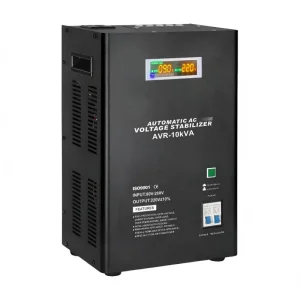
Wholesale AVR Single Phase Series Fully Automatic AC Voltage Regulator Manufacturers, Companies
Technical Specs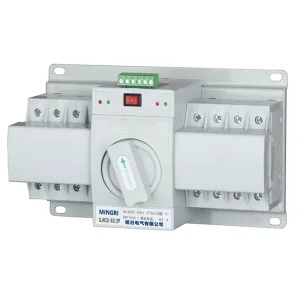
ODM SJKQ1 ATS Automatic Transfer Switch - Reliable Power Solution from China Suppliers and Factory
Technical Specs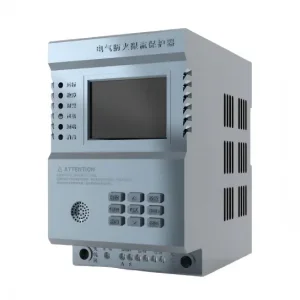
Wholesale Single phase current limiting protector 20-80A 220VAC Manufacturer, Company
Technical Specs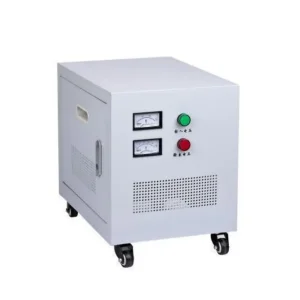
ODM SG/ZSG/SBK Series Three-Phase Dry-Type (Rectifier) Transformer Supplier, Manufacturers
Technical Specs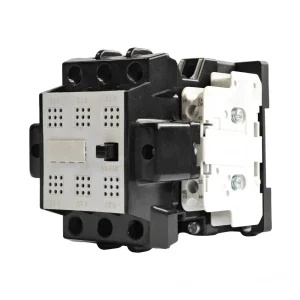
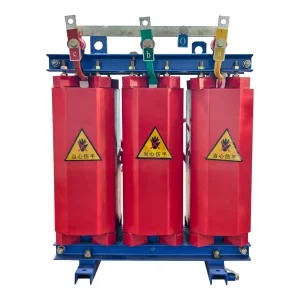
High-Quality SC(B)11 10kv Resin-Insulated Dry Casting Transformer for Electric Supply
Technical Specs