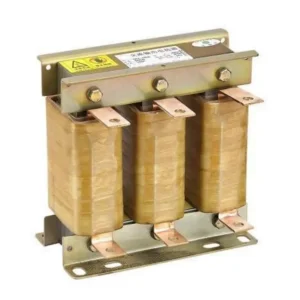
Featured Medium & Low-Voltage Power Assemblies
Factory-direct electrical distribution apparatus leveraging NOMEX-based barrier protection, resin encapsulation, and dynamic switching controls.
-
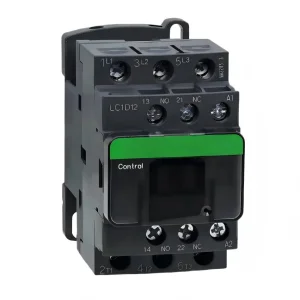
OEM LC1D Series AC contactor 50/60Hz 660V Manufacturers, Factories
-
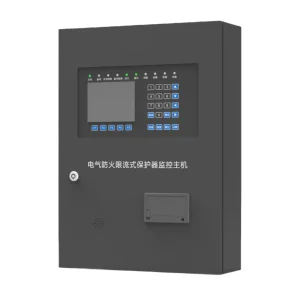
China China Current-limiting Protector System Main Unit - Reliable Suppliers and Factory Solutions for Power Data Management Supplier, Factory
-
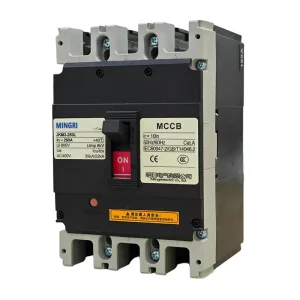
High-Quality SJKM3 MCCB Moulded Case Circuit Breaker with Overload Protection Supplier, Company
-
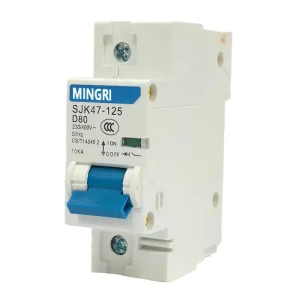
Wholesale SJK47-125 MCB Miniature circuit breaker DIN Rail Mountable Factories, Company
-
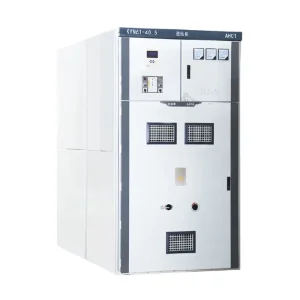
ODM China KYN61-40.5 Armoured Moving Type AC Metal Enclosed Switchgear - Suppliers & Factory for High Voltage Solutions Suppliers, Companies
-
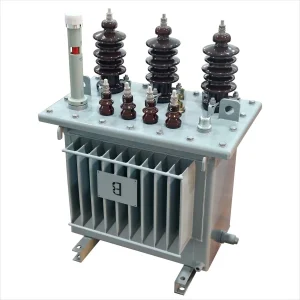
Wholesale S13-M 10kV Hermetically Sealed Distribution Transformer - High Efficiency from China Suppliers and Factory Manufacturers, Company
-
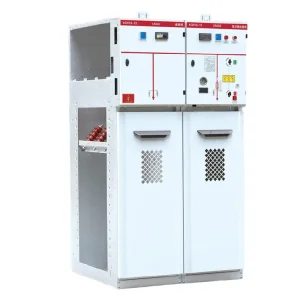
China China XGN15-12 Metal-Clad Fixed-Type Ring Main Unit Switchgear - Leading Suppliers and Factory for 12kV Distribution Solutions Suppliers, Supplier
-
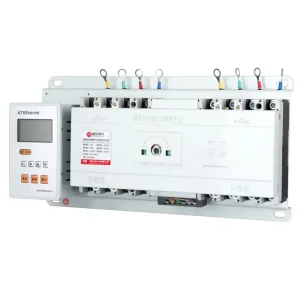
ODM SJKQ2Z ATS Switch Dual Power For LV Power Manufacturers, Factory
Aramid Paper Engineering & Technological Roadmap
Evaluating meta-aramid matrices, thermal degradation boundaries, and hybrid insulation architectures across high-stress power distribution nodes.
Thermal Endurance: Class H to C
NOMEX® aramid papers (poly-m-phenylene isophthalamide) maintain dielectric integrity exceeding 220°C continuous operation. Unlike conventional kraft paper or standard pressboard, thermal aging does not result in embrittlement or moisture release within enclosed transformer oil-dielectric chambers.
This allows compact transformer designs (dry-type and cast resin) with footprint reductions reaching up to 25% while sustaining sudden thermal peaks during overload scenarios.
Dielectric Rigidity & Arc Suppression
Aramid fibers exhibit an intrinsic dielectric breakdown strength of > 30 kV/mm (800 V/mil). In medium-voltage switchgear partitions such as KYN61-40.5 and XGN15-12 RMU compartments, it suppresses internal arc propagation without producing corrosive or toxic byproducts.
Its low dielectric constant (ε ≈ 1.5–2.5) closely aligns with dielectric oils and epoxy resins, effectively equalizing electric stress gradients across high-voltage insulation gaps.
Hybrid Laminates & Future Outlook
Next-generation R&D merges aramid nano-fibers with polyimide (PI) matrices and fluoropolymer laminates (NMN/NPN configurations). The incorporation of surface-functionalized boron nitride micro-fillers enables anisotropic thermal dissipation.
This innovation eliminates hotspot formation in electric vehicle (EV) traction drive units, grid-scale BESS inverters, and high-frequency variable speed drive reactors.
| Insulation Parameter | Standard Kraft Presspaper | Polyester Film (PET/DMD) | NOMEX® Aramid Matrix (Type 410) |
|---|---|---|---|
| Operating Temperature Rating | 105°C (Class A) | 130°C–155°C (Class B/F) | 220°C (Class C/H) |
| Dielectric Strength (Short-term, in air) | 8 - 12 kV/mm | 16 - 20 kV/mm | > 32 kV/mm |
| Flammability Rating (UL 94) | Combustible (HB) | V-1 to V-0 | UL 94 V-0 (Self-extinguishing) |
| Moisture Absorption (Equilibrium) | 7.0% - 9.0% | 0.8% - 1.2% | < 3.0% (Fast dynamic desorption) |
| Chemical / Solvent Resistance | Moderate (Degrades with acidity) | High (Risk of hydrolysis) | Exceptional across oils, solvents & SF6 |
Macro-Industry Deployment Paradigms
Optimized aramid dielectric insulation adapted for demanding, mission-critical infrastructure sectors worldwide.
Hyperscale Cloud & Data Centers
Uninterruptible reliability is non-negotiable. Using dry-type transformers wrapped with high-purity aramid paper barrier insulation eliminates fluid ignition hazards indoors. Paired with fast-switching Automatic Transfer Switches (SJKQ1/SJKQ2Z) and current-limiting protector main units, power density is maximized within multi-tenant computing enclosures.
Utility-Scale Solar PV & BESS
Step-up skid transformers and containerized compact substations endure volatile ambient heat and cyclical overloads. Aramid insulation accommodates extreme thermal cycling without delamination, safeguarding pad-mounted units, incoming/outgoing line reactors, and disconnect banks from premature dielectric breakdown under heavy harmonic loads.
Marine, Offshore & Mining Networks
High relative humidity, salt mist, and mechanical shock can severely degrade organic insulations. Nomex-infused composite insulation panels in KYN28/KYN61 switchgears withstand corrosive conditions, avoiding partial discharge and dielectric flashover across harsh maritime, underground tunneling, and heavy metallurgy processing plants.
China Factory 4.0: Modern Supply Chain Resilience
Integrated manufacturing hubs in Yueqing and Yangtze River Delta deliver scale, precision slitting, and zero-defect compliance for global electrical OEMs.
Precision CNC Slitting
Automated cutting, creasing, and cuffing production lines guarantee tolerances under ±0.05mm, preventing edge micro-burrs that induce localized partial discharge (PD).
Smart Dielectric Testing
Automated breakdown voltage rigs, impulse testing up to 125kV BIL, and ultrasonic void screening ensure zero structural anomalies before coil fabrication.
Deep Raw Material Security
Strategic buffers of virgin aramid fiber combined with localized high-grade chemical resins insulate purchasers against global supply shortages and lead-time volatility.
Traceability & QA Gates
Every slit roll and molded insulation barrier includes complete batch serialization, tying resin cure kinetics, tensile test curves, and dielectric logs directly into MES records.
Global Procurement, EPC Alignment & Compliance
Navigating regional certification barriers, custom-dimension conversions, and strict QA protocols for multinational energy infrastructure projects.
Global Standard Compliance
Factory processes adhere to IEC 60076 (Power Transformers), IEC 62271 (High-Voltage Switchgear & Controlgear), IEEE C57 series, and UL 1446 Electrical Insulation Systems (EIS). Turnkey test dossiers simplify utility FAT (Factory Acceptance Testing).
Custom Formats & Slitting
From micro-thickness creped paper for lead wrapping to rigid punched aramid phase barriers, winding cylinders, and channel ducts. Customized die-cut geometries are delivered directly to OEM assembly jigs, cutting down assembly labor hours significantly.
Localized Export Support
Equipped with vacuum-sealed vapor barrier packaging, desiccated crating, and humidity tracking cards for ocean transport. Direct engineering collaboration via CAD/BIM integrations streamlines the translation of client specifications into factory-ready drawings.
Frequently Asked Technical Questions
Common inquiries from electrical project managers, utility engineers, and international procurement teams regarding NOMEX insulation integration.
How does NOMEX insulation improve transformer life cycles compared to Kraft paper?
NOMEX aramid insulation handles operating temperatures above 220°C without mechanical degradation, whereas cellulose-based Kraft paper begins deteriorating rapidly past 105°C. In high-load or fluctuating environments, this thermal tolerance eliminates hotspot degradation, prevents cellulose dehydration, and extends asset operating lifetimes to 30–40 years.
Can NOMEX materials be combined with traditional epoxy resins and dielectric oils?
Yes. NOMEX paper exhibits high chemical stability across synthetic ester liquids, natural vegetable esters, standard mineral oils, and cast epoxy varnishes. Because its dielectric constant closely matches common transformer fluids, it mitigates electrical field concentration at liquid-solid boundaries, improving overall impulse withstand ratings.
What quality validation methods are applied during insulation parts fabrication?
Factory-level testing protocols include automated dielectric breakdown voltage evaluation (ASTM D149), micrometer caliper dimensional audits, thermal shrinkage analysis at 200°C, and surface moisture testing. Finished insulated assemblies destined for medium-voltage switchgear also undergo full partial discharge (PD) testing under IEC 60270 conditions.
What lead times and minimum order quantities apply to customized aramid parts?
Standard slit aramid coils and standard pre-punched shapes maintain typical lead windows of 2 to 3 weeks. Custom-machined insulation cylinders, phase shields, and thermoformed shapes require preliminary tooling validation, delivering first-article approval within 10–15 business days. Flexible trial MOQs support project-based prototyping.
High-Voltage Switching & Distribution Equipment
Explore reliable disconnectors, load break switches, automatic transfer switches, and series regulators built to international standards.
-
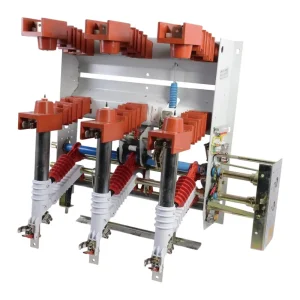
ODM High Voltage Load Breaker Switch FK(R)N12-24D - 24kV Solutions from China Suppliers and Factory Suppliers, Factory
-
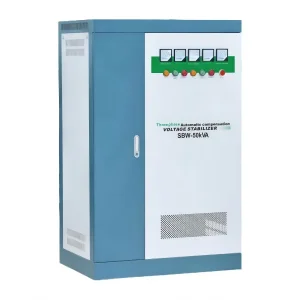
ODM SBW Three Phases Series Compensated Power Voltage Regulator Suppliers, Supplier
-
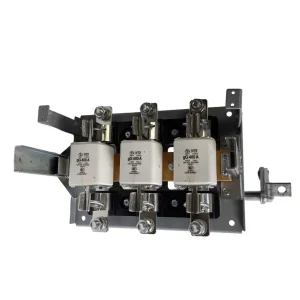
Wholesale HR3 Fuse Type Knife Switch for Motor Protection Manufacturers, Factories
-
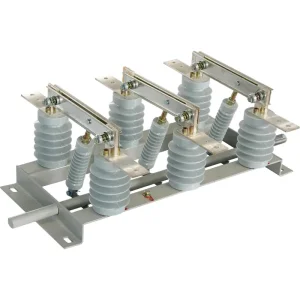
OEM China GN19-12 Indoor High-Voltage Isolating Switch Factory & Suppliers for Reliable Power Solutions Factories, Factory
-
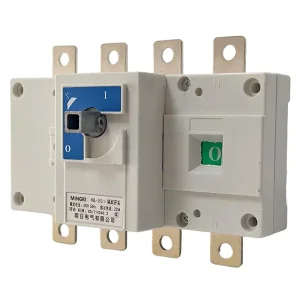
Wholesale HGL Load Isolation Switch 63A-3150A - Reliable China Suppliers & Factory for Industrial Power Solutions Suppliers, Company
-
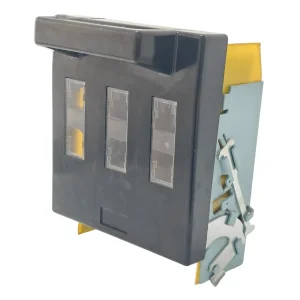
OEM HR5 Fused Disconnect Switch with Visible Contacts Supplier, Factory
-
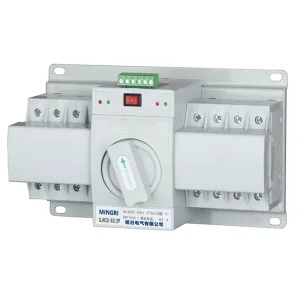
ODM SJKQ1 ATS Automatic Transfer Switch - Reliable Power Solution from China Suppliers & Factory Supplier, Company
-
OEM Three-phase incoming and outgoing lines Reactor Factories, Factory