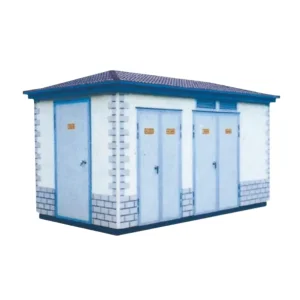
Industrial Power Distribution & Smart Grid Solutions
Terminals Suppliers & Companies for the Boston Market
Precision-engineered medium and low-voltage electrical terminals, gas-insulated switchgear, modular compact substations, and intelligent protection equipment tailored for Greater Boston's high-reliability biopharma, university campuses, and municipal grid modernizations.
Featured Boston Power Terminals & Substation Units
Engineered to deliver tier-1 continuity, footprint economy, and seamless grid step-down integration across New England electrical infrastructures.
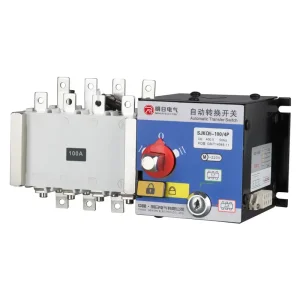
Boston Healthcare Critical Line: SJKQ5 ATS Dual Power Automatic Transfer Switch
Explore Specifications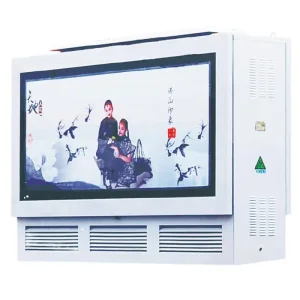
Cambridge Campus Architecture: YBD Landscape Underground Compact Substation
Explore Specifications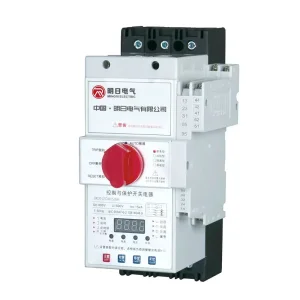
Industrial Automation: SJKCPS Control and Protective Switching Device
Explore SpecificationsBoston Industrial Landscape: Electrification & Terminal Demands
Analyzing the specific operational constraints, thermal dynamics, and compliance thresholds of Eastern Massachusetts.
Life Sciences & Cleanrooms
Greater Boston—specifically Kendall Square, the Seaport District, and Route 128—hosts the world's most concentrated biotechnology cluster. These facilities demand zero-interruption terminal equipment, dual-redundant automatic transfer systems, and localized voltage regulation capable of protecting micro-environment sequencing cleanrooms and cryogenic storage banks.
Severe Coastal Salt-Air Stress
Operating near Boston Harbor, Dorchester Bay, and offshore maritime corridors subjects electrical terminals, metal-clad enclosures, and busbar contacts to accelerated electrolytic oxidation and high relative humidity. Deploying gas-insulated switchgear (GIS) with hermetically sealed SF6 or eco-gas tanks is essential for mitigating flashovers and premature contact degradation.
Historic Footprint Constraints
Downtown Boston, Back Bay, and regional academic campuses like MIT and Harvard feature dense historic layouts where expanding traditional outdoor open-air substations is impossible. The regional engineering shift requires landscape-type underground compact substations (such as the YBD series) and modular GIS configurations to maximize vault utility.
99.999%
Continuous Uptime Mandate in Biopharma
12–40.5kV
MV Primary & Secondary Distribution Coverage
<40%
Footprint Reduction vs Air-Insulated Alternatives
IP54/IP67
Enclosure Moisture & Corrosion Protection
Regulatory Compliance Architecture: NEC, IEEE, and Massachusetts Grid Code
Specifying medium and low-voltage distribution terminal systems for installation within the Commonwealth of Massachusetts necessitates rigorous alignment with both federal codes and local utility requirements, including Eversource and National Grid standards. All switchgear, disconnect mechanisms, and protective breakers must integrate flawlessly into regional SCADA platforms while adhering to NFPA 70 (National Electrical Code) and IEEE C37 series guidelines.
Key technical design considerations include:
- Arc Flash Mitigation (IEEE 1584 & NFPA 70E): Integration of fast-acting intelligent universal circuit breakers (such as the SJKW1-2000) equipped with zone-selective interlocking (ZSI) and instantaneous trip curves to minimize arc flash incident energy ratings within commercial vault basements.
- Thermal Cycling & Condensation Defense: Massachusetts experiences extreme seasonal temperature swings, from sub-zero winter blizzards to high-humidity summer peaks. Transformer terminals and switchgear must feature internal thermo-hygrometric monitoring and anti-condensation heating elements.
- F-Gas Environmental Transition: With Massachusetts driving strict Net-Zero carbon targets, commercial infrastructure is actively transitioning away from legacy SF6 mediums toward eco-friendly gas-insulated metal-enclosed switchgear (HBXGN-12F) that utilizes alternative dielectric gas mixtures with zero ozone depletion potential.
| Architecture Type | Primary Boston Market Application | Dielectric Medium | Salt-Fog & Humidity Resistance | Maintenance Lifecycle |
|---|---|---|---|---|
| Gas Insulated Switchgear (GIS) | Seaport Marine Terminals, Underground Vaults | SF6 / Clean Air Blend | Maximum (Hermetically Sealed Tank) | 25+ Years (Maintenance-Free Tank) |
| Air Insulated Switchgear (AIS) | Inland Industrial Plants, Route 495 Suburbs | Ambient Atmospheric Air | Moderate (Demands Climate Control) | Periodic Contact & Busbar Inspections |
| Landscape Underground Substation | Urban Cambridge Parks, Institutional Campuses | Mineral Oil / Synthetic Ester | Submersible / Flood-Proof (IP67 Class) | 15–20 Year Fluid Quality Verification |
| Dual-Power ATS Terminals | Hospital Intensive Care Units, Data Centers | Solid High-Dielectric Polymers | High (Surface-Treated Busbars) | 50,000+ Mechanical Cycles (Self-Cleaning Contacts) |
Sourcing Advantages: Direct China Manufacturing to Boston Turnkey Deployment
Global Engineering, Procurement, and Construction (EPC) firms handling Boston capital projects continually face inflated domestic supply chain lead times—often exceeding 50 to 70 weeks for specialized medium-voltage switchgear and transformers. Leveraging Mingri Electric's advanced Yueqing manufacturing infrastructure unlocks distinct competitive advantages:
- Lead Time Compression: Direct factory-floor scheduling and modular platform engineering reduce custom switchgear and compact substation production horizons down to 8–16 weeks.
- Exacting Quality Verification: State-of-the-art partial discharge testing, lightning impulse withstand tests (BIL up to 200kV), mechanical endurance testing, and temperature-rise validation under ISO 9001, ISO 14001, and ISO 45001 registered protocols.
- Tailored OEM/ODM Co-Development: Direct collaboration with EPC consulting engineers allows custom terminal tap configurations, tailored auxiliary contacts (LADN series), and specific busbar drillings accommodating NEMA-standard spade lugs.
Comprehensive Industrial Terminal & Control Catalog
Standardized, reliable low- and medium-voltage protection switches, contactors, step-down transformers, and gas-insulated enclosures.
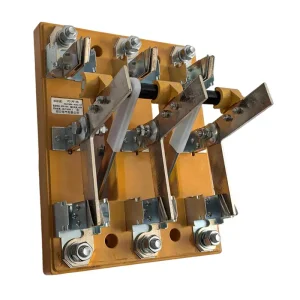
Heavy Isolation: HS13BX Double Throw Rotary Knife Disconnect Switch
Explore Specifications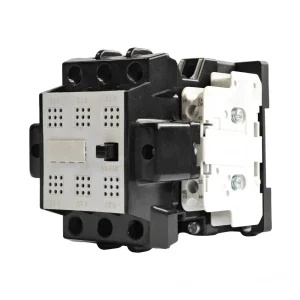
Motor Control Terminal: CJX1 (3TB) Series AC Contactors 9-400A 380V
Explore Specifications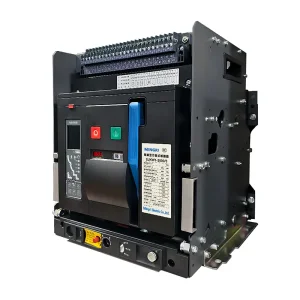
Smart Main Feeder: SJKW1-2000 Intelligent Universal Circuit Breaker
Explore Specifications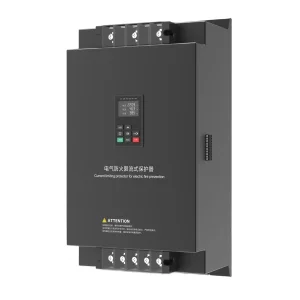
Safety Safety Protocol: 250A Three-Phase Fire Prevention Current Limiter
Explore Specifications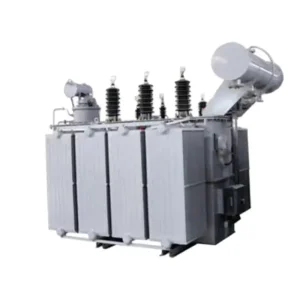
Medium Grid Transformation: S11 Type 35kV Series Distribution Transformer
Explore Specifications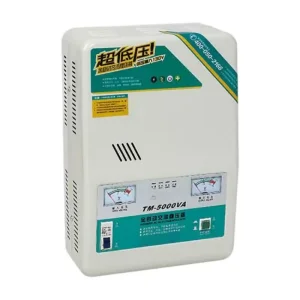
Precision Laboratory Protection: TM Single-Phase Automatic AC Voltage Regulator
Explore Specifications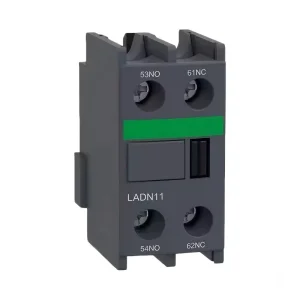
Terminal Signaling Module: LADN 1NO 1NC Auxiliary Contact Block
Explore Specifications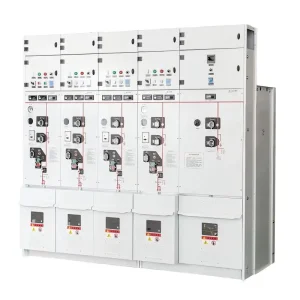
Next-Gen Sustainable Grid: HBXGN-12(F) Eco-Gas Insulated Switchgear
Explore SpecificationsFrequently Asked Technical Questions (Boston Market Procurement)
Addressing core integration, certification, and engineering parameters for electrical contractors and panel builders.
How do terminal connectors and busbar designs accommodate IEEE/NEMA standard sizing versus IEC configurations?
While our core switchgear units are engineered under IEC 62271-200 frameworks, our manufacturing facility provides fully customized terminal palm plates, pre-punched copper busbars, and NEMA 2-hole and 4-hole pad configurations. This guarantees direct compatibility with standard North American mechanical compression lugs and aluminum/copper feeder cables used throughout New England.
Can the YBD underground compact substations operate safely in low-lying coastal flood zones like East Boston?
Yes. The YBD series features an IP67-rated submersible transformer and sealed medium-voltage compartments designed to withstand temporary immersion during severe storm surges. Additionally, corrosion-resistant stainless-steel enclosures (AISI 304 or 316L) with marine-grade thermoset powder coatings ensure total resilience against brackish groundwater and salt spray.
What is the typical lead time for custom-engineered medium voltage switchgear delivered to the Port of Boston?
Standard configured switchgear (such as SM6, RM6, or KYN28-12) requires approximately 4 to 6 weeks for fabrication, assembly, and comprehensive routine factory testing. Ocean freight directly to the Conley Terminal (Port of Boston) takes roughly 28 to 35 days, providing a total lead time that is often 60% faster than typical domestic suppliers experiencing extended backlogs.
Are smart monitoring accessories available for integration with existing building management systems (BMS)?
Every intelligent breaker (such as the SJKW1-2000) and automated transfer switch can be configured with standard Modbus-RTU, Profibus, or IEC 61850 communication modules. These allow real-time reporting of contact temperature, current imbalance, phase voltage, and switch status directly into supervisory SCADA or institutional BMS consoles commonly used in Massachusetts academic and commercial facilities.