Flagship Heavy-Duty Power & Connection Solutions for Chubu EPCs
High-reliability terminal switchgear, precision dry casting transformers, and circuit protection systems calibrated specifically for the 60 Hz electrical demands of Nagoya manufacturing plants.
-
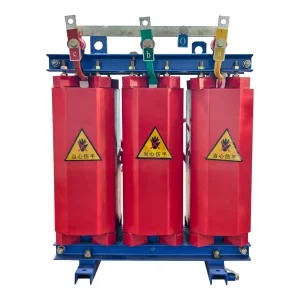 High-Quality SC(B)11 10kV Resin-Insulated Dry Casting Transformer for Nagoya Heavy Industries➔ View Product Specs
-
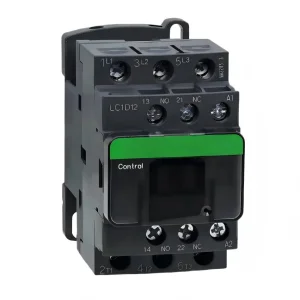 OEM LC1D Series AC Contactor 50/60Hz 660V for Nagoya Automation & Motor Terminals➔ View Product Specs
-
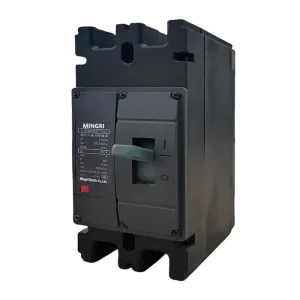 High-Quality SJKM5DC DC Molded Case Circuit Breaker for Nagoya Clean Energy & Battery Arrays➔ View Product Specs
-
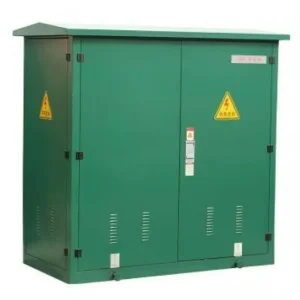 ODM ZGS11-H(Z) Combined Compact Substation Transformer for Aichi Industrial Campuses➔ View Product Specs
Nagoya's High-Precision Industrial Demands on Modern ODM Terminals
As the capital of Aichi Prefecture and the epicenter of the Greater Chukyo Industrial Zone, Nagoya demands electrical interconnects with zero-failure tolerance under extreme vibrational, thermal, and harmonic stress.
Automotive & EV Power Train Systems
Nagoya's automotive belt—housing global OEMs and multi-tier component supply chains in Toyota City, Kariya, and Okazaki—is transitioning toward high-voltage xEV architecture (800V+ platforms). This shift demands copper busbar terminals and medium-voltage feedthroughs capable of resisting severe thermal cycle shocks, partial discharge, and electrodynamic stress.
High-Speed Robotics & Machine Tools
With Nagoya hosting the world’s most dense robotic assembly lines and CNC machining centers, connection terminals within distribution control cabinets require certified anti-loosening spring clamps, gas-tight screw connections, and gold/silver-plated contacts to prevent micro-arcing and intermittent continuity errors caused by shop-floor vibration.
Port of Nagoya & Heavy Logistics
Handling the highest cargo value of any maritime port in Japan, Nagoya’s automated container terminals and coastal crane networks experience harsh salt-fog marine environments. Our terminals feature electro-tin and nickel-barrier plating that surpasses 1,000 hours of neutral salt spray testing (JIS Z 2371 standards) without surface degradation.
The Yueqing ODM Advantage: Engineering Precision with Unmatched Scale
Combining over three decades of terminal and switchgear R&D with vertical supply chain integration, Mingri Electric delivers customized original design manufacturing that reduces lead times and unit costs for Japanese tier-1 system integrators.
Precision Metallurgical Stamping
Our facilities utilize high-speed progressive die stamping machines with micron-level tolerances. Using certified C11000 electrolytic copper strip (oxygen-free, electrical conductivity ≥100% IACS), our terminal blocks avoid micro-fissures during intense crimping, ensuring steady thermal expansion properties compliant with JIS C 2811 standards.
Advanced Surface Plating Metallurgy
To combat galvanic corrosion in harsh industrial ambients across Tokai region facilities, we provide electro-tin (3–8μm), hard silver (5–15μm), and nickel-barrier finishes. Every batch is validated using X-ray fluorescence (XRF) coating thickness analyzers and adhesion cross-hatch testing.
Bespoke Tooling & Rapid Prototyping
For proprietary Japanese industrial panel configurations, we design and produce custom mold tooling within 14 working days. Full 3D CAD modeling, finite element thermal simulation (FEA), and mold-flow analysis ensure that newly developed terminals seat securely into customized terminal rails and switchgear enclosures.
| Performance Parameter | Generic Commercial Terminals | Mingri Yueqing ODM Terminals | Nagoya Heavy Industry Benchmark |
|---|---|---|---|
| Base Conductor Material | Recycled H62/H65 Brass or Mixed Copper | Oxygen-Free ETP Copper (C11000, 99.95% Cu) | High-Conductivity JIS H 3100 C1100 |
| Current Density Capacity | 1.8 – 2.2 A/mm² | 3.0 – 4.0 A/mm² (Reduced Heat Flux) | ≥ 3.2 A/mm² under continuous load |
| Dielectric Insulation Shell | Standard Recycled Polyamide 6 | Virgin PA66 reinforced with glass fiber (UL 94 V-0) | Halogen-Free, Flame-Retardant JIS C 8201 |
| Thermal Rise @ Rated Load | ΔT > 55K (Exceeds safe threshold) | ΔT ≤ 30K (Significantly lower degradation) | ΔT ≤ 35K per JEC-2300 standard |
| Vibration Endurance Test | 10–55 Hz, 0.75mm amplitude | IEC 60068-2-6 (10–500 Hz, 5g acceleration) | Shinkansen / Automotive class anti-vibration |
Tailored Terminal & Power Switchgear Applications in Chubu
Understanding the intersection between localized Japanese engineering standards and international IEC specifications allows seamless integration into high-profile regional projects.
Automated Battery Assembly Lines
High-voltage battery module test cells in Toyota City and Aichi eco-parks require heavy-current DC connection terminals. Our terminals incorporate high-creepage insulation spacers that prevent flashovers during high-voltage hi-pot insulation screening (up to 5kV AC withstand test).
Aerospace Assembly Cleanrooms
Aerospace tooling facilities in northern Nagoya require power terminals that emit zero volatile organic compounds (VOCs) and halogen-free combustion off-gases. Mingri PA66 and solid-state resin components satisfy the strictest outgassing and flammability parameters.
Chubu Distributed Solar & Microgrids
Rooftop commercial photovoltaic systems across Nagoya industrial parks require 1500V DC rated molded-case circuit breakers, outdoor cable branch boxes, and weather-sealed terminals capable of resisting extreme seasonal humidity and Tokai typhoons.
Strategic Sourcing Framework for Japanese EPC Contractors
Streamlining the cross-border supply chain between Ningbo/Wenzhou ports and the Port of Nagoya to maximize capital efficiency and guarantee delivery schedules.
Direct Sea-Lane Supply Chain
Located adjacent to Ningbo-Zhoushan port, our Yueqing factory provides rapid 3-to-5 day maritime freight routes directly to the Port of Nagoya. This eliminates extensive warehousing bottlenecks and supports Just-In-Time (Kanban) delivery schedules.
Dual IEC/JIS Full Traceability
Every batch of terminals and switchgear units is issued complete Mill Test Certificates (MTC), raw material copper spectroscopic analyses, and full insulation breakdown test records, giving quality assurance directors complete peace of mind.
TCO Reduction of 28% to 42%
By migrating from legacy domestic sourcing to Mingri Electric's vertically integrated ODM manufacturing lines, engineering contractors eliminate third-party trading markups while gaining full control over custom design features and branding.
Accelerate Your Nagoya Engineering Projects Today
Connect directly with our senior electrical engineering team. We supply tailored sample prototypes, dimensional CAD 3D STEP files, and custom tooling quotations within 48 hours.
✉ Send Inquiry NowTechnical & Procurement FAQ for Nagoya Buyers
Answers to common inquiries regarding Japanese electrical grid frequencies, international certifications, ODM customization, and logistics.
Japan is divided into two distinct grid frequencies: 50 Hz in the East (Tokyo/Tohoku) and 60 Hz in the West (Nagoya/Chubu/Kansai). Operating at 60 Hz causes increased eddy-current heating and skin effect in conductors. Mingri Electric engineers calculate conductor cross-sections, magnetic circuits, and ventilation clearances to prevent thermal derating under Chubu Electric Power Grid standard conditions.
Yes. While our core catalog aligns with IEC 60947, IEC 62271, and ISO 9001 systems, our custom ODM department designs contact plates, pitch spacings, bolt sizes (metric M-threads), and insulation clearances that conform precisely to Japanese Industrial Standards (JIS C 2811, JIS C 8201, and JEC-2300 requirements).
For coastal and dockside switchgear installations subject to marine salt fog, we recommend our specialized dual-layer nickel-tin or bright acid-tin electroplating with an average thickness of 8–12μm, or heavy silver plating (10–15μm) for high-amperage disconnect contacts to prevent galvanic sulfur and chloride corrosion.
Preliminary 3D CAD modeling, FEA thermal simulations, and technical evaluations are completed within 48 to 72 hours. Prototype molds are fabricated and tested in 14 to 20 working days. Following prototype sign-off by your engineering team, mass production and dispatch to Nagoya via Ningbo Port typically take 15 to 25 days.
Our switchgear cubicles (such as KYN28 and XGN15) and terminal connection busbars are engineered with reinforced steel frameworks, vibration-proof Nord-Lock washer compatibility, and flexible braided copper expansion connectors tested to withstand Level 2 earthquake acceleration spectra without structural disruption.
Each batch ships with a comprehensive Quality Inspection Dossier including raw material mill test certificates (C11000 copper purity), plating thickness XRF readings, mechanical pull-out force tests, withstand voltage (hi-pot) certificates, and dimensional CMM inspection reports.
Medium-Voltage Switchgear, Protection & Distribution Terminal Units
Engineered for seamless integration into industrial power distribution networks, automated factory substations, and commercial switchboards across Nagoya and Chubu.
-
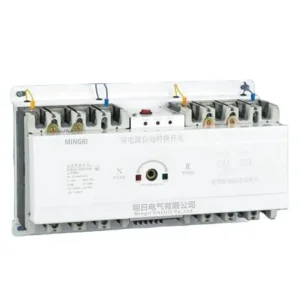 High-Quality SJKQ2 Dual Power Automatic Transfer Switch for Nagoya Continuous Power Plants➔ View Product Specs
-
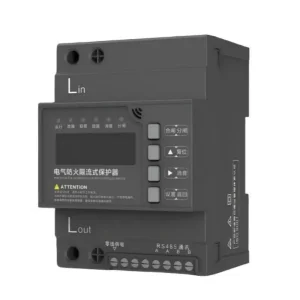 ODM Single Phase Fire-Resistant Current Limiting Protector for Nagoya Control Panels➔ View Product Specs
-
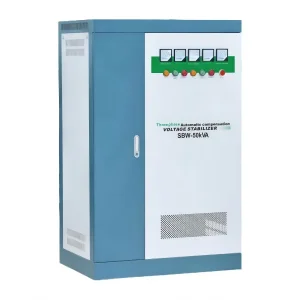 ODM SBW Three-Phase Series Compensated Voltage Regulator for Nagoya Precision CNC Plants➔ View Product Specs
-
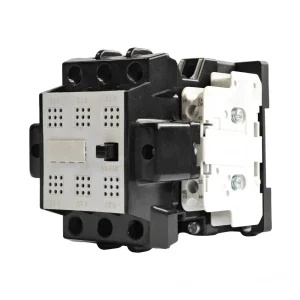 China CJX1 (3TB) Series AC Contactors 9-400A 380V for Nagoya Machinery Automation➔ View Product Specs
-
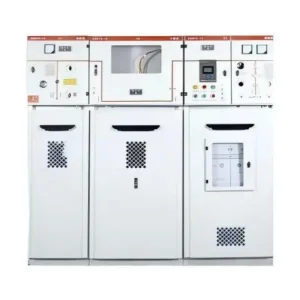 China XGN15-12 Metal-Clad Fixed-Type RMU Switchgear for Nagoya 12kV Power Substation➔ View Product Specs
-
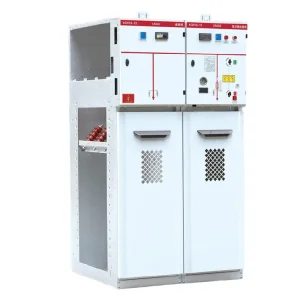 China XGN15-12 Switchgear for Aichi 12kV Urban Distribution Grid Infrastructure➔ View Product Specs
-
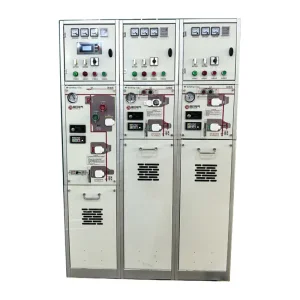 OEM MR-SafeRing-12 Fully Insulated Gas-Tight Ring Switchgear for Nagoya Distribution➔ View Product Specs
-
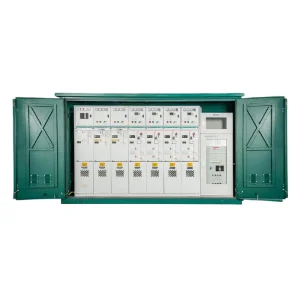 ODM DFW Outdoor High Voltage Cable Branch Box Cabinet for Nagoya Underground Lines➔ View Product Specs
Build Reliable Electrical Infrastructure with Mingri Electric
Whether you need custom-stamped terminal lugs for automotive battery assemblies or medium-voltage ring main units certified for Japanese industrial applications, our engineering specialists are ready to collaborate.
✉ Send Inquiry Now