High-Performance Switching & Power Control Assemblies
Direct-from-factory wholesale components and heavy-duty switchgear units rigorously tested for dielectric withstand, thermal continuity, and long-term operating durability.
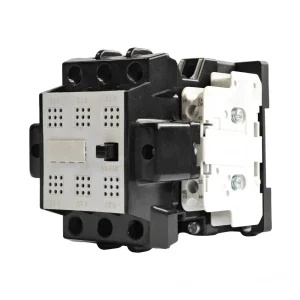
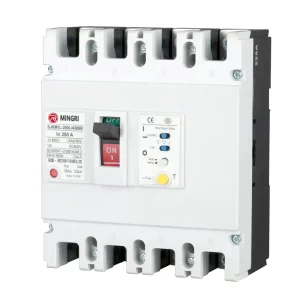
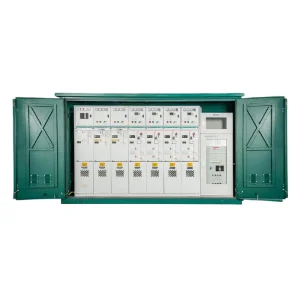
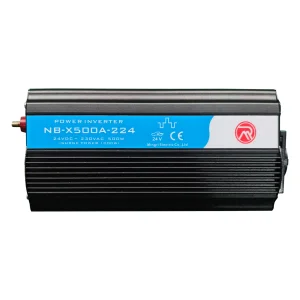
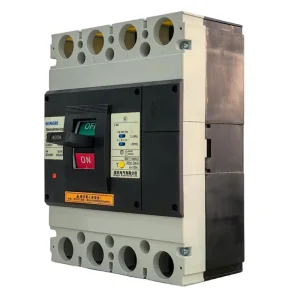
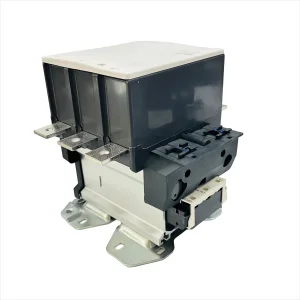
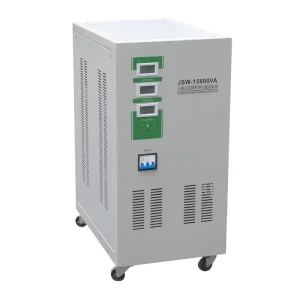
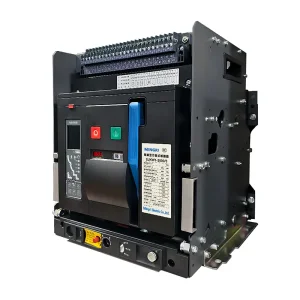
The Decarbonization Paradigm: Phasing Out Greenhouse Gases
Meeting global net-zero targets requires an immediate structural shift in medium-voltage distribution systems, transitioning away from high-GWP sulfur hexafluoride toward advanced solid dielectric insulation.
Stringent Regulatory Compliance
Under revised international environmental frameworks—including the European Union F-Gas Regulation (EU 2024/573) and North American EPA Clean Air initiatives—SF6 gas in medium-voltage switchgear is facing mandatory phase-out milestones from 2026 to 2030. Solid-insulated technology guarantees total regulatory immunity by utilizing inert, high-molecular solid polymer encapsulation.
- Zero F-Gas reporting liabilities
- Exceeds ISO 14001 Environmental targets
Elimination of Toxic By-Products
When electric arcing occurs inside traditional SF6 switchgear, the gas decomposes into highly toxic, highly corrosive decomposition products like sulfur dioxide (SO2), disulfur decafluoride (S2F10), and hydrofluoric acid (HF). Solid-insulated switchgear houses vacuum interrupters completely within solid epoxy cast bodies, rendering the entire arc interruption chamber intrinsically non-toxic.
- No hazardous byproduct decontamination
- Maximum safety for operators and field crews
Independent Phase-Isolated Architecture
Conventional metal-enclosed air-insulated (AIS) or gas-insulated (GIS) systems house three phases in a shared gas chamber or enclosure. Solid-insulated switchgear segregates each phase into independently cast epoxy poles. This physical phase separation eliminates phase-to-phase short-circuit risks, vastly reducing internal fault hazards in dense distribution topologies.
- Inter-phase arc prevention design
- Modular phase replacement flexibility
Market Dynamics: Mitigating Capex vs Lifecycle Opex
Wholesale distribution engineers and global EPC contractors increasingly look beyond initial purchase prices, recognizing that solid-insulated switchgear slashes operational expenditure by up to 45% across a 30-year lifecycle.
The Lifecycle Economics of Solid Insulation
While standard air-insulated switchgear (AIS) presents a lower initial manufacturing cost, its large spatial footprint and susceptibility to atmospheric contaminants result in elevated maintenance frequency, periodic de-energization, and substantial substation real-estate expenditure. Conversely, traditional gas-insulated switchgear (GIS) demands specialized gas pressure monitoring equipment, routine tightness inspections, and exorbitant end-of-life recycling tariffs under international carbon tax regimes.
Our Solid-Insulated Switchgear (SIS / SSRMU) series delivers the optimal equilibrium. By encapsulating primary live components—including vacuum circuit breakers, disconnector switches, and main copper busbars—within hydrophobic cycloaliphatic epoxy (HCEP) resins, our equipment is completely impervious to humidity, chemical fumes, and airborne particulates, realizing a genuine "fit-and-forget" operational profile.
Total Cost of Ownership (TCO) Comparative Matrix
| Evaluation Parameter | Solid-Insulated Switchgear (SIS/SSRMU) | SF6 Gas-Insulated Switchgear (GIS) | Air-Insulated Switchgear (AIS) |
|---|---|---|---|
| Dielectric Medium | Cast Epoxy Resin / Silicone Polymer | Sulfur Hexafluoride (SF6 Gas) | Atmospheric Air + Phase Barriers |
| Environmental Impact | Zero GWP, Zero ODP, Fully Green | High Global Warming Risk (GWP: 23,500) | Eco-Neutral, High Spatial Drain |
| Primary Circuit Seal Rating | IP67 (Submersible Capability) | IP65 - IP67 (Gas Tank Dependent) | IP2X - IP4X (Vulnerable to Ambient Air) |
| Internal Arc Resistance | Phase-Segregated (No Phase Arcing) | Chamber Pressure Rise with Gas Venting | Phase-to-Phase Flashover Vulnerable |
| Temperature Sensitivity | -45°C to +70°C (No Liquefaction Risk) | Gas Liquefaction below -25°C / Pressure Drop | Condensation & Flashover Prone |
| Maintenance Profile | Virtually Maintenance-Free | Pressure Gauges & Leakage Recorders | Frequent Cleaning, De-dusting & Drying |
Engineering Dielectric Integrity at the Molecular Level
Our manufacturing complex in Yueqing, China utilizes cutting-edge Automatic Pressure Gelation (APG) machinery paired with advanced curing thermal profiles to guarantee void-free solid casting.
Automatic Pressure Gelation (APG)
By executing precision epoxy casting under continuous hydraulic pressure within heated steel dies, our automated APG production line eliminates microscopic gas voids and micro-cracking during resin polymerization. This achieves exceptional mechanical toughness and consistent dielectric constant (εr) throughout the entire pole structure.
- Partial Discharge < 3 pC at 1.2 x Ur
- Glass Transition Temp (Tg) > 135°C
Hydrophobic Surface Shielding
To resist surface water film formation in ultra-humid environments, the exterior of our solid-insulated switch bodies features semi-conductive ground shielding layers and hydrophobic cycloaliphatic coatings. Stray charges are safely drained to earth, rendering the exterior touchable and eliminating external electrical field stress.
- Earth-shielded touchable exterior
- Zero risk of accidental human contact shock
Solid-Shielded Busbar Interconnects
The interface between adjacent switchgear modules is achieved via pre-molded cross-linked silicone rubber (EPDM) plug-in insulated bus connectors. This completely sealed connection topology preserves continuous dielectric shielding across the entire switchboard without exposed live copper points.
- Rapid modular bay expansion
- Fully submersible busbar joint integrity
Engineered for Global Geographies & Demanding Scenarios
From high-altitude plateaus and sub-zero mountain ranges to humid marine coasts and subterranean mining shafts, solid-insulated switchgear overcomes conditions where traditional equipment fails.
Coastal & Offshore Substations
Salt-laden sea mist and extreme relative humidity (RH > 95%) rapidly corrode conventional switchgear compartments. Solid-insulated epoxy blocks prevent salt fog from accessing primary conductors, preventing dielectric tracking and premature flashovers.
High-Altitude Mountain Grids
At elevations exceeding 3,000 to 5,000 meters, rare air density reduces the dielectric breakdown voltage of air-insulated gear. Because solid dielectric strength does not depend on atmospheric air pressure, derating factors are minimal, ensuring full rated BIL capacity.
Subway, Rail & Underground Tunnels
Underground passenger metro systems impose rigorous fire-retardancy and non-toxicity mandates. Solid-insulated switchgear eliminates toxic gas discharge risks and complies with stringent civil defense and subterranean fire-safety guidelines.
Petrochemical & Dusty Industrial Plants
Conductive coal dust, abrasive cement particles, and airborne sulfur dioxide (SO2) cannot penetrate the hermetically sealed epoxy casing. This preserves operational continuity across heavy metallurgical complexes, chemical refineries, and mining shafts.
Global Grid Compliance, Type Testing & Factory Protocols
Operating as an internationally accredited OEM/ODM supplier from Yueqing, China, our manufacturing methodology adheres strictly to international electrical engineering standards.
International Harmonized Standards
Every solid-insulated ring main unit, switchgear enclosure, and auxiliary breaker is engineered and certified under globally recognized benchmark specifications:
- IEC 62271-200: AC Metal-Enclosed Switchgear
- IEC 62271-100 / 102: High-Voltage Switches
- IEEE C37.20.3 & GB/T 3906: Switchgear Standards
- ISO 9001 / ISO 14001 / ISO 45001: Certified Operations
Comprehensive Factory Acceptance (FAT)
Prior to shipment, 100% of our manufactured solid-insulated poles undergo intensive routine and diagnostic screening in our shielded high-voltage test laboratory:
- Power Frequency Withstand: 42kV / 48kV (1 min)
- Lightning Impulse Test (BIL): 95kV to 125kV
- X-Ray Non-Destructive Inspection: Casting Void Zeroing
- Mechanical Endurance Test: 10,000 Operations (M2 Class)
Global EPC & Wholesaler Support
We provide localized engineering deliverables to accelerate turnkey procurement, project drafting, and municipal utility approvals worldwide:
- Full 3D BIM, CAD, and Single-Line Schematics (SLD)
- Customized secondary protection relay integration
- Complete type test reports from accredited labs (KEMA/ILAC)
- Direct export logistics to over 60 countries
Technological Roadmap: The Future of Solid Dielectric Distribution
As electrical grids digitize to accommodate intermittent renewable generation and bidirectional power flows, solid insulation technology is actively merging with IoT telematics and advanced polymer science.
Integrated Optical Partial Discharge Sensing
Embedding distributed fiber Bragg grating (FBG) optical sensors and ultra-high frequency (UHF) RF coils directly inside the APG cast resin matrix. This enables microsecond-level online partial discharge (PD) monitoring without external bulky current transformers, predicting insulation degradation decades before catastrophic failure.
Bio-Based & Recyclable Thermoplastic Dielectrics
Developing next-generation recyclable thermoplastic elastomer solid formulations to replace traditional thermosetting epoxy resins. This engineering milestone facilitates 100% material reclamation at the equipment's end-of-life cycle, completely closing the circular economy loop for primary utility distribution apparatus.
AI-Driven Digital Twin & Smart Microgrid Nodes
Implementing edge-computing Intelligent Electronic Devices (IEDs) supporting IEC 61850 Station and Process Bus protocols. Our switchgear acts as an autonomous digital node, self-regulating contact thermal dissipation, monitoring contact wear via dynamic algorithms, and synchronizing with solar-storage microgrids.
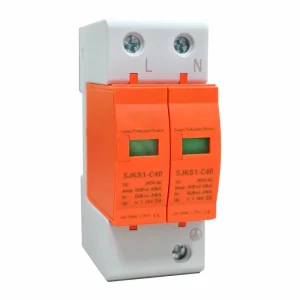
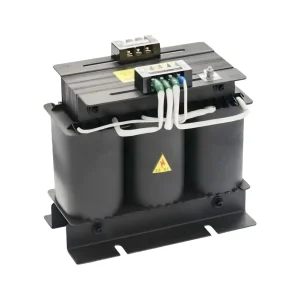
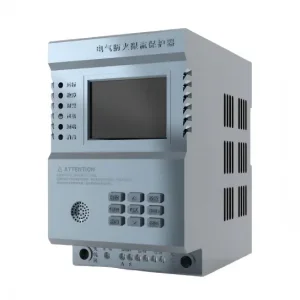
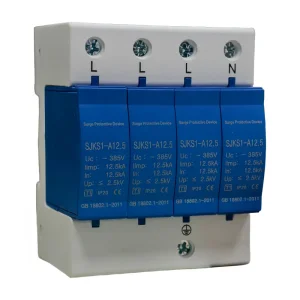
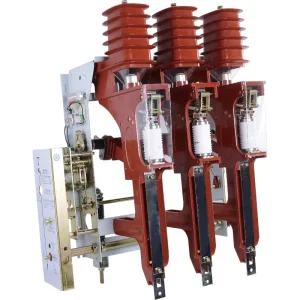
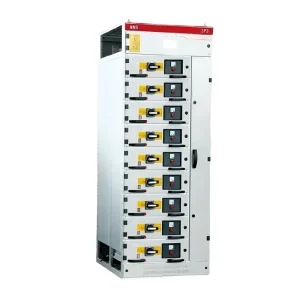
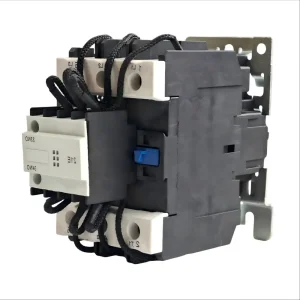
Engineered Protection, Transformation & Distribution Assemblies
Expand your network capability with our complementary electrical safety devices, voltage stabilizers, vacuum switches, and drawout panels designed for low- and medium-voltage distribution infrastructure.
Frequently Asked Questions on Solid-Insulated Systems
In-depth technical answers addressing dielectric properties, thermal dissipation, maintenance protocols, and wholesale procurement standards.