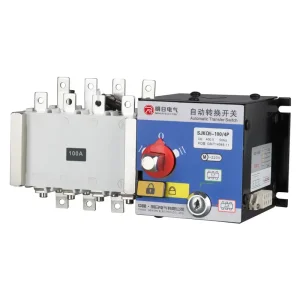
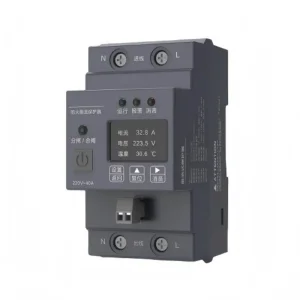
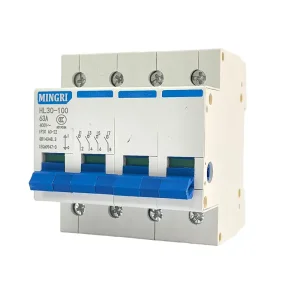
Featured Mining-Grade Switchgear & Subsystem Assemblies
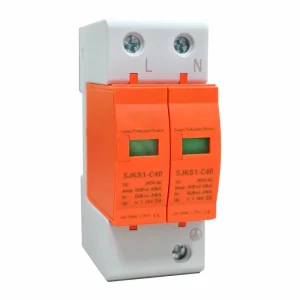
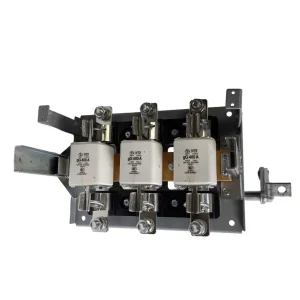
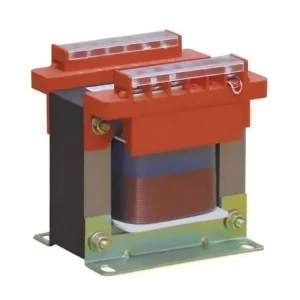
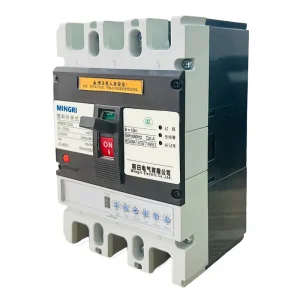
Essential overvoltage protection, secondary motor controls, and intermediate power management hardware built to integrate seamlessly with OEM QC Series mining transformer stations.
Executive Engineering Whitepaper: QC Series Architecture
A rigorous examination of medium-voltage power distribution in confined, high-vibration, explosion-risk underground mining environments.
Underground extraction, sub-surface tunneling, and open-cast continuous mining operations represent the most punishing operating conditions known to industrial power engineering. Equipment deployed in these domains is subjected to violent cyclic mechanical shock, pervasive conductive particulate contamination (including pulverized coal and pyritic ore dust), corrosive mine atmosphere humidity, and intense thermal extremes. In this hostile reality, the standard industrial distribution transformer is an unacceptable liability. The QC Series Mining Transformer (incorporating dry-type mining units and KBSGZY-class explosion-proof mobile substations) has emerged as the definitive global standard for subterranean medium-voltage step-down applications.
As original equipment manufacturers (OEM) and tier-one custom production facilities, we engineer the QC series to solve three fundamental challenges of mine power infrastructure: dielectric endurance under explosive atmospheric threats, dynamic short-circuit resilience against motor-starting inrush currents, and compact skid-mounted form factors that traverse non-standard vertical mine shafts and steep decline drifts. Through vacuum pressure impregnation (VPI) utilizing Dupont Nomex® Class H/C thermal systems or advanced vacuum-cast resin techniques, QC series transformers isolate live phase dynamics from hazardous ambient methane (CH₄) and coal dust mixtures, ensuring operational safety compliant with stringent international explosion-containment standards.
Harmonic Withstand & K-Factor
Engineered to handle non-linear loads generated by multi-megawatt variable frequency drives (VFDs) powering continuous miners, longwall shearers, and conveyor drives. Equipped with electrostatic shielding and optimized copper foil secondary windings that attenuate high-order harmonic eddy current losses up to K-20 rating.
Explosion-Tight Enclosure Integrity
Manufactured using reinforced corrugated cylindrical or high-tensile rectangular steel shells rated to withstand internal deflagration without propagating flame or hot combustion gases into Zone 1/21 external atmospheres. Machined flamepath flanges comply with tight tolerance gaps exceeding IEC 60079-1 parameters.
Integrated Vacuum Switchgear Control
Seamless coupling with integrated high-voltage vacuum circuit breakers (HV VCB) and low-voltage protection chambers. Features high-speed microprocessor micro-relays delivering phase-to-ground fault clearance under 30 milliseconds, sensitive earth-leakage monitoring, and pilot-wire continuity protection.
Global Mining Procurement Demands & Structural Challenges
How EPC contractors and mining conglomerates overcome the triple threat of depth, electrification, and thermal density.
Across the global mining theater—from the copper-gold deposits of the Atacama Basin to deep platinum shafts in South Africa and high-tonnage coal operations in China and Australia—procurement managers encounter shifting electrical demands driven by two macro industrial vectors: deep-deposit extraction and the total electrification of mobile haulage fleets.
As operations push beyond 1,500 meters subterranean depth, ambient rock face temperatures regularly climb above 45°C. At the same time, traditional diesel load-haul-dump (LHD) loaders and haul trucks are systematically phased out in favor of battery-electric vehicles (BEVs) and tethered electric continuous miners. This operational shift drives massive peak cyclic demands into the lower mine levels. Fast-charging stations rated at 350 kW to 1 MW require stiff, localized power transformation points right at the active production face.
Operational ChallengeDeep-Shaft Dimension & Transport Restrictions
Vertical shaft hoist cages impose absolute caps on mass and envelope geometry. Traditional surface substations cannot be lowered to active headings. The OEM QC Series is formulated with finite element analysis (FEA) structural design: detachable flameproof cable entry heads, low-profile track-gauge roller bases adjustable between 600 mm, 762 mm, 900 mm, and 1435 mm, and modular separation of high-voltage incoming, core-tank, and low-voltage distribution modules for swift reassembly underground.
OEM SolutionDynamic Voltage Regulation Under Fluctuating Loads
Long feeder cable runs down 10–35 kV vertical shafts suffer severe voltage drops during synchronous motor starts. QC Series units incorporate off-circuit tap changers (±2×2.5% or ±5%) or specialized underground on-load tap changer (OLTC) mechanisms housed within flameproof enclosures, stabilizing secondary 660V, 1140V, or 3300V delivery directly to heavy cutter-heads without line sag induced stalls.
Technical Baseline & Empirical Performance Bounds
Quantitative benchmarks defining OEM QC Series reliability across thermal, dielectric, and structural parameters.
| Performance Specification | QC Series Dry Mining Transformer | KBSGZY Integrated Flameproof Substation | Standard Surface Industrial Transformer |
|---|---|---|---|
| Rated Power Range | 100 kVA to 3,150 kVA | 500 kVA to 4,000 kVA | 50 kVA to 20,000 kVA |
| Primary Infeed Voltages | 3.3 kV, 6.0 kV, 10.0 kV, 11 kV | 6.0 kV, 10.0 kV, 11.0 kV, 33 kV | 11 kV, 22 kV, 33 kV, 66 kV |
| Secondary Distribution Voltages | 400 V, 690 V, 1,140 V | 690 V, 1,140 V, 3,300 V dual-switchable | 400 V, 480 V |
| Insulation Class & Temp Rise | Class H (180°C) / Nomex Class C (220°C) | Class H (180°C) with sealed gas nitrogen pad | Class A / F (105°C - 155°C) Oil / Dry |
| Enclosure Protection Index | IP54 / IP55 Stainless / Heavy Steel | IP66 Explosion-Proof Ex d I Mb (Underground) | IP00 (Indoor) / IP23 (Outdoor Casing) |
| Mechanical Shock Endurance | 3g 3-axis continuous dynamic vibration | 5g shock test compliant with mining skids | Standard stationary foundation vibration |
| Core Laminate Metallurgy | High-permeability cold-rolled grain-oriented (CRGO) 23Q110 or Amorphous Alloy core | Laser-scribed domain-refined CRGO 20Q085 | Standard silicon steel grade |
Technical Roadmap: Next-Gen Sub-Surface Power Evolution
Architectural milestones charting the trajectory of mining transformers toward autonomous, digital, and zero-carbon extraction ecosystems.
The manufacturing blueprint for the OEM QC Series is evolving alongside rapid advancements in materials science, digital monitoring, and environmental governance. As deep mining ventures into deeper deposits and sub-sea floor tunnels, transformer architecture moves through three key technological horizons:
Phase I: IIoT Edge Telemetry & Fiber Sensing
Integration of distributed fiber-optic temperature sensors (DTS) directly embedded within the inner layers of the high-voltage copper windings. Fiber-Bragg grating arrays transmit live core temperatures to surface SCADA systems via Modbus-TCP and IEC 61850 protocol stacks without conductive antenna hazards, predicting insulation degradation before turn-to-turn micro-faults occur.
Phase II: Nanocrystalline & Amorphous Magnetic Cores
Replacement of standard grain-oriented silicon steel with amorphous metallic alloys yielding an ultra-thin 0.025 mm ribbon architecture. This innovation reduces transformer no-load core hysteresis losses by up to 70%, drastically decreasing the heat dissipation load on underground ventilation air cooling systems where every kilowatt of rejected heat costs substantial auxiliary refrigeration power.
Phase III: Solid-State Power Conversion (SST)
Hybridization of high-frequency medium-voltage Silicon Carbide (SiC) power electronic switches with high-density planar magnetic cores. This will decrease overall physical transformer mass by over 45%, providing instantaneous fault-current limiting capability and true bidirectional power flow for deep mine regenerative downhill conveyor belts and localized underground battery energy storage systems (BESS).
Worldwide Deployment Realities & Regional Compliance
Proven operational readiness calibrated to the legislative, geomechanical, and atmospheric frameworks of leading mining territories.
A mining transformer is only as reliable as its compliance with regional safety authorities. Because an electrical ignition underground can trigger catastrophic methane or dust explosions, sourcing from an experienced OEM factory with comprehensive type-test verifications is an indispensable procurement prerequisite.
North America (USA & Canada)
Regulatory Regime: MSHA (Mine Safety and Health Administration) 30 CFR Part 18/75; CSA M421 (Use of Electricity in Mines).
Technical Focus: Rigid neutral grounding resistor (NGR) monitoring circuits, failsafe ground-check continuity monitoring, high BIL (Basic Impulse Level) lightning and switching surge protection for open-pit shovels and underground continuous mining machines.
Eurasia & Asia-Pacific (Australia / China)
Regulatory Regime: AS/NZS 4871 (Electrical Equipment for Coal and Metal Mines); MA (Mining Safety Mark China); IECEx certification.
Technical Focus: Heavy emphasis on flameproof Ex d I Mb ratings, multi-voltage tap selection (e.g., 3.3 kV stepping down simultaneously to 1.14 kV shearer power and 400 V auxiliary pumps), and corrosive mine water salt-spray anti-corrosion coatings.
Latin America & Africa (Chile, Peru, DRC, RSA)
Regulatory Regime: High-Altitude Andean norms (up to 4,500m above sea level); SANS 10108 / SANS 1804 (South Africa).
Technical Focus: Thermal derating calculations for thin-air heat transfer, oversized external heat sink fins, enhanced clearance and creepage distances to avoid flashovers under rarefied atmospheric pressures, and extreme seismic shock anchoring.
Rigorous OEM Quality Verification & Factory Acceptance Testing
Inside our advanced production facilities: from raw electrical steel qualification to high-pressure destructive explosion containment verification.
Every OEM QC series transformer produced in our state-of-the-art facilities undergoes a multi-stage validation sequence in strict accordance with ISO 9001, ISO 14001, ISO 45001, and IEC 60076 standards. Factory Acceptance Testing (FAT) is performed in our automated high-voltage test center, ensuring zero defects prior to deep-shaft containerized export:
1. Full-Wave Lightning Impulse Withstand Test: Standard high-voltage testing injecting standard 1.2/50 µs lightning impulse waves up to 95 kV BIL to certify that inter-turn winding insulation withstands steep-front switching transients originating from upstream vacuum contactors.
2. Hydrostatic Pressure & Explosion Containment Testing: Specialized test cells subject flameproof transformer tanks to internal hydraulic pressures exceeding 1.0–1.5 MPa for sustained durations to guarantee zero seam cracking, permanent deformation, or joint rupture.
3. Partial Discharge (PD) Screening: Utilizing specialized Faraday cage testing bays, every core-and-coil assembly is tested to confirm PD levels below 10 picocoulombs (pC) at 1.2 times rated voltage, completely preventing micro-arcing internal degradation.
4. Temperature Rise Verification Under Degraded Airflow: Simulating unventilated underground crosscut drifts, full-load heat run tests verify that hot-spot winding temperatures do not exceed the guaranteed Class H thermal margin.
Frequently Asked Technical Questions (FAQ)
Crucial engineering considerations, selection parameters, and operational guidance for mining electrical engineers.
While industrial transformers operate in clean, climate-controlled switchrooms, the QC Series is constructed specifically for explosive, humid, and mechanically violent mining tunnels. It features a heavy-gauge reinforced flameproof shell (or ruggedized IP54/IP55 mining enclosure), Class H/C (180°C/220°C) high-temperature insulation, high short-circuit withstand capabilities (up to 25% higher dynamic bracing), and built-in wheels/skids compatible with underground railway gauges (600mm/900mm). Additionally, QC units routinely integrate high-voltage incoming load break switches and low-voltage multi-circuit distribution breakers directly into a single mobile skid package.
Cast-resin transformers are prone to surface micro-cracking when subjected to the repeated high shock and mechanical vibration caused by nearby drill-and-blast operations. Once cracked, humid mine moisture and conductive dust enter, causing catastrophic phase flashovers. Nomex® open-ventilated or VPI (Vacuum Pressure Impregnation) systems maintain elastomeric flexibility under mechanical stress, withstand continuous operating temperatures up to 220°C without toxic off-gassing, and demonstrate exceptional moisture resistance without dielectric breakdown.
Yes. Mining infrastructure often requires powering legacy equipment (660V) alongside modern high-productivity shearers or continuous miners (1140V or 3300V). Our OEM production lines custom-engineer dual secondary windings with external or internally interlocked flameproof tap links. This allows the operator to switch secondary voltage output easily as the transformer moves between different headings in the mine.
At altitudes above 1,000 meters (such as high-altitude mining in the Andes at 3,500m–4,800m), lower atmospheric air density reduces both dielectric breakdown strength and natural convection heat transfer. For these deployments, our engineers upsize internal core and coil cooling ducts, increase external corrugated fin radiator surface areas by 20% to 35%, and apply specialized high-altitude porcelain or silicone bushing terminals with extended creepage distances to avoid external arc flashovers.
Every OEM order includes a complete technical document package: certified Factory Acceptance Test (FAT) reports, third-party type test certificates (including short-circuit withstand and temperature rise certificates issued by accredited ILAC/CNAS test laboratories), explosion-proof conformity certificates (Ex d / Ex mb), electrical schematics (single-line and wiring diagrams), center-of-gravity hoist diagrams, and complete installation/maintenance manuals in English (and requested local languages).
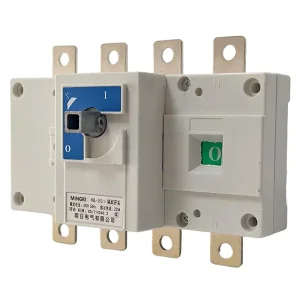
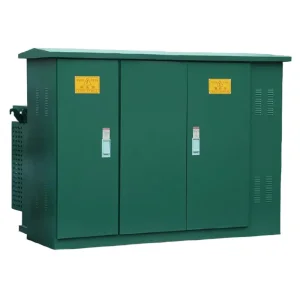
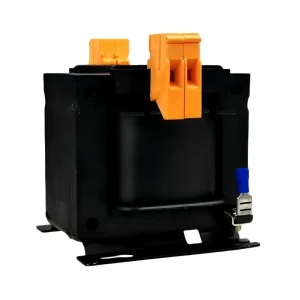
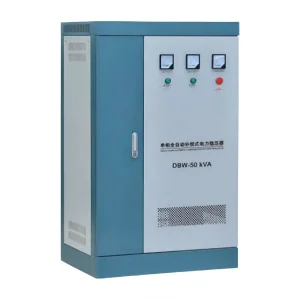
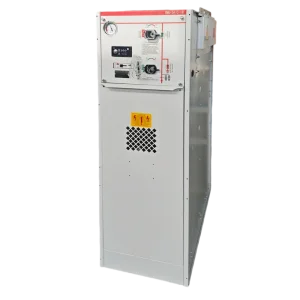
Associated Medium & Low Voltage Grid Equipment
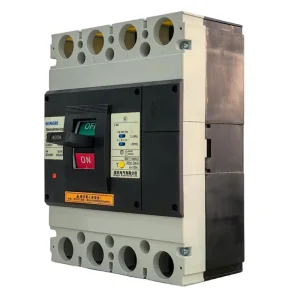
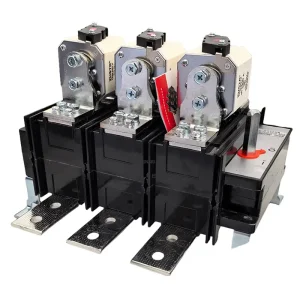
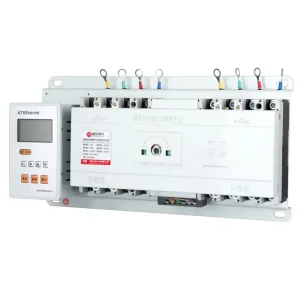
Complete your mining electrical grid with precision prefabricated substations, high-amp isolation switches, automatic transfer gear, and gas-insulated ring switchgear.
Accelerate Your Extraction Projects with Direct Factory Engineering
Whether configuring customized single-line schematics for deep decline drifts, retrofitting existing mobile substations, or establishing OEM distributor supply contracts, our engineering team in Yueqing delivers end-to-end support.