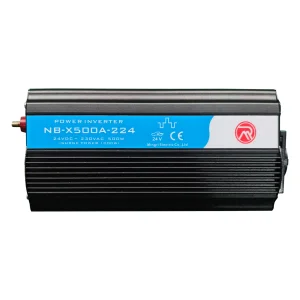
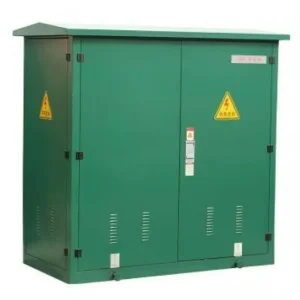
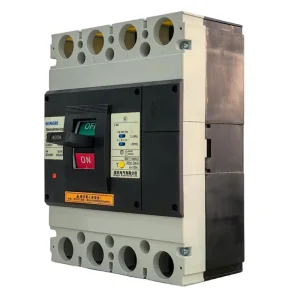
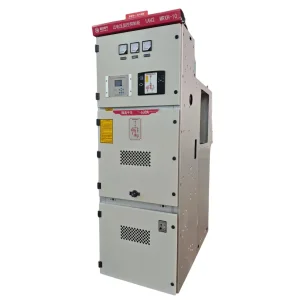
Featured Transmission & Distribution Assemblies
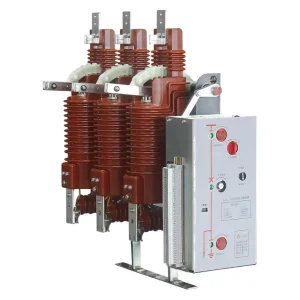
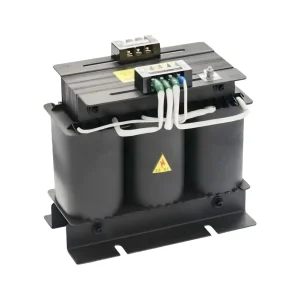
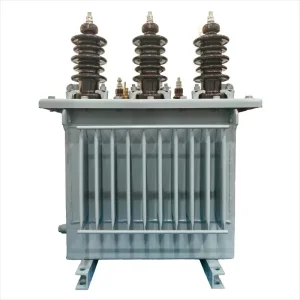
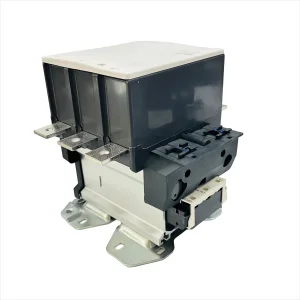
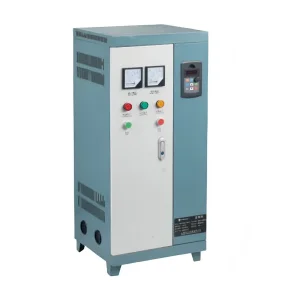
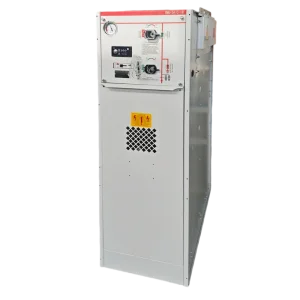
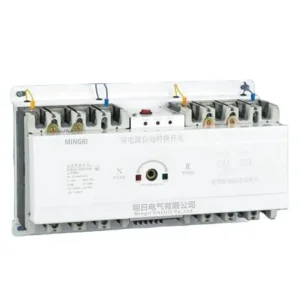
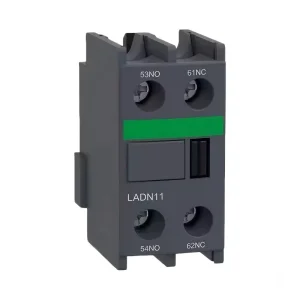
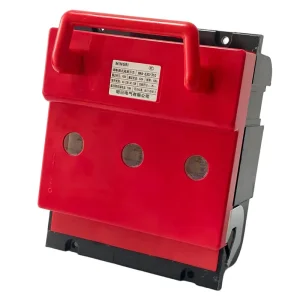
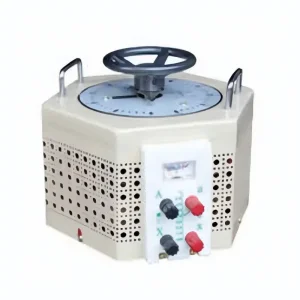
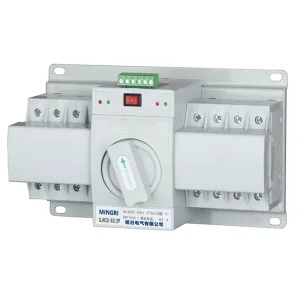
Explore high-performance contactors, integrated drive cabinets, gas-insulated switchgear, automatic transfer switches, and distribution components manufactured for seamless high-voltage substation interoperability.
The 110kV Power Transformer Landscape: Modern Grid Paradigms
Decarbonization, renewable energy wheeling, and decentralized distribution architectures demand revolutionary transformations in high-voltage core geometry, dielectric mediums, and digital substation management.
Evolution Toward Low-Loss Nanocrystalline Cores
The global push toward carbon neutrality has forced municipal transmission operators and heavy industrial complexes to reassess substation no-load losses (hysteresis and eddy currents) and load losses (ohmic resistance). In high-voltage 110kV step-down and step-up architectures, standard grain-oriented electrical steel (GOES) is increasingly augmented or replaced by high-permeability domain-refined silicon steel sheets (e.g., 23ZH090 to 20ZH080 grades) and step-lap 45-degree mitered core cutting routines.
By integrating laser-etched sheet lamination, custom Original Design Manufacturer (ODM) partners achieve an aggregate reduction in core excitation losses ranging between 18% to 27% compared to conventional IEC 60076-1 Tier 1 baseline parameters. This structural design not only reduces cumulative operational expenditure (OPEX) over a 30-year lifecycle but decisively alleviates transformer thermal dissipation bottlenecks during peak solar or wind power surges.
Smart Substations & Real-Time Telemetry Modernization
The modernization of 110kV power infrastructure is fundamentally tethered to IEC 61850 protocol suites. Modern ODM manufacturers embed fiber-optic temperature sensors directly within high-voltage winding disks, allowing dynamic thermal rating (DTR) calculation under unpredictable fluctuating loads caused by electric vehicle fast-charging hubs and megawatt-scale battery energy storage systems (BESS).
Advanced Multi-Gas Dissolved Gas Analysis (DGA) modules continuously record trace parts-per-million (ppm) levels of acetylene (C₂H₂), ethylene (C₂H₄), and hydrogen (H₂), piping live telemetry into cloud-native SCADA and predictive maintenance algorithms. In tandem with smart On-Load Tap Changers (OLTC) driven by optical position encoding and vacuum arc suppression, unexpected breakdown risks are systematically suppressed.
Enterprise Procurement Needs & Technical Matrix
Comprehensive technical specification guidelines for EPC contractors, transmission line managers, and utility distribution procurement divisions evaluating turnkey 110kV ODM transformer platforms.
Single-Line Diagram (SLD) Matching
Direct customization of primary, secondary, and tertiary winding schematics (e.g., YNd11, YNyn0d11). Adaptation to regional grounding configurations including solid grounding, resonant neutral grounding via arc suppression coils, and isolated systems.
Custom Impedance Optimization
Dynamic adjustment of short-circuit impedance percentage (%Uk from 10.5% to 14.5%) to control downstream switchgear breaking capacity requirements, balance voltage regulation characteristics, and eliminate system resonance hazards.
Dielectric Fluid Selection
Factory configuration for high-flashpoint synthetic or natural vegetable esters (compliant with IEC 62770) versus uninhibited mineral insulating oils (IEC 60296), providing bespoke fire protection and environmental mitigation for urban density zones.
| Parameter / Engineering Feature | Utility Standard Class | Industrial & Mining Class | Renewable PV / BESS Step-Up | ODM Customization Scope |
|---|---|---|---|---|
| Rated Power Spectrum | 16 MVA – 120 MVA | 10 MVA – 63 MVA | 20 MVA – 80 MVA | Scalable stepped capacities up to 180 MVA |
| Nominal Voltage Ratio | 110 ± 8×1.25% / 10.5 (35) kV | 110 ± 4×2.5% / 6.3 (11) kV | 110 ± 2×2.5% / 35 (34.5) kV | Split-winding LV systems (double or triple LV) |
| Vector Group | YNd11 or YNyn0d11 | YNd11 / Dd0 | Dyn11 / YNd11 / YNyn0(d11) | Any specified phase displacement |
| Cooling Topology | ONAN / ONAF / OFAF | ONAN / ONAF / ODAF | ONAN (Zero parasitic power loss) | Low-noise variable speed ec-fans & oil pumps |
| Insulation Class & Temp Rise | Class A (Winding: 65K, Top Oil: 60K) | Hybrid Class F / H insulation | Class A with 55K rating option | High-temperature Nomex aramid barrier systems |
| Bushing Configuration | Oil-Impregnated Paper (OIP) | Resin-Impregnated Synthetics (RIS) | Composite Polymer Silicone RIP | Creepage distance up to 31mm/kV (Heavy Salt/Dust) |
Integrated Substation Application Architectures
Engineered to withstand intense mechanical stresses, fluctuating cyclic loadings, and challenging climatic exposures across distinct grid operations.
1. Utility-Scale Renewable Step-Up Substations
Central solar PV arrays and high-capacity wind farms require 110kV collector transformers resilient against harmonic distortion (THD up to 5%) and rapid power fluctuations. Specialized magnetic flux shields prevent stray losses from overheating clamp steel, while customized low-voltage dual-winding splits effectively isolate separate inverter banks to prevent circulation currents.
2. Urban & Underground Compact Substations
Urban space limitations mandate reduced footprint switchgear integration. Pairings between 110kV compact transformers and Gas-Insulated Switchgear (GIS) or RM6 ring network topologies ensure minimal clearance envelopes. High-grade nitrogen blanket preservation and hermetically sealed tanks eliminate moisture ingression and extend maintenance intervals.
3. Heavy Metallurgical & Chemical Processing
Electric arc furnace (EAF) and chemical chlor-alkali loads produce rapid load shocks and DC bias magnetization. ODM engineering accommodates mechanical reinforcement with heavy clamping structures, custom K-factor heat dissipation adjustments, and robust vacuum on-load tap changers rated for over 300,000 tap switching operations without oil change.
International Certification & Comprehensive FAT Routine
E-E-A-T verified testing procedures, traceability records, and rigorous factory acceptance standards adhering to global transmission network specifications.
Multi-Tier Factory Acceptance Testing (FAT) Protocol
Every turnkey 110kV power transformer undergoes an exhaustive testing regimen in state-of-the-art shielded test bays before crating and maritime mobilization:
- Routine Tests (IEC 60076-1): Measurement of winding resistance, voltage ratio, phase displacement check, no-load loss and current at 100% and 110% rated voltage, load loss and short-circuit impedance verification.
- Dielectric Withstand Tests (IEC 60076-3): Separate-source AC withstand voltage testing (up to 200kV on HV terminals), Induced Overvoltage Withstand Test with Partial Discharge measurement (IVPD) maintaining < 50 pC background noise.
- Full Wave & Chopped Lightning Impulse: Verification of BIL (Basic Impulse Level) rating up to 550kV peak, safeguarding against direct atmospheric strikes and high-voltage switching surges.
- Temperature Rise Test (IEC 60076-2): Full thermal equilibrium test validating radiator cooling banks and verifying hottest-spot temperature calculations.
Global Regulatory Harmonization & Site Support
Mingri Electric operates under strict quality management accreditations: ISO 9001 (Quality Control), ISO 14001 (Environmental Stewardship), and ISO 45001 (Occupational Health & Safety). Our engineering documentation packs provide complete CAD layout drawings, finite element magnetic flux simulations (FEM), seismic withstand calculation reports (IEEE 693 up to 0.5g high-hazard seismic qualification), and sound level modeling.
For overseas EPC projects, our field support service delivers remote high-definition augmented-reality video assistance during vacuum oil filling, bushing installation, and pre-commissioning protection relay calibration. On-site engineering teams are dispatched across Latin America, Southeast Asia, Central Asia, and Africa for on-site commissioning and final SAT (Site Acceptance Test) sign-off.
Technological Roadmap & Next-Generation Outlook (2025–2030)
Anticipating structural shifts in high-voltage engineering: eco-friendly esters, digital twin integration, modular substations, and zero-leakage composite designs.
Natural Ester Revolution
Widespread migration toward non-toxic, 100% biodegradable synthetic and seed-based vegetable esters with fire points exceeding 300°C, drastically simplifying containment pit design.
AI-Powered Digital Twins
Real-time edge-computing gateways analyzing dissolved hydrogen, moisture-in-oil, hot-spot thermal evolution, and vibrational acoustic profiles to forecast transformer insulation degradation curves.
SF6-Free Gas Hybrids
Rapid roll-out of fluorine-free clean air and CO₂/O₂ gas mixture switchgear interfaces, eliminating greenhouse gas footprint across paired 110kV GIS cable termination chambers.
Superconducting & Nanofluids
Industrialization of magnetic nanofluid-enhanced coolants delivering up to 30% higher thermal conductivity, enabling ultra-compact mobile emergency substations for disaster recovery.
Technical & Procurement FAQ
In-depth responses to core engineering and commercial questions commonly evaluated by substation project directors and high-voltage equipment buyers.
To provide an accurate technical configuration and quotation, buyers should furnish: rated capacity (MVA), primary/secondary/tertiary voltage ratios, tapping range and steps (OLTC vs. NLTC), vector group, short-circuit impedance percentage (%Uk), ambient conditions (altitude, temperature range, seismic acceleration), BIL ratings, cooling mode (ONAN/ONAF), and loss capitalisation formulas (A and B factors for no-load and load loss evaluation).
An OLTC allows seamless secondary voltage regulation without interrupting the load circuit, adjusting for grid voltage fluctuations in real-time using high-speed vacuum switching mechanisms. DETC (or NLTC) requires completely de-energizing the transformer before changing tap positions, making it suitable only for stable distribution points or seasonal voltage trimming.
All equipment complies with IEC 60076 (Power Transformers), IEEE C57 series, and relevant regional grid standards. The manufacturing facility operates in full accordance with ISO 9001 (Quality Management), ISO 14001 (Environmental Management), and ISO 45001 (Occupational Health & Safety), with comprehensive routine and type-test certificates from accredited independent laboratories.
Main transformer tanks are transported drained of oil and pressurized under dry nitrogen (N₂) or dry synthetic air with three-way impact recorders tracking 3D g-force shocks during ocean transit. Radiators, expansion conservators, bushings, and control kiosks are detached, preserved, and packed in heavy-duty export seaworthy crates. Insulating oil is shipped in dedicated sealed ISO containers or drums.
Lead times generally range from 12 to 20 weeks depending on raw material sourcing (specialized high-permeability steel laminations and vacuum tap changers), drawing approvals, engineering sign-off, factory testing, and third-party witness inspection schedules. Accelerated prototype tracks can be negotiated for urgent emergency replacement tenders.
Yes. Mingri Electric specializes in complete end-to-end electrical distribution ecosystems. Turnkey orders often integrate 110kV primary transformers with secondary medium-voltage switchgear (such as RM6 gas-insulated units, KYN28 armored switchgear, or vacuum circuit breakers) and low-voltage MCCBs, contactors, and automatic transfer switches for substation auxiliary power needs.
Substation Auxiliary & Medium-Voltage Distribution Equipment
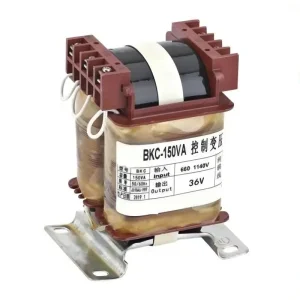
Complete secondary distribution portfolio including combined padmount substations, earth leakage circuit breakers, resonance elimination cabinets, high-voltage vacuum breakers, and precision control transformers.