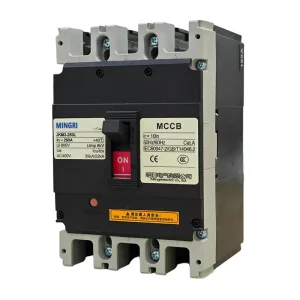
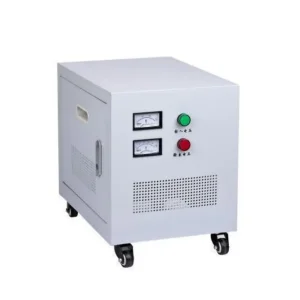
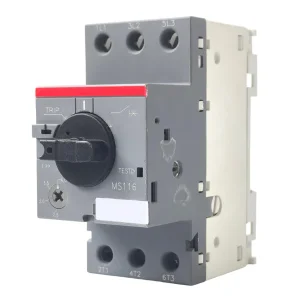
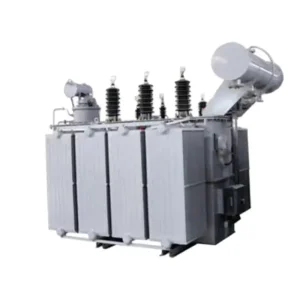
Featured Electrical Protection & Switchgear Infrastructure
Procure certified power distribution solutions directly integrated with industrial surge arresters, smart circuit breakers, and medium-voltage switchgear.
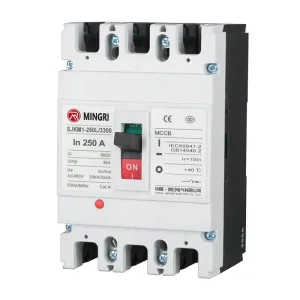
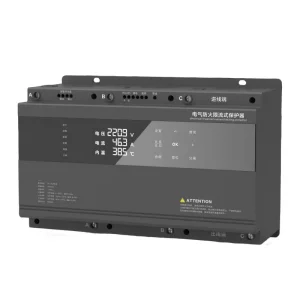
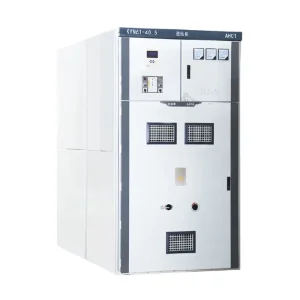
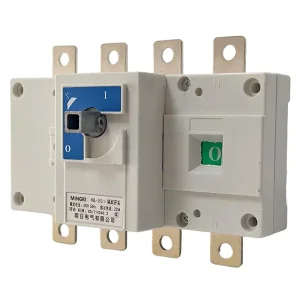
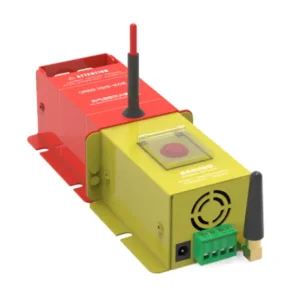
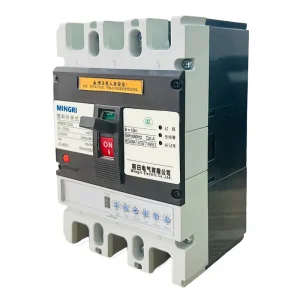
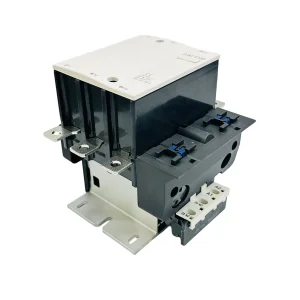
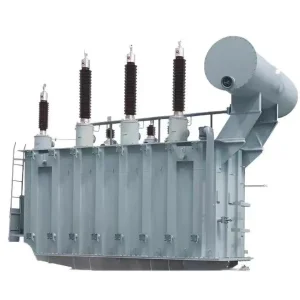
Global Landscape: Commercial & Industrial DC1000V Surge Protection
The rapid shift toward utility-scale solar generation, battery energy storage systems (BESS), and high-output EV superchargers has cemented DC1000V as the pivotal voltage architecture across global power distribution corridors.
Grid Transition Challenges
Unlike AC transmission networks where current zero-crossings naturally suppress electrical arcs, DC networks present continuous electrical discharge vectors. High-Quality DC1000V SPD suppliers must engineer advanced internal arc-extinguishing barriers to safeguard against thermal runaway and dangerous short-circuit faults during catastrophic atmospheric discharges.
Severe Environmental Exposure
Modern utility-scale solar farms are increasingly positioned in aggressive desert, marine, or high-altitude geographies exceeding 2000 meters above sea level. This necessitates custom-manufactured DC1000V surge protective devices that withstand extreme diurnal temperature fluctuations, dust ingress, and degraded atmospheric dielectric insulation without nuisance tripping.
Tier-1 Supplier Quality Matrix
Tier-1 sourcing entities require stringent manufacturing oversight from accredited suppliers. Certified production lines incorporate heavy-duty Metal Oxide Varistors (MOV) paired with precision Gas Discharge Tubes (GDT), reinforced by UL1449 4th Ed and EN 50539-11 verification to guarantee fail-safe mechanical disconnection under sustained end-of-life overvoltage stresses.
Technical Topology: The Anatomy of a High-Performance DC1000V SPD
A comprehensive examination of internal discharge mechanisms, trip systems, and thermal dynamic disconnector technology.
| Performance Characteristic | Class I / Type 1 (Direct Lightning) | Class II / Type 2 (Induced Overvoltage) | Supplier Selection Criticality |
|---|---|---|---|
| Impulse Discharge Current (Iimp 10/350µs) | 12.5 kA per pole | N/A (Tested at 8/20µs) | Mandatory for external lightning rod installations. |
| Nominal Discharge Current (In 8/20µs) | 20 kA | 20 kA to 40 kA | Defines device longevity across repetitive transients. |
| Maximum Continuous Voltage (Ucpv) | 1000 VDC – 1200 VDC | 1000 VDC – 1200 VDC | Must exceed 1.2x of array open-circuit voltage (Voc). |
| Voltage Protection Level (Up) | ≤ 3.8 kV | ≤ 3.2 kV | Must sit safely beneath inverter impulse withstand limits. |
| Thermal Disconnection Mechanism | Dual Micro-Spring Mechanical Release | High-Temp Soldered Spring Contact | Prevents persistent DC flashovers and cabinet fires. |
"Y"-Shaped Circuit Architecture
State-of-the-art DC1000V SPDs utilize a 3-pole "Y" varistor configuration. This configuration ensures that even if one varistor experiences insulation degradation, the remaining branches prevent phase-to-ground short circuits, neutralizing symmetric and asymmetric common-mode surges without triggering unwanted inverter shutdowns.
Dynamic Thermal Disconnection
Thermal stability is paramount in DC systems. Top-tier Chinese manufacturers employ precision low-melting-point solder alloy tabs combined with mechanical spring-loaded shields. Upon sensing sustained leakage currents exceeding 5mA, the disconnector isolates the compromised cartridge within milliseconds, extinguishing secondary arcs via built-in de-ion arc chutes.
Remote Status Telemetry
Industrial integration demands real-time intelligence. DC1000V devices feature 3-pin dry-contact auxiliary signaling terminals (NC/NO) coupled with localized visual color flags (Green=Normal, Red=Fault). This allows central SCADA networks to dispatch maintenance personnel instantly when surge suppression capacity is exhausted.
Macro Application Frameworks for Industrial Environments
Strategic deployment matrix across high-stakes industrial electrification corridors requiring robust 1000V surge suppression.
1. Utility-Scale PV Combiner Boxes
Positioned on the primary direct current collector busbars before multi-string MPPT inverters. The SPD shields sensitive gallium-nitride (GaN) and silicon-carbide (SiC) semiconductor circuits from induced atmospheric strikes across large collector surface areas.
2. BESS Power Conversion Systems (PCS)
Battery Energy Storage Systems operate with extremely low internal source impedance. Installing DC1000V Class II SPDs at the rack junction box and DC bus distribution cabinets guarantees that high-speed switching transients generated during grid-balancing cycles do not compromise battery monitoring sensors.
3. Ultra-Fast EV Fast-Charging Hubs
Direct-current fast chargers (DCFC) translating grid AC to 1000V DC require continuous isolation. SPDs fitted inside the power matrix units prevent switching transients from migrating toward vehicle on-board chargers, keeping charging hubs safe under all operational loads.
4. Industrial DC Microgrids & Automation
Heavy fabrication plants deploying localized DC generation, industrial robotics, and regenerative overhead cranes rely on robust DC1000V SPDs to absorb inductive kickbacks caused by sudden high-load motor stoppages and emergency circuit interruptions.
Technology Roadmap: The Next Decade of Surge Suppression
Engineered advancements bridging the gap between legacy passive surge arresters and IoT-enabled predictive protection.
Phase 1: Smart Solid-State Hybrid Design
Transition from standard zinc oxide (ZnO) varistors to hybrid combinations integrating Silicon Avalanche Diodes (SAD) with fast-recovery MOVs. This eliminates the leakage current phase, dramatically decelerating thermal degradation and extending operating lifespan.
Phase 2: Real-Time Edge Health Monitoring
Next-generation devices embed micro-sensor matrices inside the cartridge, tracking surge energy accumulation (ΣI²t), ambient core temperature, and leakage current drift. This data feeds into edge predictive algorithms via RS485 or wireless LoRaWAN, notifying plant operators before physical failure occurs.
Phase 3: Circular Modular Manufacturing
With environmental directives such as RoHS and circular WEEE taking precedence, suppliers are developing flame-retardant halogen-free modular housings. The plugin cartridge mechanisms allow 100% reclamation of spent metal varistor discs without discarding the DIN-rail terminal blocks.
Supplier Audit Protocol: How to Evaluate a Chinese DC SPD Supplier
Critical verification parameters every EPC, system integrator, and technical procurement director must enforce during factory evaluations.
1. Type Test Certification Validation
Demand genuine third-party test verification issued by internationally accredited bodies (such as TÜV Rheinland, DEKRA, Intertek, or CB scheme). Confirm that tests adhere strictly to IEC 61643-31 and EN 50539-11 standards, with specific scrutiny on the Short-Circuit Current Rating (ISCPV) test results.
2. In-House Impulse Test Laboratories
Dependable manufacturers possess complete in-house testing labs equipped with 8/20µs current surge generators, 10/350µs lightning impulse simulators, and high-precision environmental burn-in chambers. Request direct video audits or third-party factory inspection reports confirming active batch calibration.
3. Raw Material Traceability (MOV Disc Origin)
The core component of any SPD is the metal oxide varistor disk. Reputable Chinese suppliers maintain stringent supplier audits for their raw zinc oxide powders and silver electrode layers, maintaining complete lot traceability from sintering temperature controls to assembly verification.
Frequently Asked Questions (FAQ)
Definitive engineering solutions addressing selection, regulatory standards, and operational deployment of DC1000V protection devices.
AC surge protective devices are engineered for alternating current networks where voltage drops to zero 100 or 120 times per second (50Hz/60Hz), allowing thermal disconnectors to quench internal arcs readily. In contrast, DC systems maintain continuous voltage without natural zero-crossings. A DC1000V SPD features distinct arc-suppression chambers, wider internal air clearances, and dynamic rapid-spring mechanical disconnectors capable of breaking high-voltage DC arcs before thermal escalation occurs.
According to international standards EN 50539-11 and IEC 61643-31, the Maximum Continuous Operating Voltage (Ucpv) must never be lower than the maximum open-circuit voltage of the PV string under lowest expected ambient temperatures. The standardized safety multiplier is 1.15 to 1.25: Ucpv ≥ 1.2 x UocSTC. For a system with an open-circuit voltage reaching 850V–900V at -20°C, a 1000V DC SPD rated for continuous operation at Ucpv ≥ 1000VDC (or 1050VDC) is mandatory.
A Type 1 (Class I) SPD, rated with an impulse discharge capacity (10/350µs waveform), is required whenever the solar array, battery shelter, or building is fitted with an external lightning protection system (LPS / lightning rods) and the separation safety distance 's' cannot be maintained. If there is no external lightning rod, or if adequate safety isolation distance exists, a Type 2 (Class II) SPD tested under an 8/20µs waveform is sufficient to protect against induced and switching overvoltages.
Under nominal operating conditions without direct lightning hits, an industrial-grade DC SPD delivers an operating lifetime of 5 to 10 years. Longevity is determined by repetitive micro-transient exposure and thermal cycling. Using high-specification MOVs with verified low leakage current (< 20µA at 75% Uv) minimizes internal heating, ensuring reliable operation throughout the service life of industrial inverters and combiner boxes.
Complementary High-Voltage Switchgear & Transformer Equipment
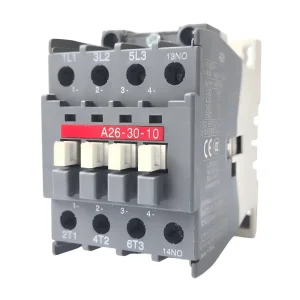
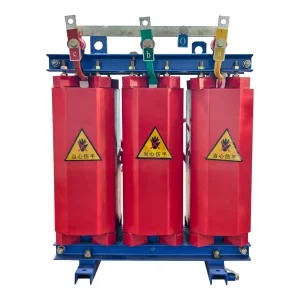
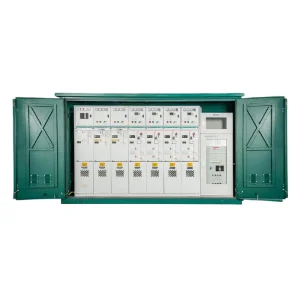
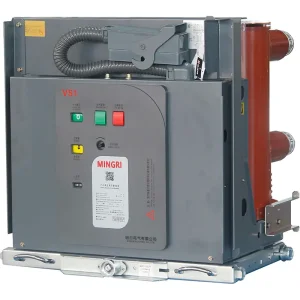
Complete your balance of system (BOS) procurement with matching industrial dry-type transformers, vacuum switchgear, and contactors.