Medium & Low Voltage Heavy-Duty Control Equipment
Engineered to deliver exceptional dielectric recovery, thermal stability, and transient suppression across demanding utility substations and industrial switchgear assemblies.
The Strategic Ascendancy of Chinese Switching Contactor Manufacturers
The global electrification transition demands contactors capable of handling extreme continuous duties, frequent switching operations, and severe current surges without thermal runaway or contact degradation. Within low-voltage power factor correction (PFC) banks, medium-voltage motor control centers (MCC), and utility-scale energy storage systems (BESS), switching contactors operate as the frontline electrodynamic actuators.
China has evolved from high-volume assembly into the global nerve center for precision contact metallurgy, automated coil winding, and vacuum interrupter engineering. Concentrated heavily in the Yueqing industrial cluster (Zhejiang Province), Chinese manufacturers command over 65% of global switching contactor assemblies, delivering compliant equipment across standard AC-3 duty cycles, heavy-duty AC-6b capacitor switching, and high-voltage DC contactor applications exceeding 1,500 VDC.
- Optimized Inrush Suppression: Damped pre-charging resistors quench transient spikes up to 200× In.
- Advanced Contact Metallurgy: Silver-tin oxide (AgSnO2) & silver-nickel (AgNi) anti-weld contact tips.
- Thermal Dissipation Dynamics: Silver-plated electrolytic copper bus connections limiting rise to <65K.
"Unlike general-purpose motor starters, modern switching contactors installed in APFC capacitor cabinets must endure high-frequency inrush currents that can reach up to 180 to 200 times the rated operational current for sub-millisecond durations. Yueqing-manufactured AC-6b contactors utilize mechanically linked, early-make auxiliary contact blocks combined with nichrome wire damping circuits, suppressing contact bounce to less than 1.5 milliseconds and ensuring mechanical endurance lifetimes in excess of 1,000,000 switching operations."
— Source: Technical Synthesis, Yueqing High-Voltage Switchgear & Power Electronics Research Consortium
Engineering Taxonomy of Switching Contactors
A comparative analysis of operational mechanisms, dielectric media, and specialized electrical utilization categories as codified by IEC 60947-4-1 and GB/T 14048.4.
Capacitor Switching Contactors (AC-6b)
Specifically optimized for automatic power factor correction (APFC) capacitor banks. Features leading auxiliary contact arms that close milliseconds prior to the main contacts, introducing calibrated current-limiting damping resistors into the circuit. This dampens extreme capacitive charging current spikes from 180× In down to safe levels (<20× In), preventing contact vaporization, weld-failure, and harmonic distortion across distribution transformers.
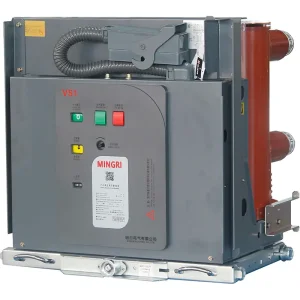
Medium-Voltage Vacuum Contactors
Operating between 3.6 kV and 12 kV, these contactors seal silver-tungsten or copper-chromium contact points inside high-vacuum ceramic interrupters (<10⁻⁴ Pa). Highly prevalent in mining hoists, slurry pump MCCs, and auxiliary switchgear cubicles (such as KYN28 and SM6). They afford exceptionally fast dielectric recovery, low current chopping, and over 300,000 electrical switching operations without environmental interaction.
High-Voltage DC Contactors (EV/ESS)
Engineered to overcome the zero-crossing absence in continuous direct-current architectures up to 1,500 VDC. Employing hermetically sealed ceramic arc chambers backfilled with high-purity hydrogen/nitrogen gas mixes, paired with permanent magnetic blowout fields that dynamically stretch the electric arc into labyrinthine cooling chutes to achieve rapid arc extinguishing in under 20 milliseconds.
| Contactor Type | Utilization Category | Rated Voltage (Ue) | Contact Material | Arc Extinguishing Medium | Primary Industrial Role |
|---|---|---|---|---|---|
| Capacitor Contactor (CJ19 / CJX2K) | AC-6b | 220V – 690V AC | AgSnO2 / Nichrome Wire | De-ionizing Arc Chutes in Air | APFC Panels, Reactive Power Tuning |
| Standard Magnetic Contactor (CJX2 / LC1D) | AC-3 / AC-4 | 230V – 1000V AC | AgCdO / AgNi Alloy | Splitter Plates in Atmospheric Air | Induction Motor Starting, Reversing |
| Medium-Voltage Vacuum (JCZ5 / CKJ5) | AC-3 / AC-4 | 3.6 kV – 12 kV AC | CuCr (Copper-Chromium) | Hermetic Ceramic Vacuum Bottle | Heavy Industry MCCs, Smelting, Mining |
| Sealed DC Contactor (HVC Series) | DC-1 / DC-5 | 450V – 1500V DC | Oxygen-Free Copper + Silver Plating | H2/N2 Gas Mix + Magnetic Blowout | BESS Battery Racks, Solar Arrays, EV DC Fast |
| Definite Purpose Contactor | AC-1 / AC-8a | 120V – 600V AC | Fine Grain Silver Composite | Air Grid Chutes with Melamine Barrier | HVAC Compressors, Resistive Heating |
Why Yueqing Leads Global Switching Contactor Production
A synergistic convergence of raw material localization, precision automated toolmaking, and relentless thermodynamic optimization defines China's competitive supremacy.
Hyper-Localized Component Density
Within a 15-kilometer radius in Yueqing (Wenzhou), manufacturers source ultra-pure copper wire, cold-rolled grain-oriented (CRGO) magnetic steel laminations, thermoset BMC plastics, and precision stamping molds. This ultra-short logistics loop compresses R&D turnaround from concept to prototype down to less than 14 calendar days.
Precision Automated Stamping & Winding
High-speed CNC stamping dies ensure magnetic pole faces achieve sub-micron coplanarity. Automated, tension-regulated copper coil winding prevents inter-turn shorts and guarantees uniform coil impedance, reducing holding VA losses by up to 35% compared to semi-manual winding setups.
Rigorous In-Line Quality Assurance
Production lines incorporate 100% automated optical inspection (AOI) for contact tip alignment, dynamic bounce-time oscilloscopy, and automated coil resistance testing. Every batch undergoes dielectric withstand tests up to 2.5 kV AC, verified through automated pneumatic pick-and-place testing cells.
Economies of Scale & Cost Parity
By producing tens of millions of electromechanical poles annually, Chinese manufacturers realize massive scale economies on critical commodities like silver, copper, and engineered polymers. International EPCs and panel builders capture a 30% to 50% cost advantage with zero compromises on IEC, UL, and CE specifications.
Mission-Critical Application Scenarios
Switching contactors perform foundational roles across low-voltage power factor systems, renewable generation stations, and heavy industrial automation networks.
Automatic Power Factor Correction (APFC) Enclosures
In power distribution systems serving fluctuating inductive loads (e.g., arc furnaces, metal stamping presses, induction motors), reactive power demand changes dynamically. Programmable logic power factor controllers switch capacitor banks into the bus via specialized capacitor contactors.
When an energized capacitor switches into a line alongside an already energized capacitor bank (back-to-back switching), effective circuit impedance approaches near zero. The specialized auxiliary early-make contacts insert transient damping resistors for 2 to 5 milliseconds, absorbing initial charging joules before the main silver alloy contacts seat. This eliminates upstream voltage notches that disrupt sensitive SCADA sensors and programmable logic controllers.
Renewable Generation & Battery Energy Storage (BESS)
Modern solar photovoltaic inverters and utility-scale lithium-ion battery containers operate at DC bus potentials of 1,000V to 1,500V DC. Main DC disconnect and pre-charge contactors must reliably disconnect full load currents during internal short-circuit events or thermal runaways.
Chinese manufacturers provide sealed, hydrogen-gas-filled ceramic contactors engineered with magnetic permanent blowout arrays. These deflect the direct current arc outward into de-ion splitters, extinguishing high-energy plasma channels within fractions of a cycle and providing critical galvanic isolation for safety and equipment preservation.
Engineering Evaluation Checklist for International Buyers
Essential verification benchmarks to ensure vendor reliability, manufacturing consistency, and full compliance with international safety protocols.
Certification & Type-Test Validation
Verify that complete type-test reports are issued by accredited third-party international testing authorities (such as KEMA, ASTA, TÜV Rheinland, or the China National Quality Supervision and Inspection Center). Key tests include verification of temperature-rise limits (IEC 60947-1 Table 2), short-time withstand current (Icw), and mechanical durability under AC-3 and AC-6b load cycles.
Contact Material Chemistry Verification
Demand metallurgical assays indicating silver contact tip composition. Premium industrial contactors utilize Silver Tin Oxide (AgSnO2) with specialized trace metal oxides (In2O3/Bi2O3) to eliminate toxic Cadmium (RoHS compliance) while retaining high anti-welding characteristics during high-frequency inrush events. Low-cost alternatives with inferior silver percentage suffer premature contact erosion.
Coil Drive & Electronic Economization
Evaluate coil actuation efficiency. Leading Chinese manufacturers now integrate universal AC/DC wide-voltage electronic coils (e.g., 100V–250V AC/DC) featuring built-in PWM economizer circuits. Once closed, the coil automatically drops pickup current to a minuscule holding current, slashing thermal cabinet dissipation by up to 75% and preventing coil burnout during grid brownouts.
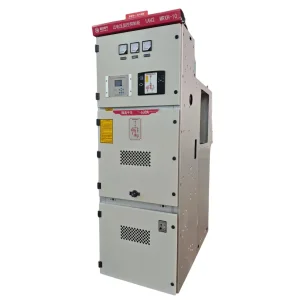
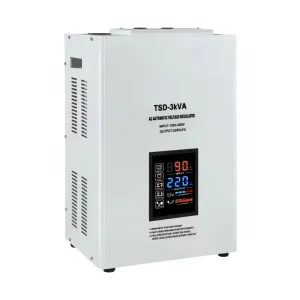
Integrated Switchgear, Transformers & Protection Assemblies
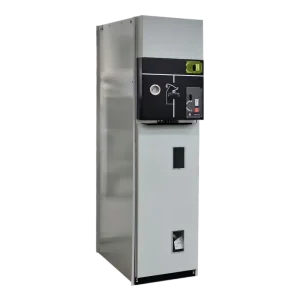
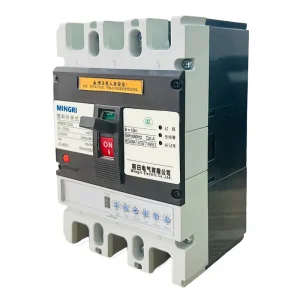
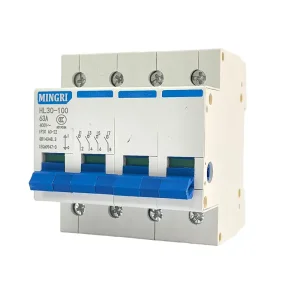
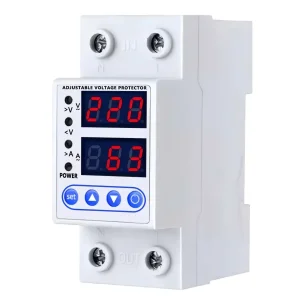
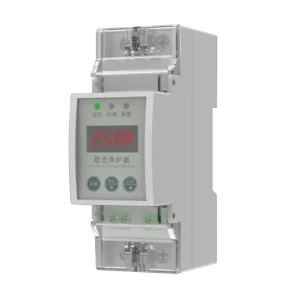
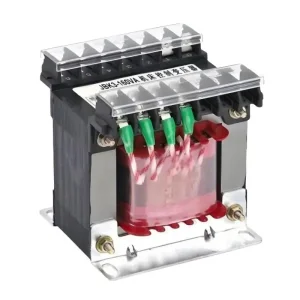
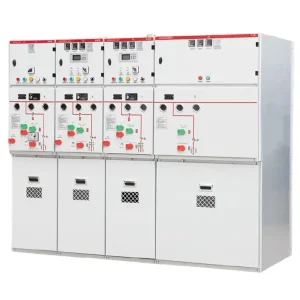
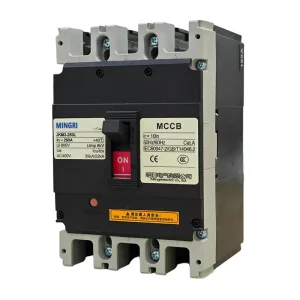
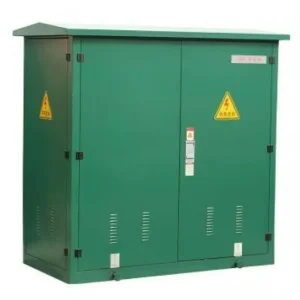
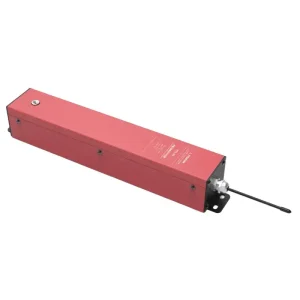
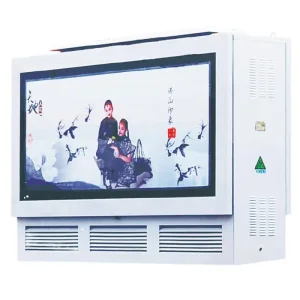
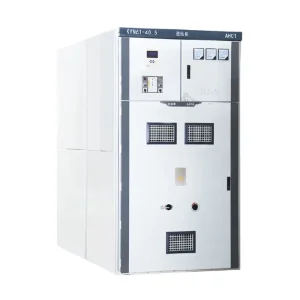
Heavy-duty, factory-tested distribution cabinets, safety modules, and power transformation units completing comprehensive grid and plant architectures.
Frequently Asked Questions on Industrial Switching Contactors
In-depth responses covering engineering topologies, selection methodology, manufacturing standards, and cross-border project delivery.