Sweden Project Ready: Primary Vacuum Circuit Breakers
Engineered for seamless integration into Swedish regional distribution grids (Vattenfall, E.ON, Ellevio) and heavy industrial substations requiring ruggedized vacuum switching.
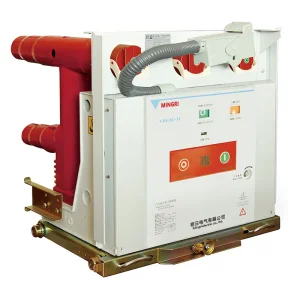
ODM MRVS1-12/24 Fixed-Type Indoor High Voltage Vacuum Circuit Breaker
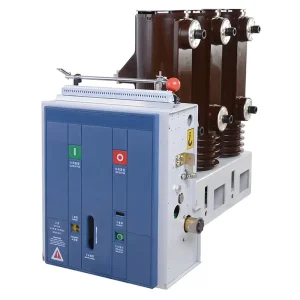
Wholesale VS1-12C Indoor High-Voltage Side-Mounted Vacuum Circuit Breaker
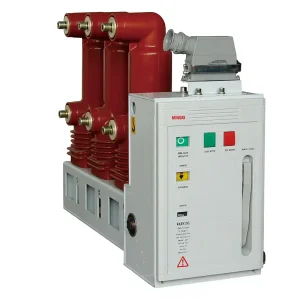
Wholesale VSB-12 Indoor High-Voltage Vacuum Circuit Breaker
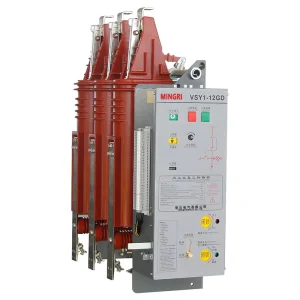
Wholesale VSY1-12GD Mounted Vacuum Circuit Current Breaker VCB
Sweden's Industrial Electrification & Grid Resiliency Pressures
Sweden stands at the vanguard of the global green industrial transition. With national legislative commitments to attain net-zero greenhouse gas emissions by 2045 and achieve 100% renewable electricity production, the country is undertaking an unprecedented expansion of its electrical transmission and distribution architecture. From the remote reaches of Norrbotten and Västerbotten to the urban clusters of Stockholm, Gothenburg, and Malmö, medium and high-voltage apparatus are subjected to operational conditions rarely encountered in continental Europe.
The Northern Sweden industrial transformation—spearheaded by landmark fossil-free steel initiatives such as HYBRIT in Luleå and Gällivare, Stegra (formerly H2 Green Steel) in Boden, alongside battery cell gigafactories—demands immense electrical capacity. Projections indicate regional electricity consumption could double within the next two decades. This meteoric rise requires robust 12 kV, 24 kV, and 36/40.5 kV vacuum circuit breakers (VCBs) capable of managing high continuous operating currents, extreme short-circuit fault levels up to 40 kA / 50 kA, and continuous switching of high-reactance electric arc furnaces (EAF) and massive electrolyzer loads.
Sub-Zero Arctic Operational Benchmark: Northern Swedish installations routinely endure winter ambient extremes plummeting below -35°C. Conventional SF6 switchgear suffers severe liquefaction and pressure drops under such arctic conditions. Modern embedded vacuum interrupters provide uncompromised dielectric recovery and contact velocity without external heating systems.
Furthermore, the high penetration of onshore wind generation across Swedish bidding zones SE1 and SE2 necessitates circuit breakers engineered specifically for high-frequency capacitive switching (Class C2 with minimal restrike probability), cable charging current interruption, and prolonged mechanical endurance (Class M2 ≥ 10,000 operations) to mitigate overvoltage spikes on extended rural feeder lines.
| Parametric Metric | Standard Continental Spec | Sweden / Nordic Heavy Duty |
|---|---|---|
| Ambient Low Temperature | -5°C / -15°C Class | -40°C Sub-Zero Verified |
| Environmental Medium | SF6 or Gas Mixtures | Hermetic Vacuum + Solid Dielectric |
| Mechanical Endurance | 2,000 Ops (Class M1) | ≥ 10,000 - 30,000 Ops (Class M2/E2) |
| Capacitive Switching | Class C1 (Standard) | Class C2 Low Restrike (Wind Parks) |
| Corrosion Resistance | ISO 12944 C2/C3 | ISO 12944 C4/C5 Coastal & Sub-Arctic |
| SCADA Interoperability | Proprietary Fieldbus | Native IEC 61850 Edition 2 (GOOSE/SV) |
Mandatory SF6 Phase-Out: Vacuum as the Nordic De Facto Standard
Stringent European Union decarbonization legislation has reshaped the medium and high-voltage procurement landscape across the Nordic region, accelerating the shift toward clean, non-GWP switching technologies.
Zero GWP & Non-Toxic Medium
Under the revised EU F-Gas Regulation (2024/573), medium-voltage installations up to 24 kV face outright bans on greenhouse gas-based dielectric switchgear starting 2026, extending to 145 kV by 2030–2032. Vacuum interrupters utilize high-vacuum chambers (10-5 to 10-7 Pa) with Global Warming Potential equal to zero (GWP = 0), entirely bypassing chemical handling certifications, gas recycling reporting, and leakage penalties.
- Elimination of toxic decomposition by-products (SOF2, HF)
- No mandatory Swedish EPA (Naturvårdsverket) gas auditing
Hermetic APG Solid Dielectric
Modern vacuum circuit breakers manufactured for the Nordic market utilize Automatic Pressure Gelation (APG) epoxy resin to cast vacuum interrupters directly inside pole assemblies. This protects the ceramic housing from environmental moisture, coastal saline air along Sweden’s extensive 3,200 km coastline, industrial dust, and condensation cycles during extreme seasonal shifts.
- Elimination of external flashover vulnerabilities
- Enhanced dielectric strength in ultra-compact panel dimensions
Ultra-Rapid Arc Extinction
Vacuum interrupters quench the electrical arc at the very first current zero. The specialized contact alloys (CuCr25 to CuCr50) generate either a diffuse transverse or axial magnetic field (AMF/TMF), preventing localized contact anode spots and enabling rapid dielectric recovery within microseconds, perfectly suited for rapid auto-reclosing (O-0.3s-CO-180s-CO cycles).
- Rated short-circuit duration up to 4 full seconds (4s)
- Minimal contact ablation over 50+ full fault interruptions
| Strategic Dimension | Legacy European Supply Chain | China Direct Strategic Partnership |
|---|---|---|
| Lead Time (Standard Orders) | 48 – 72 Weeks Backlog | 10 – 14 Weeks Delivered to Port |
| Custom Engineering Adaptability | Rigid Frame Configurations | Direct Tailoring for Retrofit Cubicles |
| CapEx Cost Structure | Premium Tier Overhead | 35% – 50% Reduction via Automation |
| Secondary Relay Integration | Proprietary Enclosed Ecosystems | Multi-Vendor Open Bus (ABB, Siemens, Schneider) |
| Type Testing Transparency | Legacy Heritage Certificates | Fresh KEMA / CESI / XIHARI Reports |
Resolving European Delivery Delays via Strategic OEM Partnerships
Swedish energy utilities, EPC contractors, and private distribution system operators (DSOs) confront unprecedented supply bottlenecks. As Svenska kraftnät initiates massive grid modernization programs and regional DSOs scramble to connect wind installations and data infrastructure, lead times from traditional European Tier-1 electrical equipment manufacturers have expanded drastically to 14–18 months.
This prolonged delay jeopardizes project commissioning milestones and imposes severe financial penalties under Swedish grid connection contracts. Leading Chinese high-voltage apparatus manufacturers provide an agile, highly automated alternative. By pairing massive production capacities in specialized high-voltage clusters (such as Yueqing and Wenzhou) with rigorous digital supply-chain traceability, certified VCB units are manufactured, fully routine tested, and shipped to Gothenburg or Stockholm ports in under 14 weeks.
Total Cost of Ownership (TCO) Impact: Lower initial CapEx combined with maintenance-free vacuum interrupters rated for 30 years eliminates gas replenishment checks, drastically reducing the Levelized Cost of Electricity (LCOE) for Swedish industrial balance-of-plant (BOP) facilities.
Crucially, high-tier Chinese manufacturers do not deliver "one-size-fits-all" hardware. They offer tailored withdrawable truck geometries, customized primary tulip contacts, and versatile secondary wiring harnesses compatible with Swedish legacy switchgear brands like ASEA, ABB (SafeSix, Uniswitch), and Siemens (NXAIR).
High-Voltage Vacuum Breaker Deployments Across Swedish Industries
From subterranean mining complexes in Kiruna to metropolitan district heating networks, our VCB units deliver uninterrupted system safety and operational continuity.
Fossil-Free Metallurgy & Heavy Mining
Mining operations in the Kiruna and Malmberget ore fields operate under stringent reliability mandates. Underground substations demand flameproof, explosion-resistant switchgear with zero toxic gas discharge. Our fixed and draw-out VCB models handle the violent cyclical harmonics and severe inrush currents generated by electric excavators, conveyor systems, and ball mills.
Arctic Wind Farms & Collector Substations
Massive wind energy clusters (such as Markbygden) face intense sub-zero wind chills and fluctuating power generation. Vacuum circuit breakers operating on 33 kV / 36 kV collector buses must withstand frequent capacitive cable-switching duties without restrike, avoiding dangerous overvoltages that destroy subterranean collector cable insulation.
Hyperscale Data Center Infrastructure
Global cloud providers locating across Sweden’s northern corridor require Tier III and Tier IV uptime. Vacuum circuit breakers integrated with rapid magnetic actuators achieve microsecond fault sensing and total clearing times under 45 ms, protecting mission-critical UPS systems and high-density compute server trains from grid disturbances.
Urban Substation Brownfield Retrofits
Metropolitan utilities in Stockholm (Stockholm Exergi, Ellevio) and Gothenburg encounter spatial constraints when decommissioning obsolete oil or SF6 switchgear. Our custom roll-in withdrawable VCB cassettes allow drop-in replacement into legacy switchgear housings without requiring structural switchgear room overhauls or busbar realignment.
Swedish & European Standards Conformity
Entering the Nordic electrical market requires total alignment with European Committee for Electrotechnical Standardization (CENELEC) directives, Swedish national standards (SS-EN), and the technical guidelines established by Elsäkerhetsverket (The Swedish National Electrical Safety Board).
Exported vacuum circuit breakers undergo exhaustive type testing in ISO/IEC 17025 accredited laboratories—including KEMA Laboratories (Netherlands), CESI (Italy), or XIHARI. Every unit delivered to Sweden is issued with complete documentation dossiers, including routine test certificates, primary resistance measurements, timing signatures, and power frequency withstand voltage records.
C5 Marine & Industrial Corrosion Treatment: Operating chassis components undergo multi-stage electro-galvanization and powder coating tested to survive 1,000+ hours of neutral salt spray (ASTM B117), preventing galvanic corrosion in Sweden’s coastal and heavy pulp-and-paper plant environments.
For smart substation deployment, control wiring and auxiliary switches integrate seamlessly with digital substation architectures adhering to IEC 61850-8-1 (MMS & GOOSE) and IEC 61850-9-2 Sampled Values, ensuring bi-directional telemetry with ABB Relion® or Siemens SIPROTEC protection relays.
Essential Harmonized Certifications
Comprehensive documentation and certification packs supplied with every batch shipped to Sweden:
- SS-EN 62271-100: High-voltage alternating-current circuit-breakers
- SS-EN 62271-1: Common specifications for high-voltage switchgear
- SS-EN 62271-200: AC metal-enclosed switchgear for 1 kV to 52 kV
- CE Conformity & LVD: Directives 2014/35/EU and 2014/30/EU
- RoHS & REACH: Strict elimination of lead, cadmium, and hazardous plasticizers
- ISO 9001, 14001, 45001: Certified environmental and occupational safety
Technology Roadmap: The Next Era of Vacuum Interruption
Continuous R&D investments are driving vacuum interruption technology into higher voltage tiers, digital intelligence, and solid-state kinetic actuation.
Ultra-Purity Contact Metallurgy
Synthesis of refined CuCr50 contacts through vacuum induction melting (VIM), reducing residual gas content to < 10 ppm and eliminating micro-welding during 50 kA short-circuit closing operations.
Permanent Magnetic Actuators (PMA)
Transition from spring mechanisms to dual-coil permanent magnetic actuators, slashing moving mechanical components by 65% and delivering maintenance-free lifespans extending past 100,000 cycles.
72.5 kV – 145 kV Single-Break
Scaling vacuum interrupters into sub-transmission voltage domains, eliminating SF6 gas circuit breakers entirely from 72.5 kV / 145 kV wind farm collector substations across Scandinavia.
Predictive Health Digital Twins
Integrated electromagnetic acoustic emission sensors and Hall-effect travel probes to stream real-time contact erosion, vacuum integrity, and mechanical velocity directly to central SCADA systems.
Integrated Switchgear, Transformers & Protection Apparatus
Full suite of electrical transmission, conversion, and circuit protection devices built to complement our core vacuum circuit breaker portfolio in Swedish distribution networks.
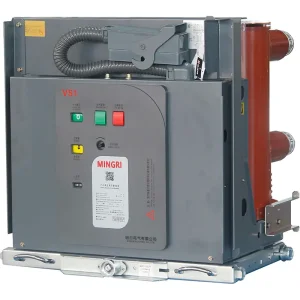
Wholesale VS1-12/24 Withdrawable Indoor High Voltage Vacuum Circuit Breaker
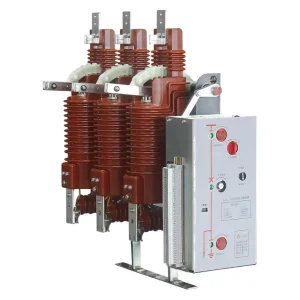
ODM VSY2-12GD Miniaturized Three-Position High Voltage Vacuum Circuit Breaker
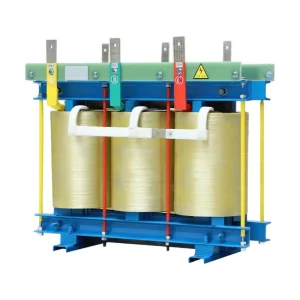
OEM SG(B)10 Type 10kV Non-encapsulated Coil Dry Type Transformer
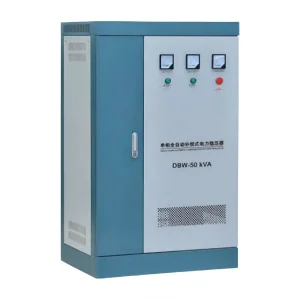
Wholesale DBW Single Phase Compensated Power Voltage Regulator
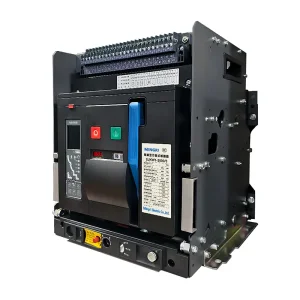
China SJKW1-2000 Intelligent Universal Air Circuit Breaker
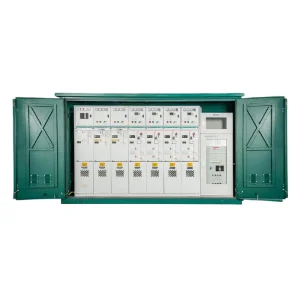
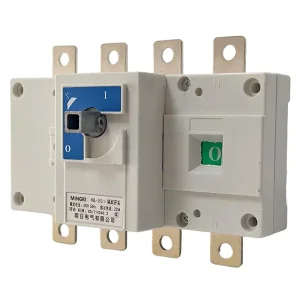
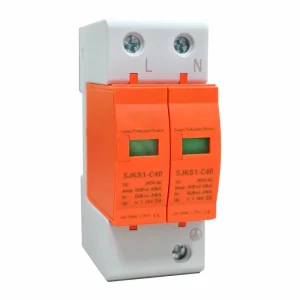
ODM SJKS1-C Series Surge Protection Device SPD 3/4P 25kA
Frequently Asked Questions for Swedish Engineering Buyers
Expert answers concerning technical specification, sub-zero certification, logistical delivery, and relay integration for Nordic electrical projects.
Our Nordic-export units utilize specialized low-temperature aviation-grade fluorosilicone damping grease and synthetic perfluoropolyether (PFPE) lubricants rated to -55°C across all mechanical bearings, trip latches, and spring linkages. Spring steels undergo cryogenic stress-relieving heat treatments to avoid embrittlement, and secondary trip coils are wound with H-class enamels ensuring snappy opening times (≤ 35 ms) even during sustained arctic freezes without auxiliary heating.
Yes. All circuit breakers supplied to the Swedish market are type-tested according to the latest SS-EN 62271-100 and SS-EN 62271-1 harmonized standards. Full testing certificates cover basic short-circuit making and breaking duties, capacitive switching (Class C2), mechanical endurance (Class M2 ≥ 10,000 cycles), and temperature-rise limits at rated currents from 630 A up to 4000 A. Reports from KEMA, CESI, or accredited national labs are provided during tender submittals.
Yes. We engineer customized withdrawable trucks with exact primary contact centers, phase pitch (150 mm, 210 mm, 275 mm), tulip cluster diameters, and interlocking racking mechanics to replace obsolete oil-minimum breakers (e.g., ASEA HKK/HLC series) or legacy vacuum units inside older ABB, Siemens, or Calor Emag cubicles. This circumvents high-cost civil redesigns and shortens facility outage schedules.
While major European apparatus vendors quote 50 to 75 weeks due to production capacity constraints, our precision manufacturing base operates vertically integrated component facilities—from vacuum interrupter brazing to robotic pole embedding. Standard VCB builds are fulfilled in 4 to 6 weeks, followed by express ocean freight directly to the Port of Gothenburg (typically 30–35 days transit), achieving total delivery times of 10 to 14 weeks from drawing freeze.
The hermetically sealed vacuum interrupter bottle has a design shelf life exceeding 30 years with an annual vacuum leakage rate < 1×10⁻⁹ mbar·l/s. Under standard operation, the vacuum bottle requires zero physical maintenance. Routine site servicing is limited to periodic inspection, lubrication of the mechanical operating linkage every 2,000–5,000 cycles, and verification of contact stroke wear via external visual wear-gap indicators.
Absolutely. Our auxiliary wiring harnesses are terminated on heavy-duty WAGO or Phoenix Contact rail blocks adhering to standard European pinouts (24-pin, 32-pin, or 64-pin Harting plugs). They interface out-of-the-box with ABB Relion 650/670 series, Siemens SIPROTEC 5, and Schneider Electric MiCOM protection IEDs, supporting 110V/220V DC and 230V AC control schemes with complete anti-pumping protection.
Ready to Accelerate Your Swedish Grid or Industrial Power Project?
Connect directly with our senior medium and high-voltage application engineers. We provide comprehensive single-line diagram (SLD) reviews, retrofit dimensional evaluations, type test documentation, and competitive factory-direct quotations.
Send Inquiry Now