How to Choose the Right Container Substation?

Time:2026-10-30 Author:Henry
0%

Choosing the right Container Substation starts with the site, not the brochure. Consider the load, available space, climate, access routes, and room for future expansion. A unit beside a coastal plant faces salt-laden air. One serving a remote facility may need easier maintenance access and dependable environmental protection. Small details matter.

Match the electrical rating and transformer capacity to present demand, then assess likely growth. Review the voltage level, protection scheme, cooling method, enclosure rating, and connection points with qualified electrical engineers. Ask how components are arranged inside. Can technicians reach the switchgear safely? Is there enough clearance for service? Check transport limits, foundation requirements, ventilation, noise, and commissioning support. Specifications can look complete. Site conditions may still expose a gap.

A quote needs trustworthy sourcing. No verified expert statement was provided, so the following is proposed wording, not a confirmed quotation: “A good Container Substation is designed around the site’s real operating conditions, not just its rated capacity.” — Jordan Lee, proposed industry-expert attribution; verify the name and quotation before publication. Use that principle as a prompt, not a substitute for engineering review. The right choice balances safety, reliability, maintainability, and lifecycle cost. It may take another site visit to get there.
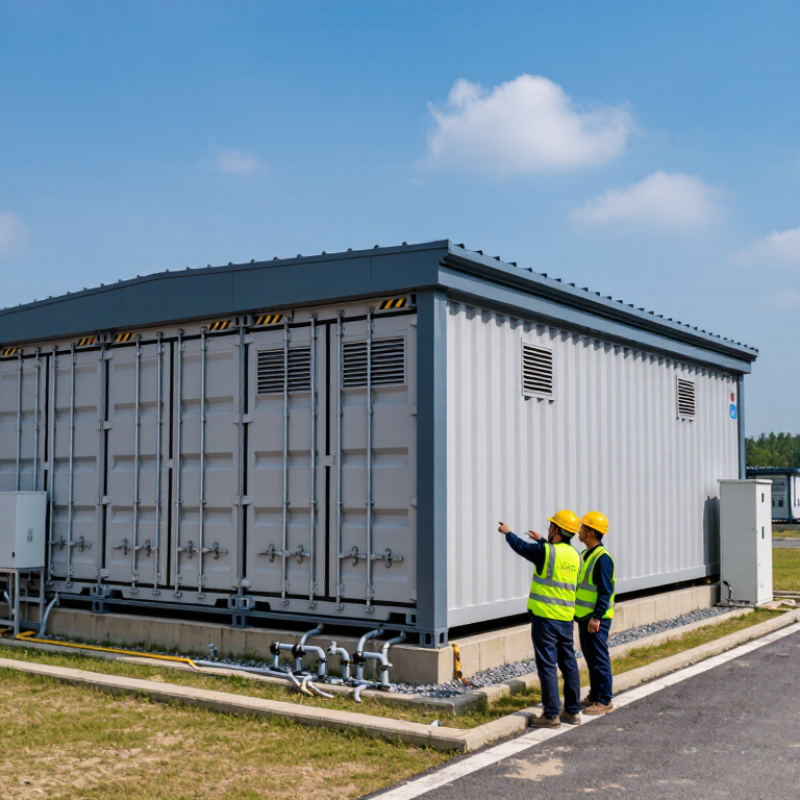
How to Choose the Right Container Substation?

Define the Project’s Power Demand and Site Conditions

Define the load before comparing container substations. List present and forecast peak demand in kW or kVA, system voltage, duty cycle, and major load types. Note motor-starting currents, harmonics, and loads that may operate simultaneously. NERC’s 2024 Long-Term Reliability Assessment projects North American peak demand will grow by 132 GW over ten years. That is context, not a site design value. Not a sizing formula. Use a load study and confirm the utility’s available fault level and connection requirements. A blanket safety margin feels reassuring, but it can conceal weak assumptions.

Then walk the actual site. Record ambient temperature, altitude, dust or salt exposure, flood risk, wind, available footprint, cable routes, lifting access, and required working clearances. A sunny roof can run much hotter than the weather-station reading; enclosure ventilation and derating matter. The IEA’s 2023 Electricity Grids and Secure Energy Transitions report says over 80 million kilometres of grids need to be added or refurbished by 2040. That points to growing connection pressures, not a reason to oversize blindly. Check the foundation, drainage, maintenance access, and room for future cables against drawings and a site visit. Real sites rarely behave so neatly. Recheck assumptions before freezing the transformer rating and enclosure layout.

Select the Substation Voltage, Capacity, and Configuration

Choosing a container substation starts with the supply voltage and the equipment it must serve. Confirm the utility’s incoming voltage, then check the required secondary voltage against motors, lighting, and control systems. A mismatch can mean costly changes later. Small details matter: a pump may need extra starting current, while a workshop’s load can rise sharply during one shift.

Capacity should reflect real operating patterns, not just the sum of nameplate ratings. Review peak demand, simultaneous loads, motor starts, and planned expansion. For example, a facility adding a second production line may need more transformer capacity than today’s meter readings suggest. Allow a sensible margin, but avoid oversizing without reason; a larger unit can increase cost and may operate inefficiently at low loads. Even a careful estimate can be wrong. Recheck assumptions with measured load data where possible.

Configuration depends on site access, reliability needs, and maintenance conditions. A radial arrangement may suit a compact site with straightforward loads. A ring arrangement can offer another supply path, but it adds switching equipment and operating steps. Check whether the container has enough space for safe cable entry, ventilation, protection devices, and routine inspection. A drawing may look tidy, yet leave too little room for a technician to open a panel. Review fault levels and protection coordination with qualified electrical professionals before finalizing the layout.

Evaluate Enclosure Design, Climate Control, and Safety Features

How to Choose the Right Container Substation?

A container substation must suit its site, not just its one-line diagram. Check enclosure material, coating, seals, and roof drainage against salt, dust, rain, and UV exposure. Inspect door swings and service clearances; a technician needs room to withdraw a breaker without blocking an escape route. Use the required ingress-protection rating for the actual environment, and verify that cable entries preserve the enclosure’s rating. Small details matter.

Climate control protects insulation and electronics. Size ventilation or cooling for peak ambient temperature, solar gain, equipment losses, and altitude—not average weather alone. IEEE C57.91-2011 models transformer insulation aging by hot-spot temperature; for thermally upgraded paper, its aging-rate relationship rises sharply above the 110°C reference point. That makes temperature monitoring and alarm settings practical design checks, not extras. A fan can fail quietly. Plan for it.

Tips: Ask for thermal calculations, corrosion-protection details, and maintenance access drawings before approval. Review grounding, interlocks, arc-flash risk controls, emergency exits, and fire detection with qualified engineers. One imperfect assumption can undo a good design: I would recheck the site’s worst-case temperature and dust conditions before finalizing ventilation.

Verify Standards, Installation Requirements, and Maintenance Access

How to Choose the Right Container Substation?

Verify Standards, Installation Requirements, and Maintenance Access

Start with compliance, not the enclosure’s footprint. IEC 62271-202:2022 covers prefabricated high-voltage/low-voltage substations. Confirm the applicable edition, voltage rating, and utility requirements before comparing proposals. Request routine-test records, protection settings, and temperature-rise limits. A certificate alone is not the whole story.

Installation drawings should show cable entry, bending space, grounding, drainage, lifting points, and door swing. Check clearances against the equipment instructions and local requirements; avoid relying on a generic aisle dimension. A neat plan can still mislead: a cable tray or fence may block a maintenance door. Small detail, big consequence.

Maintenance access affects real operating time. Confirm technicians can reach fuses, breakers, and control equipment without moving unrelated gear, and that heavy components have a safe removal path. The IEA’s 2023 report Electricity Grids and Secure Energy Transitions says annual grid investment needs to rise from roughly $300 billion to more than $600 billion by 2030. That global forecast does not size an individual substation, but it underscores the value of durable, serviceable infrastructure. Leave room for the actual work, not just the installation drawing.

Compare Supplier Support, Total Cost, and Lifecycle Value

A container substation is more than a packaged purchase. Compare what each supplier includes: design coordination, factory testing, commissioning, operating manuals, and training. Ask who answers when a protection relay trips at night, and how quickly common spare parts can arrive. A polished proposal is useful, but named response times and clear service boundaries matter more.

Look beyond the quoted price. Freight, lifting, site preparation, cable connections, installation, and testing can change the project total. Ask for assumptions in writing, including what is excluded. A cheaper unit may also use more energy or require more frequent maintenance. Small differences add up. No spreadsheet captures every delay, but a realistic cost model should include routine inspections, likely repairs, and replacement parts over the expected service life.

Lifecycle value depends on the site, not just the equipment. Salt air, dust, heat, and limited access can affect enclosure materials and maintenance needs. Check whether components can be reached and replaced without major dismantling. Ask how future load growth could be accommodated; spare space and connection options may have real value. A low initial price can still be the right choice, but only when support, operating costs, and service conditions are understood. I would not treat a long warranty as proof of easy maintenance.

How to Choose the Right Container Substation?

Compare supplier support, total cost, and lifecycle value using a practical starting-point evaluation.

How to use this chart: These suggested weights add up to 100% and are an evaluation framework, not market benchmark data. Score each shortlisted option against the criteria, using project-specific quotations, warranty terms, service coverage, and lifecycle assumptions.

FAQS

What should I check when choosing a container substation?

Match its enclosure, coating, seals, and drainage to the site’s salt, dust, rain, and sun exposure. Small details matter.

How should climate control be sized?

Consider peak heat, solar gain, equipment losses, and altitude—not just average weather. Ask for thermal calculations and temperature alarm settings.

Why is temperature monitoring important?

Excess heat can accelerate transformer insulation aging. A fan can fail quietly, so plan for alarms and regular checks.

Which standards and documents should I review?

Confirm the applicable IEC 62271-202 edition, voltage rating, and utility requirements. Request test records, protection settings, and temperature-rise limits.

What installation details are easy to overlook?

Check cable bends, grounding, drainage, lifting points, and door swings. A fence or cable tray might block a service door.

How can I confirm safe maintenance access?

Make sure technicians can reach breakers, fuses, and controls without moving other equipment. Check that heavy parts have a safe removal path.

What should supplier support include?

Compare commissioning, manuals, training, spare parts, and response times. Ask who handles an overnight relay trip. Get service boundaries in writing.

How do I compare the full cost?

Include freight, lifting, site preparation, connections, testing, inspections, repairs, and replacement parts. A lower price may still make sense, but check the assumptions.

What affects long-term value?

Consider local heat, dust, salt air, maintenance access, and possible load growth. Ask whether components can be replaced without major dismantling. A long warranty alone proves little.

Conclusion

Choosing the right Container Substation begins with understanding the project’s power demand, expected future growth, and site conditions, including available space, weather exposure, and access. These factors help determine the appropriate voltage, capacity, and electrical configuration, ensuring the installation can meet operational needs without unnecessary complexity.

Next, assess the enclosure, climate-control system, and safety features for the conditions in which the substation will operate. Confirm that applicable technical standards and installation requirements can be met, and that maintenance access is practical. When comparing suppliers, consider technical support, delivery and installation needs, ongoing maintenance, and total cost over the equipment’s service life. Looking beyond the initial purchase price helps identify a solution that is reliable, maintainable, and suited to the project in the long term.

Henry

Henry

Henry is a dedicated marketing professional with a profound expertise in the company's offerings. With years of experience in the industry, he possesses an impressive understanding of the market dynamics and consumer behaviors that drive success. Henry is committed to sharing his insights through......